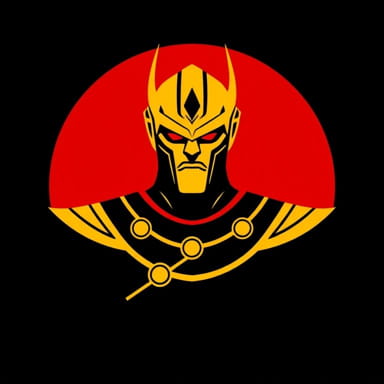
Emperor Ming is one of the most iconic villains in science fiction cinema, particularly known for his role in the 1980 film Flash Gordon.” His character embodies tyranny, extravagance, and unrelenting power, making him a memorable antagonist whose presence drives much of the story’s conflict. The visual design, theatrical performance, and narrative importance of Emperor Ming have cemented him as a symbol of villainy in popular culture. Understanding Ming’s character, motivations, and influence in “Flash Gordon” provides insight into how villains are crafted to captivate audiences and enhance the hero’s journey. This exploration will delve into Ming’s role, characterization, and the impact he has on the film and its viewers.
Introduction to Emperor Ming
Emperor Ming, also known as Ming the Merciless, is the ruler of the planet Mongo, a vast and dangerous world with diverse environments and inhabitants. From the beginning of “Flash Gordon,” Ming is portrayed as a formidable and ruthless leader, instilling fear across his domain. His motivations are often driven by a desire for absolute power, control over Earth, and the eradication of those who oppose him. Ming’s character serves as a foil to Flash Gordon, the heroic protagonist, emphasizing the classic struggle between good and evil that defines the film’s narrative. The visual and thematic representation of Ming underscores his role as a symbol of tyranny and corruption.
Visual and Theatrical Design
The design of Emperor Ming is one of the most striking aspects of his characterization. With elaborate costumes, dramatic makeup, and a commanding presence, Ming is instantly recognizable. The costume design emphasizes his otherworldly status, combining regal elements with intimidating features such as flowing robes, elaborate collars, and sharp, angular lines. His makeup accentuates a sinister and authoritarian appearance, highlighting his merciless nature. The theatrical performance by actor Max von Sydow brings depth to the character, blending menace, sophistication, and theatricality in a way that captivates the audience. This combination of visual spectacle and performance art makes Ming one of the most memorable villains in science fiction cinema.
Ming’s Role in the Story
In “Flash Gordon,” Emperor Ming is the central antagonist whose actions propel the narrative forward. He threatens Earth with destruction, demonstrating the extreme danger he poses and setting the stakes high for Flash Gordon and his allies. Ming’s machinations create a sense of urgency and tension throughout the film, as Flash must navigate both the perils of Mongo and the schemes of the emperor. The struggle against Ming also serves as a narrative device to showcase Flash’s heroism, ingenuity, and bravery. By crafting a villain of such magnitude, the story emphasizes the courage required to confront evil and restore balance to the universe.
Interactions with Other Characters
Emperor Ming’s interactions with other characters in “Flash Gordon” highlight his manipulative and authoritarian nature. He commands loyalty through fear, often punishing or threatening those who defy him. His relationship with Princess Aura, his daughter, adds complexity to his character, revealing a more personal and calculating side to his otherwise ruthless persona. Ming’s confrontations with Flash Gordon and his allies illustrate the clash of morality and ethics, as Flash embodies justice and courage while Ming represents tyranny and selfish ambition. These interactions enhance the narrative tension and deepen the audience’s understanding of Ming’s influence over Mongo and beyond.
Ming as a Symbol of Villainy
Emperor Ming’s character functions not only as a narrative antagonist but also as a symbol of absolute power and corruption. His actions reflect themes of oppression, greed, and the abuse of authority, making him a cautionary figure. The visual extravagance of his character, combined with his ruthless behavior, creates a larger-than-life representation of evil. Ming’s portrayal demonstrates how villains in cinema often embody exaggerated traits to evoke strong emotional responses from the audience. By dramatizing the extremes of villainy, “Flash Gordon” underscores the heroic qualities of its protagonist while providing a memorable and impactful antagonist.
Cultural Impact and Legacy
Since the release of “Flash Gordon,” Emperor Ming has left a lasting impact on popular culture. The character has been referenced, parodied, and celebrated in various media, from comics to television and beyond. Ming’s distinctive look, memorable lines, and commanding presence have contributed to his enduring recognition as one of science fiction’s most iconic villains. The legacy of Emperor Ming also highlights the importance of strong antagonists in storytelling, showing how a compelling villain can elevate the narrative and create lasting engagement with audiences.
The Hero vs. Villain Dynamic
The conflict between Flash Gordon and Emperor Ming exemplifies the classic hero versus villain dynamic. Flash represents courage, resilience, and moral integrity, while Ming embodies oppression, fear, and selfish ambition. This dichotomy drives the plot and provides a framework for action, adventure, and character development. The hero-villain relationship emphasizes the stakes of the story and enhances the audience’s emotional investment, making every confrontation with Ming more intense and meaningful. Through this dynamic, viewers experience the tension, excitement, and moral clarity that define “Flash Gordon” as a quintessential science fiction adventure.
Lessons from Emperor Ming
Emperor Ming’s character offers lessons about the nature of power, responsibility, and the consequences of tyranny. His unrelenting quest for control serves as a warning against the dangers of unchecked authority and moral corruption. Additionally, Ming’s interactions with heroes and subordinates illustrate the impact of fear-based leadership versus respect-based leadership. For audiences, observing Ming’s rise and eventual challenges provides insight into human behavior, ethics, and the importance of standing against injustice. Dramatizing such a character reinforces the timeless narrative that good must confront evil, and courage is essential in the face of overwhelming power.
Emperor Ming in “Flash Gordon” remains a landmark example of villainy in science fiction cinema. His visual design, theatrical performance, and narrative significance make him an unforgettable antagonist whose presence drives the story and challenges the hero. Through Ming, the film explores themes of power, tyranny, and morality, while offering audiences a dramatic and engaging depiction of conflict between good and evil. The legacy of Emperor Ming continues to influence portrayals of villains in film and television, reminding viewers of the enduring impact a well-crafted antagonist can have on storytelling and popular culture. By examining Ming’s character, interactions, and symbolic significance, audiences gain a deeper appreciation for the artistry and narrative power that define “Flash Gordon.”