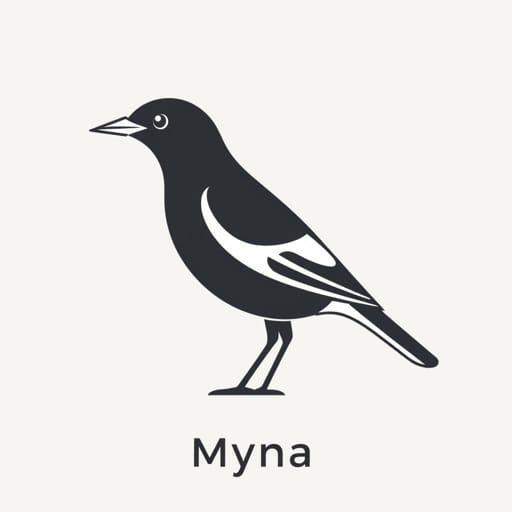
The myna bird is a familiar presence in many parts of South and Southeast Asia, easily recognized by its distinct calls and confident demeanor. In English, it is often simply called the ‘myna’ or ‘mynah,’ a name derived from the Hindi word ‘mainā’ (मैना). These birds are known not only for their striking appearance but also for their surprising ability to mimic human speech, making them popular among bird enthusiasts. The English name of myna encapsulates more than just its identity it reflects cultural ties, biological classification, and practical uses in both wild and domestic settings.
Understanding the English Name of Myna
The English name ‘myna’ refers to several species within the starling family (Sturnidae). They are passerine birds, which means they belong to the order Passeriformes, commonly known as perching birds. The name ‘myna’ or ‘mynah’ is often used interchangeably, though ‘myna’ is more commonly accepted in scientific and modern usage.
Scientific Classification
- Family: Sturnidae
- Genus: Acridotheres, Gracula, and others
- Common Species:
- Common Myna (Acridotheres tristis)
- Bank Myna (Acridotheres ginginianus)
- Hill Myna (Gracula religiosa)
- Jungle Myna (Acridotheres fuscus)
Each species under the umbrella term ‘myna’ has its own traits, but they all share a loud, often musical call and a robust body with a slightly curved beak. The Hill Myna, for instance, is particularly famous for its vocal abilities and is often seen in captivity due to this unique trait.
Common Names in English
In English, different types of myna birds are referred to using descriptive terms based on their physical traits or native habitats. Here are some of the most widely recognized names:
- Common Myna: Known for its adaptability to urban environments, brown body, yellow legs, and bright eye patch.
- Hill Myna: Renowned for its glossy black feathers, bright yellow wattles, and excellent mimicry skills.
- Bank Myna: Smaller and grayer than the common myna, with a red patch of skin behind the eyes.
- Jungle Myna: Slightly shyer, found in more forested areas, with darker plumage and a tuft on the head.
These names help differentiate species in various English-speaking regions and support their identification in birdwatching guides, pet trade listings, and academic research.
The Myna in Daily English Usage
When English speakers refer to a ‘myna bird,’ they are typically speaking about the common myna unless otherwise specified. In casual contexts, people may simply say myna or talking bird when referring to pet varieties that can mimic speech. The bird’s popularity in English-language media, stories, and educational materials also helps preserve and promote its name.
Spelling Variations
There are two primary spelling variations in English:
- Myna: Preferred in modern scientific writing and English usage.
- Mynah: An older or alternative spelling, still seen in some books or topics.
Both forms are understood to mean the same bird, though ‘myna’ is more widely adopted today, particularly in online searches and international references.
Symbolism and Cultural Meaning
The English name of myna goes beyond taxonomy and ornithology it carries symbolic value in many cultures. In literature and folklore, mynas are often symbols of communication and adaptability. Their ability to mimic human voices has given rise to numerous legends and anecdotes about birds conveying messages or warnings.
In English-speaking literature, mynas sometimes represent intelligence or unexpected insight, much like parrots. Their voice-like calls and apparent attentiveness add a sense of mystery and charm. Their presence in gardens and cities also makes them common subjects in poetry and stories involving nature and coexistence.
English Name of Myna in the Pet Trade
In the world of pet birds, the Hill Myna is the most highly valued due to its speaking abilities. Pet stores, aviaries, and breeders list it under names like:
- Talking Myna
- Hill Myna Bird
- Pet Myna
- Black Myna (colloquially)
These English terms are used in catalogs, veterinary resources, and online forums. Owners often describe their birds as friendly, curious, and talkative qualities that enhance their appeal across English-speaking regions.
Regional Recognition in English
The English name of myna is also used widely in countries like India, Pakistan, Bangladesh, Sri Lanka, and parts of Africa and Australia. In these regions, English is often a second language, and local names for the myna coexist with the English term. For instance, in India, people might refer to the bird as ‘mainā’ in Hindi but switch to ‘myna’ in English conversations or texts.
This cross-linguistic flexibility helps the term ‘myna’ remain relevant across cultures. English newspapers, wildlife documentaries, and education systems in these areas regularly refer to the bird using its English name, further reinforcing its recognition.
How Learners Use the English Name ‘Myna’
For language learners, the word ‘myna’ is an easy and useful vocabulary item. It’s phonetically simple, culturally familiar in many regions, and commonly appears in elementary English textbooks and translation dictionaries. Learners often encounter the bird in sentence structures such as:
- The myna is singing loudly.
- I saw a myna near the temple.
- My uncle has a pet myna that talks.
These sentences help learners connect English vocabulary with real-world references. Using animal names in learning materials also helps bridge linguistic and cultural gaps effectively.
The English name of myna serves as both a scientific label and a cultural bridge, linking nature, language, and human experience. From city streets to tropical jungles, mynas remain visible and audible reminders of the biodiversity surrounding us. Whether referred to as the Common Myna, Hill Myna, or simply ‘the talking bird,’ this creature holds a unique place in English vocabulary. Its name, simple yet rich in context, is a perfect example of how language and nature intertwine in meaningful ways.