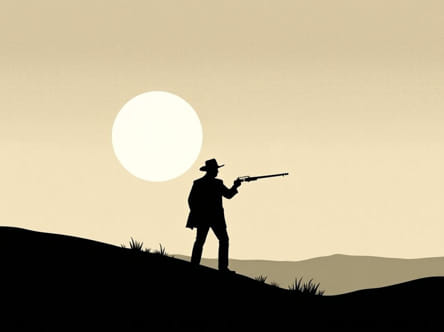
Ennio Morricone’s score for A Fistful of Dollars is a landmark in the history of film music, exemplifying the power of sound to shape mood, define characters, and elevate cinematic storytelling. Released in 1964, this spaghetti western directed by Sergio Leone became iconic not only for its stylistic visuals but also for its groundbreaking music, which Morricone crafted to complement the tense, dramatic, and often gritty atmosphere of the film. The soundtrack blends unconventional instruments, haunting melodies, and innovative arrangements to create a soundscape that is instantly recognizable and emotionally compelling. Morricone’s work on A Fistful of Dollars helped redefine the role of music in westerns, establishing him as one of the most influential composers of the 20th century and cementing the film’s place in cinematic history.
About Ennio Morricone
Ennio Morricone, born in Rome in 1928, was a prolific composer whose career spanned over six decades. Renowned for his versatility, Morricone composed music for over 500 films and television productions, covering a wide range of genres from westerns to thrillers to romantic dramas. His signature style often incorporated experimental sounds, classical orchestration, and unique instrumentation, resulting in scores that were as memorable as the films themselves. Morricone’s work on A Fistful of Dollars showcased his innovative approach, blending traditional western motifs with modern musical techniques to create an entirely new auditory experience.
Key highlights of Morricone’s career include
- Scoring over 500 film and television projects
- Winning multiple awards, including Academy Awards and Golden Globes
- Influencing generations of film composers with innovative techniques
- Developing a distinctive style that blended classical, experimental, and popular music
The Making of A Fistful of Dollars Score
When creating the score for A Fistful of Dollars, Morricone approached the project with a focus on atmosphere and character. Rather than relying solely on traditional western orchestration, he introduced unconventional instruments such as electric guitars, whistles, harmonicas, and percussive effects. These elements contributed to the tense and often ominous mood of the film, highlighting the moral ambiguity of its characters and the stark landscapes in which the story unfolds. Morricone’s music interacts dynamically with the visuals, punctuating moments of suspense, action, and drama.
Musical Techniques and Innovations
- Use of non-traditional instruments for a western score
- Layering of sounds to create tension and atmosphere
- Thematic motifs that represent characters or situations
- Integration of silence and minimalism to heighten dramatic impact
These techniques allowed Morricone to craft a score that was not only distinctive but also narratively powerful, enhancing the storytelling and emotional depth of the film.
Signature Themes and Tracks
Several themes in A Fistful of Dollars stand out for their memorability and emotional resonance. The main theme, often associated with the enigmatic protagonist played by Clint Eastwood, features a haunting whistle and a bold, rhythmic motif that instantly signals tension and anticipation. Other tracks incorporate dramatic percussion, harmonic textures, and dissonant effects to underline the film’s suspenseful and often violent scenes. Each piece in the score is carefully crafted to support the narrative, making the music inseparable from the cinematic experience.
Notable elements of the soundtrack include
- The main theme with its iconic whistling and guitar motifs
- Percussive effects that heighten tension during gunfights
- Atmospheric tracks that evoke the barren landscapes of the American West
- Use of repetition and variation to reinforce character identity and emotional tone
Impact on Film Music and Westerns
Morricone’s work on A Fistful of Dollars had a profound impact on film scoring, particularly within the western genre. Traditionally, westerns featured lush, orchestral music reminiscent of Hollywood classics. Morricone’s approach, however, introduced a raw, modern, and experimental sound that complemented the gritty realism and stylistic boldness of Sergio Leone’s filmmaking. This score influenced countless composers and helped establish the spaghetti western as a unique and enduring genre in its own right.
Key impacts include
- Revolutionizing the sound of western films with unconventional instrumentation
- Establishing musical motifs as a narrative tool for character and tension
- Influencing later film composers to experiment with non-traditional sounds
- Contributing to the enduring popularity of the spaghetti western genre
Reception and Legacy
Upon its release, the score for A Fistful of Dollars received critical acclaim for its originality, effectiveness, and emotional impact. Musicians and audiences alike praised Morricone’s ability to create music that was both innovative and accessible. Over the decades, the soundtrack has become iconic, frequently referenced, sampled, and celebrated in popular culture. Its influence extends beyond film music, inspiring artists across genres and demonstrating the power of a well-crafted score to define a cinematic work.
Highlights of its legacy include
- Iconic status within both film and music communities
- Continued performances and recordings by orchestras worldwide
- Recognition of Morricone’s innovative approach to film scoring
- Enduring influence on modern composers and sound designers
Performance and Interpretation
Performances of A Fistful of Dollars score in concert settings reveal the intricate craftsmanship and dramatic impact of Morricone’s music. Orchestras often highlight the interplay between traditional instruments and unconventional elements, recreating the suspense, drama, and emotional tension of the film. Conductors and musicians interpret the score with attention to dynamics, timing, and phrasing, ensuring that the music communicates the same intensity and atmosphere as it does on screen.
Performance Considerations
- Balancing unconventional sounds with orchestral elements
- Emphasizing dynamic contrasts to reflect cinematic tension
- Maintaining rhythmic precision in action-driven tracks
- Highlighting thematic motifs to reinforce narrative connections
Ennio Morricone’s score for A Fistful of Dollars stands as a testament to the transformative power of music in film. Through innovative instrumentation, memorable themes, and dramatic pacing, Morricone created a soundtrack that elevates the visual storytelling, defines characters, and shapes the emotional experience of the audience. Its influence on film music, particularly within the western genre, is profound, setting a new standard for creativity, originality, and expressive depth. More than half a century after its release, the score remains iconic, continuing to inspire composers, performers, and film enthusiasts around the world. A Fistful of Dollars and its music exemplify how a perfect marriage of sound and cinema can leave a lasting cultural and artistic legacy.