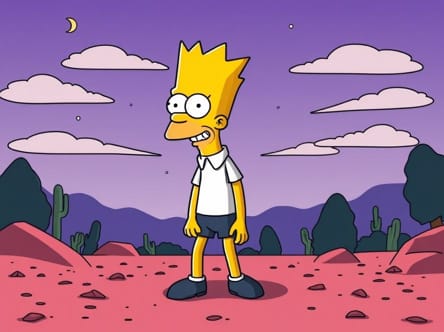
One of the most memorable recurring characters inThe Simpsonsuniverse is Sideshow Bob, the once-beloved sidekick of Krusty the Clown turned criminal mastermind. Over the years, his obsession with killing Bart Simpson has become a running theme throughout the series. Among all his appearances, there is one episode that stands out for finally realizing what fans had long anticipated: the episode where Sideshow Bob kills Bart. Although the death doesn’t last permanently, the episode explores dark humor, psychological drama, and the long-standing rivalry in an unexpectedly intense way.
Background of Sideshow Bob’s Character
Sideshow Bob, whose real name is Robert Underdunk Terwilliger, has appeared in many episodes ofThe Simpsonssince his first appearance in Season 1. Known for his refined tastes, deep voice, and sinister intellect, Bob is a character who contrasts sharply with the often-silly tone of the series. His vendetta against Bart began after Bart exposed his attempt to frame Krusty for armed robbery.
From that moment on, Bob dedicated his life to seeking revenge. Over the years, he’s devised various elaborate schemes to kill Bart, each more absurd or dark than the last. While most episodes end with Bob’s failure and return to prison, one special installment flips the script entirely.
Treehouse of Horror XXVI The Episode Where It Happens
Segment Title: Wanted: Dead, Then Alive
In the long-running Halloween special series,Treehouse of Horror, the show steps away from canon to explore fantastical or horrific scenarios. In Season 27’sTreehouse of Horror XXVI, the first segment features the moment that fans had waited for: Sideshow Bob successfully kills Bart Simpson.
A Non-Canon Universe
It’s important to note that this episode is not considered part of the main continuity ofThe Simpsons. As part of a Halloween special, it allows for extreme scenarios that would not normally occur in the show’s regular timeline. That’s what makes this episode both shocking and entertaining it gives audiences a glimpse of what might happen if Sideshow Bob ever succeeded in his mission.
The Plot of the Segment
Sideshow Bob’s Dream Fulfilled
The story begins with Sideshow Bob finally catching Bart. After years of failure, he manages to murder him in cold blood. His victory is not met with celebration, though instead, he feels a strange emptiness. For decades, his entire identity was shaped by his hatred for Bart. Without Bart, Bob finds himself without purpose.
To fill the void, he becomes a professor and uses a resurrection machine to bring Bart back to life just so he can kill him again. This process is repeated multiple times, turning the once-comedic rivalry into a disturbing yet comically exaggerated loop of death and rebirth.
The Humor in the Darkness
Despite the grim premise, the segment stays true toThe Simpsons‘ style by adding layers of dark humor and satire. The show pokes fun at revenge fantasies, the futility of obsession, and the bizarre nature of animated violence. Even in death, Bart maintains his rebellious attitude, mocking Bob each time he is resurrected.
Key Themes Explored
- Obsession: Sideshow Bob’s entire life has been centered on destroying Bart. This episode shows the psychological toll such obsession takes and how it ultimately leaves him unfulfilled.
- Revenge vs. Satisfaction: Bob assumes that killing Bart will bring him peace. Instead, it does the opposite, proving that revenge often leaves a void rather than relief.
- Satire of Violence: The repeated murders, though cartoonish, parody how violence is used in media, especially when characters can never truly die.
- Existential Reflection: Bob’s struggle post-murder raises questions about purpose and identity, albeit in a twisted and humorous way.
Performance and Voice Acting
Kelsey Grammer once again voices Sideshow Bob with his signature mix of elegance and madness. His performance brings gravity and depth to a segment that might otherwise seem purely comedic. Nancy Cartwright’s portrayal of Bart retains the usual charm and irreverence, even as Bart finds himself in fatal situations.
Audience Reaction and Legacy
Fans responded with shock and amusement. While many had long theorized about an episode where Bob might actually succeed, few expected it to play out in such a satirical and surreal way. The segment quickly became a highlight of theTreehouse of Horrorseries, with many praising it for its bold storytelling and clever humor.
For longtime viewers, the segment also served as a form of fan service. After years of narrowly-escaped assassination attempts, seeing Sideshow Bob finally reach his goal only to realize its emptiness added a new layer to their relationship. It also showed thatThe Simpsonswas still willing to push boundaries and surprise its audience, even decades into its run.
What It Means for the Series
Although the death of Bart in this episode has no lasting consequences within the show’s main timeline, it opened the door for more experimental storytelling. It demonstrated that the writers were unafraid to explore darker scenarios in a way that was still consistent with the show’s comedic tone.
Since then, Sideshow Bob has continued to appear in various episodes, still chasing after Bart, though with less frequency. The episode added depth to his character, illustrating how obsession can consume a person’s identity and make their victories meaningless.
Other Memorable Sideshow Bob Episodes
For those interested in seeing more of this iconic rivalry, here are a few must-watch episodes:
- Cape Feare (Season 5): A parody of the filmCape Fear, this episode features one of Bob’s most elaborate plots, including the infamous rake gag.
- Sideshow Bob Roberts (Season 6): Bob runs for mayor and wins, showing his cunning political side.
- Brother from Another Series (Season 8): Introduces Bob’s brother Cecil, played by David Hyde Pierce, in a hilarious family dynamic.
Treehouse of Horror XXVI offered a glimpse into a world where Sideshow Bob actually kills Bart Simpson, providing fans with a scenario they had only imagined. Though non-canon, the episode brilliantly captured the essence of their long rivalry while exploring the deeper consequences of revenge. It’s a reminder that even in the world of animated sitcoms, character development and thematic storytelling still play a powerful role. As long asThe Simpsonscontinues to air, the twisted dance between Sideshow Bob and Bart will likely continue but fans will always remember the one time Bob truly got his way, and how little it meant in the end.