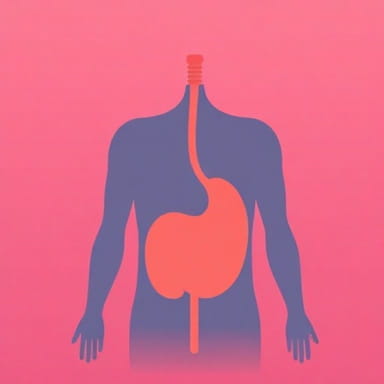
Peptic ulcers are open sores that develop on the inner lining of the stomach or the upper portion of the small intestine, causing significant discomfort and potential complications if left untreated. Understanding the etiological factors of peptic ulcer is essential for prevention, early diagnosis, and effective management. The development of a peptic ulcer is influenced by a combination of biological, environmental, and lifestyle factors that disrupt the delicate balance between the protective mechanisms of the gastrointestinal lining and the aggressive effects of gastric acid and digestive enzymes. Recognizing these factors allows healthcare providers and patients to implement strategies that reduce risk and promote digestive health, while also guiding appropriate treatment interventions.
Helicobacter pylori Infection
One of the most significant etiological factors of peptic ulcer is infection with Helicobacter pylori (H. pylori), a spiral-shaped bacterium that colonizes the stomach lining. This bacterium produces enzymes and toxins that weaken the protective mucosal layer, allowing stomach acid to damage the underlying tissue. H. pylori infection is highly prevalent worldwide and is responsible for the majority of gastric and duodenal ulcers. The infection can be acquired during childhood and may persist for years if untreated, leading to chronic inflammation, gastritis, and eventual ulcer formation.
Mechanism of Ulcer Formation
H. pylori damages the stomach lining through multiple mechanisms. It secretes urease, which neutralizes stomach acid and allows the bacteria to survive in the acidic environment. The bacteria also induce an immune response, leading to inflammation and weakening of the mucosal barrier. Over time, this chronic inflammation, combined with the corrosive effects of gastric acid, results in the formation of peptic ulcers.
Risk Factors Associated with H. pylori
Certain conditions increase the risk of H. pylori infection and subsequent ulcer development
- Living in crowded or unsanitary conditions
- Poor hygiene and contaminated food or water
- Family history of H. pylori infection or peptic ulcers
- Smoking, which can exacerbate mucosal damage
Nonsteroidal Anti-Inflammatory Drugs (NSAIDs)
Another major etiological factor of peptic ulcers is the prolonged use of nonsteroidal anti-inflammatory drugs (NSAIDs), such as aspirin, ibuprofen, and naproxen. These medications inhibit the production of prostaglandins, which play a protective role in maintaining the integrity of the gastric mucosa. Without sufficient prostaglandins, the stomach lining becomes more susceptible to injury from gastric acid, increasing the risk of ulcer formation. NSAID-induced ulcers are common among individuals who use these medications frequently for pain management or chronic conditions such as arthritis.
Mechanism of NSAID-Induced Ulcers
NSAIDs inhibit cyclooxygenase (COX) enzymes, which are essential for prostaglandin synthesis. Prostaglandins contribute to mucus and bicarbonate production, which protect the stomach lining. By reducing prostaglandin levels, NSAIDs compromise these defenses, allowing acid and digestive enzymes to erode the mucosa and form ulcers. The risk is particularly high in elderly patients and those taking high doses or multiple NSAIDs simultaneously.
Excessive Gastric Acid Secretion
Hypersecretion of gastric acid is another etiological factor contributing to peptic ulcer development. Conditions such as Zollinger-Ellison syndrome, in which gastrin-producing tumors stimulate excessive acid production, can overwhelm the stomach’s protective mechanisms and lead to ulcer formation. Excessive acid also contributes to duodenal ulcers in individuals without H. pylori infection or NSAID use. Lifestyle factors, such as high caffeine intake and chronic stress, may also indirectly increase acid production, although their direct role in ulcer formation is less pronounced.
Other Contributing Factors
In addition to H. pylori infection, NSAID use, and excessive gastric acid, several other factors may contribute to the etiology of peptic ulcers. These factors often interact with primary causes to increase susceptibility
Smoking and Alcohol Consumption
Smoking impairs mucosal defense mechanisms and reduces blood flow to the stomach lining, slowing healing and promoting ulcer formation. Alcohol consumption can directly irritate the stomach lining and increase acid production, further contributing to mucosal damage.
Genetic Predisposition
Family history plays a role in susceptibility to peptic ulcers. Certain genetic factors influence the body’s inflammatory response, gastric acid production, and mucosal integrity, making some individuals more prone to ulcer development.
Stress and Lifestyle Factors
Although stress alone is not a primary cause of peptic ulcers, it can exacerbate symptoms and slow healing. Poor diet, irregular eating patterns, and insufficient sleep may also weaken mucosal defenses and contribute to the risk of ulcer formation when combined with other etiological factors.
Prevention and Management
Understanding the etiological factors of peptic ulcers enables effective prevention and management strategies. Early identification and treatment of risk factors can reduce the likelihood of ulcer development and complications such as bleeding or perforation.
Treatment of H. pylori Infection
For H. pylori-induced ulcers, eradication therapy using a combination of antibiotics and proton pump inhibitors (PPIs) is the standard approach. Successful treatment resolves infection, reduces inflammation, and promotes healing of the ulcer. Follow-up testing is often conducted to ensure the bacteria have been completely eliminated.
NSAID Management
Patients requiring long-term NSAID therapy may benefit from alternative pain management strategies or the use of protective medications such as PPIs or prostaglandin analogs to prevent ulcer formation. Regular monitoring for gastrointestinal symptoms is also recommended to detect early signs of mucosal injury.
Lifestyle Modifications
Adopting healthy lifestyle habits can help prevent peptic ulcers or reduce recurrence. Recommendations include
- Maintaining a balanced diet rich in fruits, vegetables, and fiber
- Limiting alcohol intake and avoiding smoking
- Managing stress through relaxation techniques, exercise, and adequate sleep
- Practicing good hygiene to reduce H. pylori infection risk
Peptic ulcers are complex conditions influenced by multiple etiological factors, including H. pylori infection, NSAID use, excessive gastric acid, genetic predisposition, and lifestyle elements such as smoking and alcohol consumption. Understanding these factors is critical for prevention, early detection, and effective management. By addressing underlying causes, adopting protective lifestyle habits, and following medical guidance, patients can reduce their risk of ulcer development, promote healing, and prevent complications. Comprehensive care that considers all contributing factors provides the best outcomes and supports long-term digestive health.