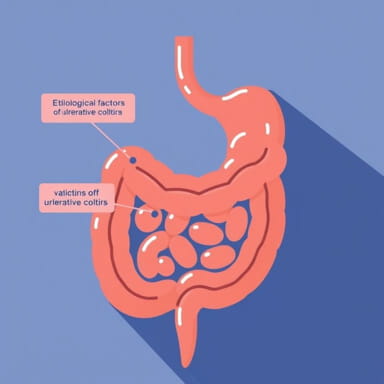
Ulcerative colitis is a chronic inflammatory bowel disease that primarily affects the lining of the colon and rectum. It is characterized by recurring episodes of inflammation, leading to symptoms such as abdominal pain, diarrhea, rectal bleeding, and urgency. Understanding the etiological factors of ulcerative colitis is essential for both medical professionals and patients, as it provides insight into potential causes, risk factors, and mechanisms underlying disease development. While the exact cause remains uncertain, research suggests a combination of genetic, immunological, environmental, and microbial factors contributes to the onset and progression of this condition, highlighting the complex nature of its etiology.
Genetic Factors
Family History and Heredity
Genetic predisposition plays a significant role in the development of ulcerative colitis. Individuals with a family history of inflammatory bowel disease (IBD) are at a higher risk of developing the condition. Studies have shown that first-degree relatives of patients with ulcerative colitis have a substantially increased likelihood of experiencing similar inflammatory conditions, suggesting a hereditary component in disease susceptibility.
Specific Gene Associations
Multiple genes have been associated with ulcerative colitis, particularly those involved in immune regulation and epithelial barrier function. For instance, variations in the HLA (human leukocyte antigen) complex, as well as genes such as IL23R and NOD2, have been linked to increased susceptibility. These genetic markers influence immune system responses, making the intestinal mucosa more prone to chronic inflammation when exposed to triggering factors.
Immune System Dysregulation
Autoimmune Mechanisms
Ulcerative colitis is thought to involve immune system dysregulation, where the body’s immune system mistakenly targets the cells of the colon. This autoimmune response leads to persistent inflammation and ulceration in the mucosal lining. Unlike normal immune reactions that protect against pathogens, the abnormal immune activity in ulcerative colitis results in tissue damage and chronic symptoms.
Inflammatory Cytokines
Cytokines, which are signaling molecules involved in immune responses, play a pivotal role in ulcerative colitis. Overproduction of pro-inflammatory cytokines such as tumor necrosis factor-alpha (TNF-α), interleukin-6 (IL-6), and interleukin-1 beta (IL-1β) contributes to ongoing inflammation and tissue injury. These molecules amplify immune responses in the colon, maintaining a cycle of inflammation and ulcer formation.
Environmental Factors
Diet and Lifestyle
Environmental influences, including diet and lifestyle choices, are believed to impact the development of ulcerative colitis. Diets high in processed foods, saturated fats, and sugar may contribute to dysregulation of the gut microbiota and inflammatory processes. Conversely, diets rich in fiber, fruits, and vegetables may offer protective effects. Smoking has a unique role, as it is associated with a decreased risk of ulcerative colitis, though the exact mechanism remains unclear and is not fully understood.
Geographical and Socioeconomic Factors
The incidence of ulcerative colitis varies geographically, with higher prevalence in North America and Europe compared to Asia and Africa. Urban living, higher socioeconomic status, and Westernized lifestyles have been linked to increased risk, suggesting that environmental exposures, hygiene practices, and lifestyle habits contribute to disease etiology.
Microbial and Gut Flora Factors
Dysbiosis
Alterations in gut microbiota, known as dysbiosis, are frequently observed in patients with ulcerative colitis. An imbalance between beneficial and harmful bacteria can disrupt intestinal homeostasis, trigger immune responses, and promote inflammation. Certain bacterial species may exacerbate mucosal damage, while others that usually maintain gut health are depleted, contributing to disease progression.
Infections and Pathogens
Some studies suggest that previous gastrointestinal infections or exposure to specific pathogens may initiate immune dysregulation in genetically susceptible individuals. While no single microorganism has been definitively identified as a causative agent, microbial triggers likely interact with immune and genetic factors to precipitate the onset of ulcerative colitis.
Other Contributing Factors
Stress and Psychological Factors
Although stress does not directly cause ulcerative colitis, it may influence disease activity and exacerbate symptoms. Psychological stress can alter immune function and gut motility, potentially worsening inflammation and triggering flares in patients with established disease.
Medications and Drug-Induced Effects
Certain medications, such as nonsteroidal anti-inflammatory drugs (NSAIDs) and antibiotics, may contribute to ulcerative colitis development or flare-ups by disrupting the intestinal lining or altering gut microbiota. Patients with genetic or immune susceptibility may be more vulnerable to these effects.
Interplay Between Factors
Complex Interactions
The etiology of ulcerative colitis is multifactorial, involving complex interactions between genetic, immune, environmental, and microbial factors. Genetic predisposition may determine susceptibility, while environmental exposures, gut microbiota imbalances, and immune dysregulation act as triggers or amplifiers of inflammation. Understanding these interactions helps researchers identify therapeutic targets and preventive strategies.
Chronic Inflammation Cycle
The interplay of these etiological factors establishes a cycle of chronic inflammation, mucosal injury, and ulceration. Immune responses to altered microbiota or environmental triggers maintain tissue damage, while genetic susceptibility and immune dysregulation prevent effective resolution. This cycle underscores the importance of comprehensive management approaches that address multiple aspects of disease pathogenesis.
Implications for Treatment and Prevention
Targeted Therapies
Recognizing the etiological factors of ulcerative colitis has guided the development of targeted therapies. Medications such as aminosalicylates, corticosteroids, immunomodulators, and biologics aim to reduce inflammation, modulate immune responses, and restore gut homeostasis. Biologic agents targeting TNF-α or integrins exemplify treatments designed based on understanding specific pathogenic mechanisms.
Preventive Measures
While ulcerative colitis cannot be completely prevented, lifestyle modifications may reduce the risk of disease exacerbation. Maintaining a balanced diet, managing stress, avoiding unnecessary antibiotics, and monitoring environmental exposures can help minimize triggers and support gut health. Regular medical follow-up ensures early detection of flares and timely intervention.
Ulcerative colitis is a complex inflammatory bowel disease with multifactorial etiology. Genetic predisposition, immune system dysregulation, environmental influences, microbial imbalances, and additional factors such as stress and medication exposure all contribute to the onset and progression of the disease. Understanding these etiological factors is essential for accurate diagnosis, effective treatment, and improved patient outcomes. By addressing multiple aspects of disease pathogenesis, healthcare providers can develop personalized management strategies that reduce inflammation, prevent complications, and enhance quality of life for individuals with ulcerative colitis.
Ongoing research continues to uncover new insights into the causes of ulcerative colitis, including the roles of specific genes, immune pathways, and gut microbiota. This knowledge is critical for the development of innovative therapies, preventive strategies, and early intervention approaches. Patients benefit from a comprehensive understanding of their condition, enabling informed decisions about lifestyle, treatment options, and long-term disease management.
In summary, the etiological factors of ulcerative colitis highlight the interplay of genetic, immune, environmental, and microbial influences. Recognizing these factors helps guide effective treatment, personalized care, and preventive measures. While the precise cause remains elusive, advances in research and clinical practice continue to improve understanding, management, and outcomes for patients living with ulcerative colitis, emphasizing the importance of a holistic approach to care and disease prevention.