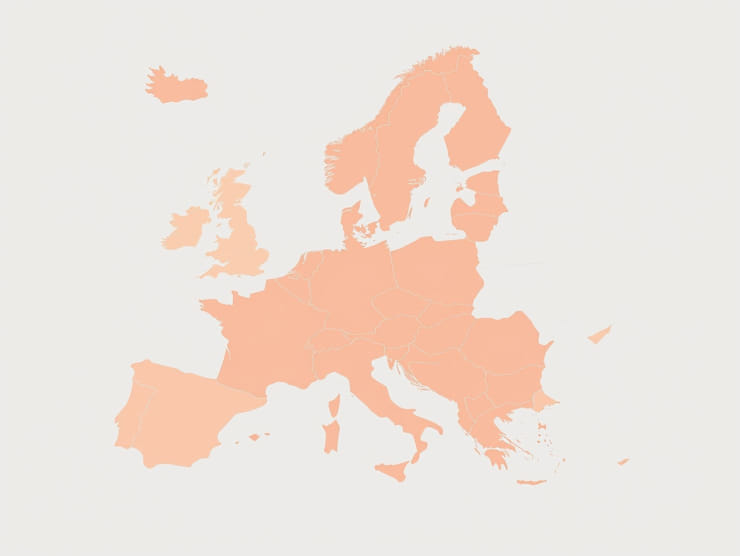
Understanding how plants respond to climate is essential for successful gardening, agriculture, and forestry. In Europe, one of the most reliable tools for identifying the climate conditions in a specific area is the hardiness zone map. The Europe Hardiness Zone Map provides a guide to the average minimum winter temperatures across the continent, allowing gardeners, farmers, and horticulturists to choose plants best suited to their local environments. This system is widely used in many parts of the world, and while it was originally developed in the United States, adaptations have made it suitable for European climates with their varied terrain, coastal influences, and seasonal extremes.
What is a Hardiness Zone Map?
Basic Concept of Hardiness Zones
A hardiness zone map divides a region into zones based on the average annual minimum temperatures over a 30-year period. These zones are labeled with numbers and, in some systems, letters that indicate how cold it gets in winter. The lower the number, the colder the climate. Each zone spans a temperature range of about 10°F or approximately 5.5°C.
The purpose of the map is to help identify which plants are most likely to thrive in a particular zone. If a plant is labeled hardy to Zone 7,” for example, it means it can survive winter temperatures common in Zone 7 areas. Using this system helps prevent crop failures or garden losses due to frost or freezing conditions.
Origin and Adaptation in Europe
The hardiness zone concept was first introduced by the United States Department of Agriculture (USDA). While the USDA Hardiness Zone Map is still commonly used worldwide, Europe has adapted the system to reflect local climate patterns more accurately. This European version takes into account the specific geography of the continent, including mountain ranges, coastal influences, and the contrast between maritime and continental climates.
Hardiness Zones Across Europe
General Overview
Europe spans a wide range of hardiness zones, from the relatively mild climates of the Mediterranean to the subarctic conditions found in parts of Scandinavia and Russia. Here is a general overview of how hardiness zones are distributed across the continent
- Zones 3 to 4Found in northern Scandinavia, parts of Finland, and mountainous areas of eastern Europe. These regions experience harsh winters and are suitable for only the hardiest plants.
- Zones 5 to 6Common in central Europe, including parts of Germany, Poland, and inland France. These zones experience cold winters but with more plant options compared to the far north.
- Zones 7 to 8Include large parts of western Europe such as the UK, coastal France, Belgium, and the Netherlands. Winters are milder, and a wider range of plants can thrive here.
- Zones 9 to 10Found in southern Europe, particularly the Mediterranean coast, southern Spain, southern Italy, Greece, and parts of the Balkans. These regions are warm year-round with very mild winters, supporting subtropical and Mediterranean plant species.
Country-Specific Examples
- United KingdomRanges from Zone 7 in the north and Scottish Highlands to Zone 9 along the southern coast of England. The Gulf Stream influences the UK’s climate significantly.
- FranceNorthern France is typically in Zone 7, while southern regions near the Mediterranean fall into Zones 9 to 10.
- GermanyMostly in Zones 6 and 7, with colder alpine regions dipping into Zone 5.
- SpainNorthern interior regions are in Zone 8, while the southern coastal areas belong to Zones 9 and 10.
- Norway, Sweden, FinlandRange from Zone 3 in the far north to Zone 6 in more temperate southern areas.
How to Use the Europe Hardiness Zone Map
Selecting the Right Plants
Knowing your hardiness zone allows you to select plants that are well-suited for your garden or farm. You can consult plant labels or catalog descriptions to check the recommended hardiness zones. Choosing plants within or slightly below your zone ensures better survival rates during winter.
Planning Seasonal Activities
Hardiness zones also help in planning planting and harvesting schedules. For example, in warmer zones, you can start planting earlier in the year and may even be able to grow multiple crops in a single season.
Designing Gardens and Landscapes
Landscape designers use hardiness zones to select trees, shrubs, and perennial plants that will not only survive but also flourish over the long term. A plant that thrives in Zone 8 might die back completely if planted in Zone 6 without protection.
Limitations of Hardiness Zones
Microclimates
While hardiness zones provide a good general guideline, they do not account for microclimates small areas where conditions differ significantly from the surrounding zone. Urban heat islands, sheltered valleys, and south-facing slopes can create warmer conditions than the zone map indicates.
Other Climate Factors
Hardiness zones are based solely on minimum winter temperatures and do not account for other factors such as
- Summer heatSome plants are sensitive to high temperatures and may not survive hot, dry summers.
- RainfallThe amount and timing of precipitation affect plant growth and survival.
- Soil conditionsSoil pH, texture, and fertility are crucial for plant health.
Not a Complete Guide
It is important not to rely solely on hardiness zones. They are just one piece of the puzzle when it comes to successful plant cultivation. Local knowledge, experience, and attention to weather trends are just as important.
Hardiness Zones and Climate Change
Shifting Zones
As global temperatures rise, hardiness zones across Europe are shifting. Areas that were once in Zone 6 may now be considered Zone 7. This shift allows new plant species to grow in previously unsuitable areas, but it also poses risks to native plants that are adapted to cooler conditions.
Opportunities and Challenges
- Gardeners and farmers might gain access to a wider variety of crops and ornamentals as winters become milder.
- However, invasive species and pests may also expand into new zones, disrupting ecosystems.
- Adjustments to planting schedules and crop selection will become increasingly important.
The Europe Hardiness Zone Map is an invaluable tool for gardeners, farmers, and landscape planners across the continent. By indicating the average minimum winter temperatures, it helps users make informed decisions about which plants to grow and when. While it doesn’t cover every variable, such as rainfall or soil type, it provides a clear starting point for planning successful and sustainable cultivation. As climate conditions evolve, staying updated on hardiness zones and their shifts will be crucial for anyone working with plants in Europe. Using this tool wisely contributes to more resilient landscapes, healthier ecosystems, and productive gardens.