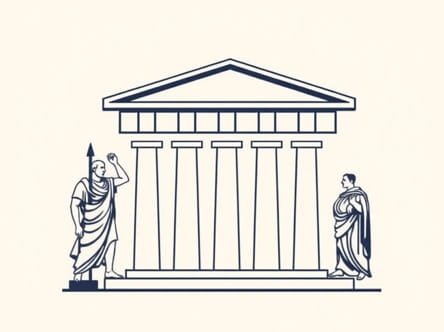
William Shakespeare’s plays have often been celebrated for their timeless themes, rich language, and complex characters. However, despite his literary brilliance, Shakespeare occasionally included historical inaccuracies in his works. One such example occurs in his playJulius Caesar, where he employs anachronism for dramatic effect. An anachronism is something that belongs to a different time period than the one being depicted. InJulius Caesar, these moments offer fascinating insight into Elizabethan stage conventions and Shakespeare’s own storytelling priorities. This topic explores the most well-known example of anachronism in the play, explains its significance, and discusses how it contributes to the play’s overall impact.
Understanding Anachronism
Definition and Literary Function
Anachronism refers to the inclusion of something in a literary or artistic work that does not belong to the time period in which the story is set. This could be a technology, phrase, clothing style, or cultural reference from a later era. While sometimes accidental, anachronisms can also be intentional, serving artistic, comedic, or symbolic purposes.
In historical drama, the presence of anachronism is particularly noticeable, especially when the setting and context are meant to represent real-world events from specific times. However, rather than always being errors, anachronisms can sometimes offer a bridge between the audience and the narrative, making old stories feel more familiar or contemporary.
Julius Caesar A Tragedy Rooted in History
Background of the Play
Shakespeare’sJulius Caesaris based on actual events surrounding the assassination of the Roman leader Julius Caesar in 44 BCE. Drawing from historical sources such as Plutarch’sLives, Shakespeare presents a dramatized version of political conspiracy, betrayal, and civil unrest. The play is widely recognized for its exploration of republicanism, loyalty, and moral ambiguity.
Despite the historical grounding, Shakespeare infused the play with elements that would resonate with his 16th-century audience. He tailored speeches, character motivations, and visual details in ways that often mirrored the political tensions of Elizabethan England.
Famous Example of Anachronism in Julius Caesar
The Mechanical Clock Strikes
Perhaps the most notable example of anachronism inJulius Caesarappears in Act II, Scene 1. In this scene, Brutus is contemplating the plot to assassinate Caesar. As the conspirators gather in the darkness of night, they are alerted to the passing time by the sound of a clock chiming. Specifically, the line reads
Peace! Count the clock.
The clock hath stricken three.
This line reveals the presence of a mechanical striking clock, a device that did not exist during the time of Julius Caesar. In ancient Rome, timekeeping was achieved through sundials or water clocks (clepsydras), not mechanical clocks with audible chimes. These types of clocks were not invented until the 14th century over 1,300 years after Caesar’s death.
Why Shakespeare Used the Clock
The inclusion of the clock may seem like a mistake, but it likely served a dramatic purpose. The sound of a chiming clock would have been familiar and effective for the theater-going audience of Shakespeare’s day. It conveyed a sense of urgency and added tension to the conspirators’ secret meeting. The device helped mark time for the audience, providing structure within the scene.
Implications of the Anachronism
Audience Engagement and Understanding
Shakespeare’s primary concern was not historical precision but emotional and dramatic engagement. By including an object familiar to his audience, he created a sense of relatability and immersion. A chiming clock was a theatrical shorthand that eliminated the need for lengthy exposition or visual cues to signal time.
Modern Interpretations and Criticism
Today, scholars and educators often highlight the mechanical clock inJulius Caesaras a classic example of anachronism in literature. While some view it as a factual oversight, others see it as a conscious creative choice. Either way, it sparks conversations about artistic license, historical authenticity, and the expectations placed on authors and playwrights.
The Broader Use of Anachronism in Shakespeare
Shakespeare’s plays are filled with such anachronisms. InHamlet, for instance, the protagonist is a student at the University of Wittenberg founded over 1,000 years after the play’s implied setting. Similarly, inKing Lear, characters carry coins and use armor that would not exist in ancient Britain. These examples reinforce the idea that Shakespeare saw history as a backdrop rather than a rigid framework.
How Teachers and Students Can Explore This Device
Critical Thinking Through Anachronism
In educational settings, pointing out anachronisms like the mechanical clock inJulius Caesarcan be a valuable tool for developing analytical skills. Students can examine why an author might break from historical accuracy and how that decision affects the story. Such discussions can lead to deeper understanding of character motivations, narrative pacing, and thematic resonance.
Discussion Topics for Classroom Engagement
- How does the chiming clock affect the mood of the conspirators’ meeting?
- Does the anachronism distract from or enhance the scene’s emotional impact?
- What does the use of modern elements in ancient settings suggest about Shakespeare’s intent?
Anachronism as a Literary Device
The presence of the striking clock inJulius Caesaris more than a simple historical error; it is a compelling example of how Shakespeare blended past and present to craft engaging drama. While the image of a clock striking in ancient Rome may defy logic, it functions symbolically and theatrically within the play’s structure. The anachronism underscores how time, secrecy, and destiny weigh upon the characters as they face the consequences of their choices.
Rather than undermine the play’s credibility, the mechanical clock enriches its emotional landscape. It connects the audience to the unfolding events in a tangible, familiar way. Understanding such literary devices not only deepens appreciation for Shakespeare’s artistry but also reveals the layered complexity of his works, where time, language, and culture interweave seamlessly to serve the drama.