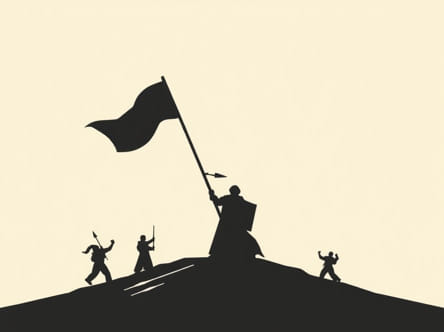
Heroic tragedy is one of the most compelling forms of dramatic literature, where grandeur, honor, and fate converge into a powerful emotional experience. Rooted in noble ideals and elevated language, this genre often showcases characters of high birth who are confronted by overwhelming circumstances that lead to their downfall. The emotional intensity and moral conflict at the heart of heroic tragedy make it a rich subject for both literary appreciation and critical analysis. Understanding its structure and essence through an example offers valuable insight into how this genre shapes the reader’s experience.
Understanding Heroic Tragedy
Heroic tragedy is a form of drama that originated in the seventeenth century, particularly flourishing in Restoration England. It is characterized by elevated language, noble characters, and themes of honor, love, and fate. The protagonist is typically a hero or heroine who displays courage and moral strength but ultimately falls due to a tragic flaw or overwhelming external forces.
Heroic tragedy is not just a story of misfortune it’s a story where the protagonist’s actions, often noble or valorous, are bound by the moral or political expectations of their time. These actions lead them down a path from which there is no return. Through this lens, we explore the nobility of suffering and the consequences of ambition, pride, or intense passion.
Key Elements of Heroic Tragedy
- Elevated and poetic language
- Characters of noble or royal birth
- A focus on grand themes such as honor, patriotism, or destiny
- High emotional stakes and conflicts of love, duty, or ambition
- A tragic ending resulting in the fall or death of the protagonist
Example All for Love by John Dryden
One of the most famous examples of heroic tragedy is John Dryden’s playAll for Love(1677). This work, a retelling of the tragic love story of Antony and Cleopatra, is considered a prime example of the genre. Unlike Shakespeare’s original version inAntony and Cleopatra, Dryden’s version confines the action to one day and one place, aligning with neoclassical unities and offering a tighter dramatic structure.
The Hero Mark Antony
Mark Antony, the central figure in Dryden’s play, is portrayed as a tragic hero torn between duty and passion. As a Roman general, Antony is bound by loyalty to the Roman Empire and his marriage to Octavia. However, his love for Cleopatra ultimately leads him to abandon political responsibility and embrace a personal, emotional commitment.
This conflict between public duty and private desire is the hallmark of heroic tragedy. Antony’s noble qualities his valor, his love, his honor are all real and admirable, but they become sources of internal conflict that hasten his downfall.
The Heroine Cleopatra
Cleopatra is not simply a seductive queen but a complex character in her own right. Her love for Antony is both her strength and her vulnerability. She challenges Roman ideals and adds emotional depth to the tragedy. Her ultimate suicide, following Antony’s death, completes the cycle of love, sacrifice, and doom that defines heroic tragedy.
Language and Structure
Dryden’s use of blank verse and heroic couplets adds grandeur to the dialogue. The language is elevated, meant to reflect the nobility of the characters and the seriousness of their choices. The structure of the play emphasizes cause and effect each action taken by Antony and Cleopatra drives the plot further toward its tragic conclusion.
Why All for Love Is a Heroic Tragedy
All for Loveembodies every characteristic of heroic tragedy. It presents noble characters struggling with powerful emotions and moral dilemmas. The central conflict between love and honor makes the characters’ decisions deeply human, yet their status as rulers amplifies the consequences of those decisions. The tragic ending, where both lovers die, is not merely sad but meaningful, evoking a sense of awe and catharsis.
Comparison to Other Tragic Forms
Heroic tragedy differs from other forms of tragedy like Greek tragedy or domestic tragedy. In Greek tragedy, the protagonist’s fate is often sealed by divine will or prophecy, and the characters speak in chorus or formal structure. In domestic tragedy, the focus is on ordinary people and everyday conflicts.
Heroic tragedy, by contrast, deals with exceptional individuals whose actions have far-reaching implications. The moral scope is grander, and the stylistic choices reflect this epic scale. The characters’ lives are tied not only to personal values but also to national, military, or cosmic concerns.
Other Notable Examples of Heroic Tragedy
- The Conquest of Granadaby John Dryden
- Don Sebastianalso by Dryden
- The Indian Queenby Sir Robert Howard and Dryden
- Aureng-Zebeby John Dryden
These plays feature protagonists facing epic challenges and making dramatic choices that determine their fate. LikeAll for Love, they revolve around themes of honor, duty, ambition, and sacrifice.
The Legacy of Heroic Tragedy
Heroic tragedy had a lasting influence on English literature. While the genre’s popularity declined after the Restoration period, its themes and style influenced later playwrights and poets. Its emphasis on moral conflict, rhetorical brilliance, and emotional intensity continues to inspire modern works of literature and drama.
Moreover, heroic tragedy opened the door for more nuanced portrayals of character. It made room for complex emotional struggles and encouraged audiences to reflect on how greatness can be undermined by internal flaws or external pressures.
An example of heroic tragedy such as John Dryden’sAll for Lovehighlights the genre’s emotional power and dramatic depth. Through its noble characters, elevated language, and themes of love, duty, and fate, heroic tragedy draws audiences into a world where honor and emotion collide. Its legacy endures in literature and theatre, reminding us of the beauty and pain inherent in human ambition and devotion. Understanding such examples helps readers and scholars appreciate the richness of dramatic art and the timeless questions it poses.