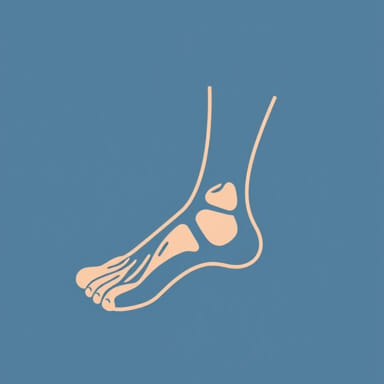
Clubfoot, also known as congenital talipes equinovarus, is a condition in which the foot is twisted out of shape or position. While it is commonly treated in infancy, some adults continue to experience functional limitations, pain, or reduced mobility due to residual deformity. Exercises for clubfoot in adults are an essential component of maintaining mobility, improving strength, and preventing further complications. With consistent effort, targeted exercises can help adults manage symptoms and enhance overall foot function, enabling them to lead more active and comfortable lives.
Understanding Clubfoot in Adults
In adults, clubfoot may present with stiffness, reduced range of motion, and difficulty walking or running. Even after surgical or nonsurgical treatments during childhood, the foot may retain some degree of deformity, which can affect balance and gait. Adult clubfoot patients often require a combination of exercises, orthotics, and occasionally surgical interventions to maintain functional mobility and prevent secondary issues such as arthritis or tendonitis. Understanding the anatomy of the foot and the specific challenges faced by adults is key to developing an effective exercise routine.
Goals of Exercises for Adult Clubfoot
Exercises for clubfoot in adults aim to achieve several objectives
- Increase flexibility in the ankle, foot, and toes.
- Strengthen muscles of the foot, ankle, and lower leg.
- Improve balance and proprioception to reduce the risk of falls.
- Enhance overall mobility and walking efficiency.
- Prevent secondary musculoskeletal problems caused by abnormal foot mechanics.
Stretching Exercises
Stretching is essential to improve the flexibility of tight muscles and tendons commonly found in adults with clubfoot. These exercises can reduce stiffness and improve the range of motion
Calf Stretch
Stand facing a wall with one foot forward and one foot back. Keep the back leg straight and the heel on the ground while leaning forward. Hold for 20-30 seconds and repeat 3 times on each leg. This stretch targets the Achilles tendon and calf muscles, which are often tight in clubfoot.
Plantar Fascia Stretch
Sit with your legs extended and wrap a towel around the ball of your foot. Gently pull the towel towards you while keeping the knee straight. Hold for 20-30 seconds and repeat 3 times on each foot. Stretching the plantar fascia can alleviate discomfort and improve arch flexibility.
Toe and Forefoot Stretch
Use your hands to gently pull the toes upward and outward while seated or lying down. Hold each stretch for 15-20 seconds and repeat 3-4 times. This exercise improves flexibility in the forefoot and toes, which may be contracted in adult clubfoot.
Strengthening Exercises
Strengthening the muscles of the foot and lower leg helps stabilize the ankle and foot, improve walking mechanics, and reduce fatigue. Consistent practice enhances the functional capacity of the foot
Resistance Band Exercises
Sit on the floor with legs extended. Wrap a resistance band around the ball of your foot and hold the ends. Push the foot away from you against the resistance, then slowly return to the starting position. Repeat 10-15 times for 2-3 sets on each foot. This exercise strengthens the ankle dorsiflexors and plantarflexors.
Heel Raises
Stand with feet hip-width apart and slowly raise your heels off the ground, balancing on the balls of your feet. Hold for 2-3 seconds and slowly lower your heels. Repeat 10-15 times for 2-3 sets. Heel raises strengthen the calves and improve ankle stability, which is particularly important for walking and standing balance.
Toe Curls and Toe Spreading
Place a towel on the floor and use your toes to scrunch it towards you, then release. Additionally, practice spreading your toes apart and holding the position for a few seconds. Repeat 10-15 times for 2-3 sets. These exercises strengthen intrinsic foot muscles, enhancing balance and arch support.
Balance and Proprioception Exercises
Adults with clubfoot may have altered balance due to structural changes and muscle weakness. Balance exercises help retrain the neuromuscular system and reduce the risk of falls
Single-Leg Stance
Stand on one foot for 20-30 seconds while maintaining an upright posture. Repeat 3-5 times on each leg. For added difficulty, close your eyes or stand on a soft surface. This exercise enhances ankle stability and proprioceptive awareness.
Heel-to-Toe Walk
Walk in a straight line, placing the heel of one foot directly in front of the toes of the other foot. Repeat for 10-15 steps, then reverse direction. Heel-to-toe walking improves balance, coordination, and gait mechanics.
Use of Balance Boards or Cushions
Standing on a balance board or cushion can challenge stability and activate stabilizing muscles in the foot and ankle. Begin with short sessions and gradually increase duration as strength improves. This dynamic exercise enhances proprioception and overall foot function.
Incorporating Exercises Into Daily Life
Consistency is key when performing exercises for adult clubfoot. Incorporating them into a daily routine can lead to noticeable improvements over time. Starting with 15-20 minutes a day and gradually increasing intensity and duration ensures progress without overloading the foot. Consulting a physical therapist or orthopedic specialist can help tailor exercises to individual needs, track improvements, and avoid potential injuries.
Additional Tips
- Wear supportive footwear to complement exercise efforts and reduce strain.
- Combine exercises with low-impact activities such as swimming or cycling to maintain cardiovascular health without stressing the foot.
- Monitor for pain or discomfort and modify exercises as needed.
- Use orthotics or braces if recommended by a healthcare professional to maintain foot alignment.
Exercises for clubfoot in adults play a crucial role in maintaining mobility, improving strength, and preventing complications. Stretching, strengthening, and balance exercises work together to enhance foot function, reduce stiffness, and promote overall well-being. Regular practice, combined with proper footwear, supportive devices, and professional guidance, can help adults manage the residual effects of clubfoot effectively. By committing to a structured exercise routine, individuals can improve their quality of life, maintain independence, and participate in daily activities with greater ease and confidence.