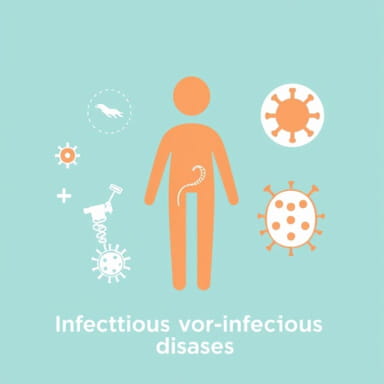
Understanding the difference between infectious and noninfectious diseases is fundamental to maintaining good health and preventing illness. Diseases affect the human body in diverse ways, and their causes, modes of transmission, and treatments vary significantly. Infectious diseases are caused by pathogens such as bacteria, viruses, fungi, and parasites, and can spread from one individual to another. Noninfectious diseases, on the other hand, are not caused by pathogens and cannot be transmitted between people. They may result from genetic factors, lifestyle choices, environmental exposures, or other internal conditions. Recognizing these distinctions helps in the prevention, management, and treatment of various health conditions.
What Are Infectious Diseases?
Infectious diseases, also called communicable diseases, are caused by harmful microorganisms that invade the body and multiply, disrupting normal bodily functions. These microorganisms, known as pathogens, include bacteria, viruses, fungi, and parasites. Infection can occur through direct contact with an infected person, indirect contact via contaminated surfaces, inhalation of airborne pathogens, consumption of contaminated food or water, or through vectors such as mosquitoes and ticks.
Common Types of Infectious Diseases
- Bacterial InfectionsCaused by bacteria, examples include tuberculosis, strep throat, and urinary tract infections.
- Viral InfectionsCaused by viruses, such as influenza, COVID-19, hepatitis, and the common cold.
- Fungal InfectionsResulting from fungi, including athlete’s foot, ringworm, and candidiasis.
- Parasitic InfectionsCaused by parasites like malaria, amoebiasis, and tapeworm infections.
Symptoms of Infectious Diseases
Symptoms vary depending on the type of pathogen and the affected body system. Common signs include
- Fever and chills
- Fatigue and weakness
- Swelling or inflammation
- Respiratory symptoms such as cough and congestion
- Digestive problems including nausea, vomiting, or diarrhea
- Skin rashes or lesions
Prevention and Treatment of Infectious Diseases
Preventing infectious diseases often involves good hygiene practices, vaccination, safe food handling, and avoiding contact with infected individuals. Treatment may include
- Antibiotics for bacterial infections
- Antiviral medications for certain viral infections
- Antifungal treatments for fungal infections
- Antiparasitic drugs for parasitic infections
- Supportive care such as rest, hydration, and pain management
What Are Noninfectious Diseases?
Noninfectious diseases are illnesses that are not caused by pathogens and cannot spread from person to person. These diseases often develop due to genetic predisposition, lifestyle choices, environmental factors, or a combination of these. Noninfectious diseases may be chronic, lasting for long periods, or acute, appearing suddenly and resolving quickly. Unlike infectious diseases, prevention and management primarily focus on lifestyle modification, early detection, and medical intervention when necessary.
Common Types of Noninfectious Diseases
- Cardiovascular DiseasesConditions affecting the heart and blood vessels, such as heart attacks, hypertension, and stroke.
- DiabetesA metabolic disorder characterized by high blood sugar levels due to insulin deficiency or resistance.
- CancerUncontrolled growth of abnormal cells that can spread to other parts of the body.
- Respiratory DisordersChronic conditions like asthma and chronic obstructive pulmonary disease (COPD).
- Genetic DisordersConditions inherited from parents, including cystic fibrosis, sickle cell anemia, and hemophilia.
- Autoimmune DiseasesDiseases in which the immune system attacks the body’s own tissues, such as rheumatoid arthritis and lupus.
Symptoms of Noninfectious Diseases
Symptoms vary depending on the type and severity of the condition. Common signs include
- Persistent pain or discomfort
- Fatigue and weakness
- Unexplained weight loss or gain
- Changes in skin, hair, or nails
- Difficulty breathing or shortness of breath
- Changes in mental or cognitive function
Prevention and Management of Noninfectious Diseases
Preventing noninfectious diseases often involves adopting a healthy lifestyle, which includes
- Maintaining a balanced diet rich in fruits, vegetables, and whole grains
- Regular physical activity to maintain cardiovascular health and body weight
- Avoiding tobacco, excessive alcohol, and harmful substances
- Regular medical check-ups for early detection and monitoring
- Managing stress and maintaining mental well-being
Management of noninfectious diseases typically includes medication, lifestyle modifications, surgical interventions when necessary, and ongoing monitoring by healthcare professionals. Early detection and consistent care are critical to reducing complications and improving quality of life.
Key Differences Between Infectious and Noninfectious Diseases
Although both types of diseases affect health, several key differences set them apart
- CauseInfectious diseases are caused by pathogens, whereas noninfectious diseases result from genetic, lifestyle, or environmental factors.
- TransmissionInfectious diseases can spread between individuals; noninfectious diseases cannot.
- PreventionInfectious disease prevention focuses on hygiene, vaccines, and avoiding exposure; noninfectious disease prevention focuses on lifestyle, diet, and medical monitoring.
- TreatmentInfectious diseases often require medications targeting the pathogen, while noninfectious diseases involve managing symptoms, lifestyle changes, and sometimes surgical intervention.
Infectious and noninfectious diseases are two broad categories of illnesses that impact human health in distinct ways. Understanding their causes, symptoms, prevention, and treatment is essential for maintaining well-being and reducing the risk of complications. Infectious diseases require vigilance in hygiene, vaccination, and prompt medical treatment to control spread and promote recovery. Noninfectious diseases emphasize lifestyle choices, regular health monitoring, and long-term management strategies. By recognizing the differences and adopting appropriate preventive measures, individuals can protect themselves and improve overall health outcomes effectively.