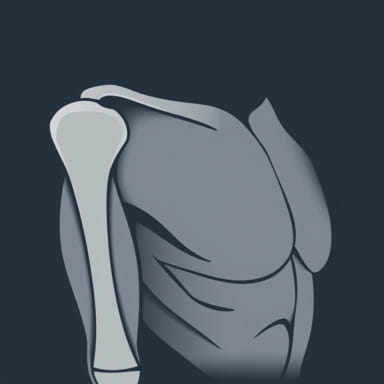
The external oblique muscle is one of the most important muscles in the abdominal wall. It plays a key role in trunk rotation, flexion, and lateral bending, as well as in supporting the abdominal viscera and contributing to posture and respiration. Located on each side of the torso, this broad and flat muscle forms the most superficial layer of the lateral abdominal muscles. Understanding theorigin and insertion of the external oblique muscleis essential for students of anatomy, fitness professionals, and healthcare practitioners who deal with musculoskeletal function and rehabilitation.
External Oblique Muscle Overview
The external oblique is part of the trio of flat abdominal muscles, which also includes the internal oblique and the transversus abdominis. It is easily visible in well-defined athletes as the ‘V-shaped’ muscle that tapers toward the pelvis. This muscle functions in coordination with its neighboring structures to assist in movements of the trunk and in compression of the abdominal cavity.
Basic Anatomy and Position
The external oblique covers the sides and front of the lower ribs and extends down to the pelvis. It overlaps the internal oblique, which lies beneath it, and both muscles are connected by a fibrous structure called the aponeurosis, which contributes to the formation of the rectus sheath.
Origin of the External Oblique Muscle
Theoriginof a muscle is the point where it begins typically the more stationary or proximal attachment. For the external oblique muscle, the origin points are on the lateral surfaces of the lower ribs.
Specific Origin Points
- External surfaces of the fifth to twelfth ribs (Ribs 512)
These ribs are the lower eight ribs of the thoracic cage. The external oblique fibers attach to their outer surfaces via fleshy digitations that interlock with fibers of the serratus anterior and latissimus dorsi muscles. The muscle fibers travel in an inferomedial direction (downward and toward the midline of the body), giving the muscle its distinct diagonal orientation.
Insertion of the External Oblique Muscle
Theinsertionof a muscle refers to the point where it ends usually the more mobile or distal attachment. The external oblique muscle inserts into several key structures that span the lower abdomen and pelvis.
Specific Insertion Points
- Linea alba (via the abdominal aponeurosis)
- Pubic tubercle
- Anterior half of the iliac crest
The linea alba is a fibrous structure running vertically along the midline of the abdomen, formed by the fusion of the aponeuroses of the abdominal muscles. The pubic tubercle is a bony prominence of the pubis bone in the pelvis, and the iliac crest is the upper curved border of the ilium, the largest bone of the pelvis. These insertion points allow the external oblique to connect the thoracic cage to the pelvic girdle, making it effective in transmitting force and enabling trunk motion.
Direction of Muscle Fibers
The orientation of the muscle fibers of the external oblique is essential for understanding its function. The fibers run in a direction similar to putting your hands into your front pockets: from the ribs downward and inward toward the midline. This is known as an inferomedial direction. This diagonal alignment allows the muscle to assist with a range of movements involving both rotation and flexion.
Functions of the External Oblique Muscle
The external oblique plays several vital roles in trunk movement, stabilization, and internal pressure regulation. Its origin and insertion allow for versatile actions depending on whether one side or both sides contract.
Main Functions
- Trunk rotation: Contracting one side of the external oblique helps rotate the trunk to the opposite side.
- Lateral flexion: Side-bending of the trunk is achieved when one side contracts alone.
- Trunk flexion: When both sides contract simultaneously, the trunk flexes forward.
- Compression of abdominal contents: This aids in forced expiration, coughing, and defecation.
- Postural support: Helps maintain upright posture and supports the spine during movement.
Interaction with Other Muscles
The external oblique works in concert with neighboring muscles to ensure effective trunk movement and stability. These include:
- Internal oblique: Lies just beneath the external oblique and runs perpendicular to its fibers. Together, they form a crisscross pattern that strengthens the abdominal wall.
- Rectus abdominis: Located in the midline and enclosed within the rectus sheath formed in part by the external oblique aponeurosis.
- Transversus abdominis: The deepest of the abdominal muscles, which helps compress abdominal contents and stabilize the spine.
Clinical Relevance
The external oblique muscle’s origin and insertion are important considerations in various clinical settings, including physical therapy, surgery, and sports medicine. Injury, strain, or weakness in this muscle can lead to impaired movement, pain, or poor posture.
Muscle Strain and Overuse
External oblique strains can occur due to sudden twisting motions, excessive abdominal workouts, or overuse in sports like baseball, tennis, or gymnastics. Symptoms include localized pain, tenderness, and reduced range of motion.
Hernias and Abdominal Wall Integrity
Weakness in the external oblique and surrounding muscles may contribute to the development of abdominal hernias, particularly inguinal hernias. Proper strengthening of the abdominal wall can help prevent these issues.
Surgical Applications
In surgical procedures involving the abdominal cavity, the external oblique muscle and its aponeurosis are often incised or retracted. Understanding its attachments helps surgeons avoid unnecessary damage and supports better postoperative recovery.
Training and Strengthening
Strengthening the external oblique muscle is a common goal in fitness routines focused on core development. Exercises that target this muscle improve posture, enhance athletic performance, and reduce the risk of injury.
Effective Exercises
- Side planks
- Russian twists
- Bicycle crunches
- Standing trunk rotations with resistance bands or cables
These movements emphasize the oblique’s role in rotation and lateral stability, utilizing its origin and insertion to build muscle endurance and strength.
The external oblique muscle, with its origin on the fifth to twelfth ribs and insertion into the linea alba, pubic tubercle, and iliac crest, is a cornerstone of core function and stability. Its diagonal fiber direction and broad attachments enable a wide range of trunk movements, including rotation, flexion, and side bending. Understanding its anatomy is crucial for diagnosing injuries, planning surgeries, designing exercise programs, and improving overall movement mechanics. Whether in sports performance or daily life, a strong and healthy external oblique muscle contributes greatly to posture, strength, and injury prevention.