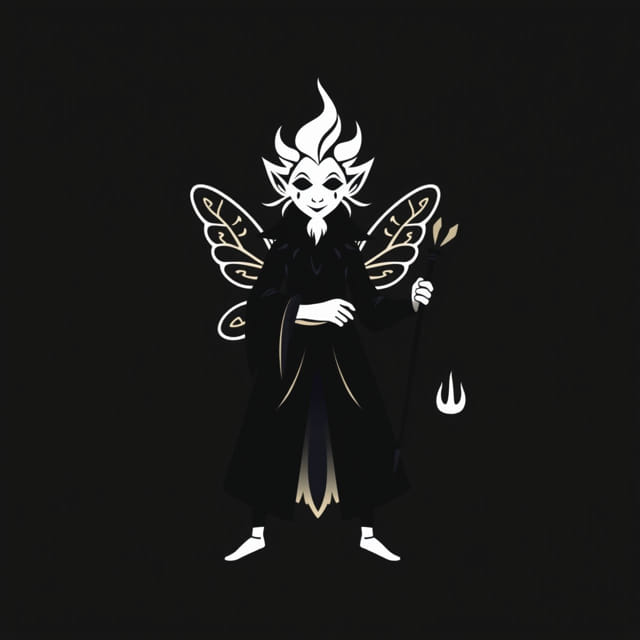
Among the many episodes of the beloved anthology series Faerie Tale Theatre, one of the most memorable is the adaptation of Rumpelstiltskin. This 1980s television show, created by Shelley Duvall, became known for its whimsical charm, star-studded casts, and fresh retellings of classic fairy tales. The Rumpelstiltskin episode in particular captured audiences with its mix of comedy, fantasy, and moral lessons. Revisiting this version allows fans of fairy tales and nostalgic television to understand why Faerie Tale Theatre remains so timeless and why this story continues to hold cultural significance.
The Concept of Faerie Tale Theatre
Faerie Tale Theatre was a groundbreaking anthology series that aired between 1982 and 1987. Each episode adapted a well-known fairy tale and featured popular actors of the time. With a mix of humor, theatrical production values, and creative storytelling, the series appealed to children and adults alike. The show’s format allowed viewers to enjoy familiar stories in a fresh and entertaining way, blending traditional narrative with modern wit.
Why the Series Stood Out
Unlike traditional children’s programming, Faerie Tale Theatre did not shy away from sophisticated humor and layered performances. It became famous for
- High-profile guest stars from film and television.
- Lavish costumes and imaginative sets despite a modest budget.
- A balance of comedy, fantasy, and moral lessons.
- Sincere storytelling that respected the original fairy tales.
The Story of Rumpelstiltskin
The fairy tale of Rumpelstiltskin is one of the darker yet fascinating stories from the Brothers Grimm. It tells the tale of a miller’s daughter forced to spin straw into gold, an impossible task she can only accomplish with the help of a strange magical creature. In exchange, she promises him her firstborn child. Eventually, she can escape the bargain if she guesses his name. The moral themes of greed, desperation, and cleverness make it one of the most striking fairy tales ever written.
Faerie Tale Theatre’s Unique Approach
In the Faerie Tale Theatre version, the story is presented with a comedic twist, while still preserving the central narrative. The episode emphasizes humor and eccentricity, allowing the character of Rumpelstiltskin to be both menacing and amusing. This balance of tones keeps the story light enough for children but meaningful enough for adult audiences to enjoy.
The Cast and Performances
As with every Faerie Tale Theatre episode, casting played an important role in bringing the story to life. The actors infused the fairy tale with personality, ensuring that the characters felt both familiar and new. The choice of performers elevated the episode and made it memorable in the series’ lineup.
Notable Characters
- The Miller’s DaughterThe central figure who is forced into an impossible situation and learns the value of courage and cleverness.
- RumpelstiltskinThe peculiar little man whose magical powers come with a dark price, portrayed with humor and menace.
- The KingA greedy and somewhat foolish monarch whose obsession with gold sets the conflict in motion.
The chemistry between the characters ensured the story was both entertaining and emotionally engaging, making it stand out among other fairy tale retellings.
Visual Style and Production
Faerie Tale Theatre is remembered for its theatrical sets and costumes, and Rumpelstiltskin was no exception. The episode leaned into the whimsical style of fairy tales, with colorful backdrops and playful staging. While the budget was not extravagant, the creative choices gave the show a distinctive stage-play quality. This theatrical feel was part of its charm and set it apart from animated adaptations or high-budget fantasy films.
Theatrical Influence
Because Shelley Duvall designed the series to feel like live storytelling, the production of Rumpelstiltskin often resembled a stage performance. This included
- Exaggerated costumes to emphasize character personalities.
- Bright, imaginative set designs that resembled illustrations from storybooks.
- Playful use of lighting and props to create a magical atmosphere.
Humor and Modern Sensibilities
What set Faerie Tale Theatre apart was its willingness to insert modern humor into traditional stories. The Rumpelstiltskin episode made use of witty dialogue, comedic timing, and absurd character quirks. These elements gave the tale a fresh energy without erasing its darker undertones. This balance of lightheartedness and seriousness allowed the episode to resonate with both children and nostalgic adult viewers.
Blending Darkness and Comedy
The original Grimm version of Rumpelstiltskin can be quite dark, involving themes of desperation, deceit, and punishment. However, Faerie Tale Theatre softened the harsher elements through comedy. Instead of being terrifying, Rumpelstiltskin became a quirky, almost clownish figure, which made the story less frightening while still carrying the moral weight.
The Moral Lessons of Rumpelstiltskin
At its heart, the story of Rumpelstiltskin carries strong lessons that Faerie Tale Theatre highlighted. The episode reinforces themes of honesty, cleverness, and the dangers of greed. The king’s obsession with gold, the miller’s boastful lies, and the creature’s manipulative bargains all serve as cautionary elements in the narrative.
Key Lessons for Audiences
- Greed often leads to dangerous situations.
- Bravery and intelligence can overcome even impossible odds.
- Names and identity hold power in storytelling.
- Promises should never be made lightly.
By mixing humor with morality, Faerie Tale Theatre ensured that these messages reached a broad audience without feeling overly preachy.
Reception and Legacy
The Rumpelstiltskin episode remains one of the standout installments of Faerie Tale Theatre. Fans appreciated the balance of comedy, creativity, and timeless lessons. It showcased the series’ strengths unique casting, theatrical style, and clever adaptation. Over the years, many viewers who grew up with the show continue to revisit it, sharing it with new generations as a nostalgic piece of 1980s television.
Why It Still Resonates
The combination of fairy tale magic and celebrity performances ensured that Faerie Tale Theatre’s version of Rumpelstiltskin would not fade into obscurity. Its unique approach to a well-known story ensures it remains memorable even today. The show’s reputation for charm and creativity helps maintain interest in the series, making it a treasured part of television history.
Faerie Tale Theatre’s Rumpelstiltskin stands as a perfect example of how the series blended classic fairy tales with humor, creativity, and thoughtful performances. By capturing both the lighthearted and serious elements of the story, it delivered a version that entertained while preserving the moral lessons. For fans of fairy tales, television history, and nostalgic storytelling, this episode remains a highlight of Shelley Duvall’s enchanting series. The tale of Rumpelstiltskin continues to inspire, and Faerie Tale Theatre’s playful yet meaningful retelling ensures that the story remains alive for generations to come.
Word count ~1015