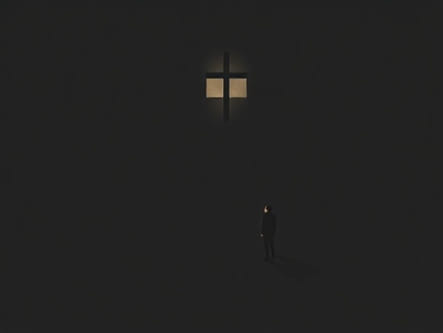
Written by Emily Brontë, the poem Faith and Despondency” reveals deep contrasts between hope and despair, expressed through emotional intensity and natural imagery. It presents two distinct characters one embodying steadfast faith, the other submerged in sorrow and hopelessness. Brontë’s poetic craftsmanship creates a touching meditation on the psychological states of belief and desolation, elevating the poem as a rich example of Romantic literature. Understanding the poem requires attention to both its symbolic structure and its thematic emotional weight, which is deeply tied to the poet’s Victorian context and inner world.
Understanding the Context
Emily Brontë’s Poetic Vision
Emily Brontë, most famous for her novel “Wuthering Heights,” was also a powerful poet. Her verse often explores solitude, nature, and emotional struggle. “Faith and Despondency” is one of her more direct treatments of contrasting emotions and human responses to suffering and spiritual doubt. The poem is reflective of Victorian anxieties about faith, loss, and salvation, rendered through her lyrical imagination.
Victorian Era and Spiritual Conflict
During the 19th century, many poets and writers grappled with religious uncertainty. While some sought refuge in conventional belief, others struggled with the implications of suffering and death. Brontë’s “Faith and Despondency” channels these spiritual tensions through two symbolic characters that carry opposing emotional burdens. This framework offers not only a poetic dialogue but a personal exploration of Brontë’s internal conflicts.
The Structure of the Poem
Use of Contrasting Voices
The poem is divided into two parts one voice represents Faith calm, peaceful, and assured while the other represents Despondency, who is restless, grieving, and consumed by emotional pain. These dual personas highlight a psychological and spiritual battle. The poem’s alternating tone effectively places the reader between the two experiences, deepening its emotional resonance.
Form and Language
Brontë employs a traditional ballad form, marked by regular meter and rhyme, which makes the poem lyrical yet somber. The language is elevated but accessible, filled with religious references, natural imagery, and emotional appeal. The rhythm reflects the tension between peace and anguish grace and despair that defines the poem’s central conflict.
Key Themes in “Faith and Despondency”
1. Spiritual Endurance
Faith in the poem is personified as serene and unwavering, offering a kind of divine patience in the face of adversity. Her calm demeanor suggests a belief that suffering has meaning and that heaven offers ultimate redemption. She stands as a symbol of inner strength derived from spiritual conviction.
2. Emotional Despair
Despondency, on the other hand, is heartbroken over a personal loss, unable to reconcile with death. She expresses feelings of abandonment and futility. Her grief is raw and consuming, demonstrating how personal sorrow can challenge spiritual beliefs and push individuals toward existential doubt.
3. Nature as Reflection of Emotion
Emily Brontë uses natural imagery as a mirror to human emotion. The quiet of the grave, the chill of winter, or the fading of the day all symbolize sorrow and resignation. In contrast, references to light, warmth, or calm skies support Faith’s message of peace and salvation. Nature becomes the stage upon which inner emotional dramas unfold.
4. Death and the Afterlife
Death is not treated as a simple end in the poem. For Faith, it is a gateway to eternal peace. For Despondency, it is a terrifying loss that separates her from a loved one forever. This conflict echoes broader Victorian debates about mortality, heaven, and the soul’s destiny. The poem questions whether belief can truly overcome heartbreak.
Symbolism and Imagery
Heaven and Earth
Faith’s eyes are metaphorically fixed on heaven, indicating her transcendence of worldly pain. She is portrayed almost like an angelic figure, full of composure and hope. In contrast, Despondency is bound to earth, weighed down by grief and unable to look beyond the physical realm. These opposing directions underscore their philosophical differences.
Light and Darkness
The poem uses light to symbolize divine truth and spiritual clarity, aligning with Faith. Darkness, in turn, envelops Despondency, suggesting ignorance, isolation, or inner turmoil. These familiar metaphors enhance the emotional depth of the work without relying on complex theological exposition.
Character Analysis
Faith
- Represents spiritual hope and patience
- Offers calmness in the face of pain
- Embodies Christian belief in redemption and eternal life
Despondency
- Represents emotional suffering and disillusionment
- Questions divine justice and the meaning of suffering
- Feels separated from comfort due to overwhelming grief
Critical Interpretation
Psychological Duality
The poem is often read as a conversation between two aspects of the same individual. Faith and Despondency may not be separate people but two sides of Brontë’s psyche, struggling with the meaning of death and the possibility of solace. This internal debate makes the poem intensely personal and psychologically rich.
Feminine Perspective
As a female poet in the Victorian era, Brontë’s expression of grief and resilience can be seen as reflecting the emotional lives of women who endured the loss of loved ones during times of illness and social upheaval. The portrayal of female emotional strength and vulnerability is subtly empowering, revealing emotional insight and moral courage.
Influence of Romanticism
Like many Romantic poets, Brontë draws on nature, emotion, and imagination to probe existential questions. However, unlike the exuberance of some Romantics, her work is more restrained, meditative, and tragic. “Faith and Despondency” captures the Romantic interest in personal emotion but frames it in the context of spiritual uncertainty.
“Faith and Despondency” remains a powerful example of how poetry can give voice to the complex struggle between belief and grief. Through two compelling personas, Emily Brontë illustrates the human conflict between maintaining faith in divine order and succumbing to sorrow when personal loss becomes overwhelming. The poem’s emotional depth, coupled with its lyrical quality and symbolic richness, secures its place as one of the most moving and psychologically resonant works of the Victorian period. As readers explore this poignant dialogue, they are invited to reflect on their own journeys through faith, despair, and the search for meaning in times of darkness.