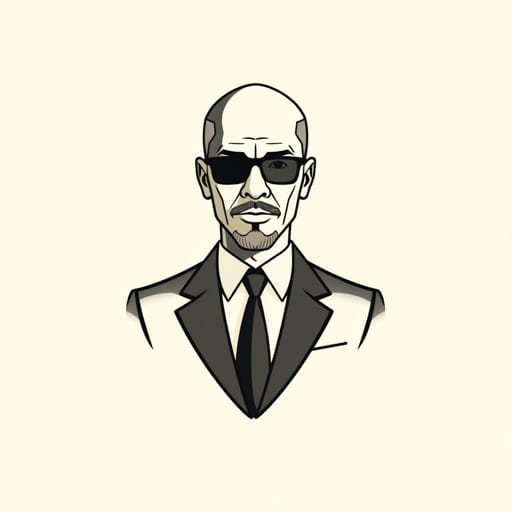
In the vibrant yet war-torn world of Far Cry 6, one of the most captivating elements is the portrayal of the main antagonist, Antón Castillo. Played by the talented Giancarlo Esposito widely known for his role as Gus Fring in Breaking Bad Castillo is a dictator whose calm demeanor masks a dangerous and oppressive rule over the fictional Caribbean island of Yara. The resemblance between Gus Fring and Antón Castillo has not gone unnoticed by fans, sparking comparisons that deepen the intrigue of Far Cry 6’s storyline. Esposito’s performance brings a chilling intensity to the role, making Castillo one of the most memorable villains in the Far Cry franchise.
Giancarlo Esposito: From Gus Fring to Antón Castillo
Iconic Legacy of Gus Fring
Before stepping into the world of Far Cry 6, Giancarlo Esposito had already become a cultural icon through his portrayal of Gustavo ‘Gus’ Fring in Breaking Bad and Better Call Saul. Gus was known for his quiet intensity, calculated decisions, and dual persona a charming businessman on the surface, but a ruthless criminal mastermind behind the scenes. This duality made Gus Fring one of television’s most complex villains.
The similarities between Gus and Antón Castillo are evident: both are composed, intelligent, and rule through fear masked by civility. This overlap creates a fascinating experience for players who enter Yara already familiar with Esposito’s iconic roles.
Transition to Far Cry 6
In Far Cry 6, Esposito’s character is not a drug lord but a political tyrant. Antón Castillo serves as the President of Yara, a man obsessed with restoring his country to its former glory. Through oppressive control, propaganda, and violent military force, Castillo aims to mold Yara into his ideal version of paradise. Esposito brings gravitas to the role, balancing charisma with cruelty, and embodying the same dangerous calmness that made Gus Fring so compelling.
Antón Castillo’s Role in Far Cry 6
The Dictator of Yara
Antón Castillo rules Yara with an iron fist. As the main antagonist of Far Cry 6, his character drives the narrative and motivates the player’s rebellion. Castillo’s goal is to purify and rebuild Yara by eliminating anyone who opposes his vision. To achieve this, he relies on a totalitarian regime that suppresses freedom, censors information, and brutally punishes dissent.
The storyline centers on Castillo’s relationship with his son, Diego, whom he grooms to become his successor. This father-son dynamic adds emotional depth to the game, offering moments of reflection and tension that go beyond the standard dictator trope. Esposito’s delivery captures a sense of cold paternalism that mirrors Gus Fring’s mentorship of Jesse Pinkman, though in a more political and ideological context.
Influence on Gameplay
Castillo’s presence is felt throughout the game. Even when he’s not on screen, his influence looms over every aspect of life in Yara. Propaganda posters, military checkpoints, and public broadcasts ensure that players are constantly reminded of the power he holds. Missions often revolve around dismantling his operations, freeing oppressed citizens, and striking at the regime’s core infrastructure.
Psychological Warfare and Control
Unlike the chaotic villains of previous Far Cry titles, Antón Castillo represents a more organized and calculated form of evil. His use of psychological tactics, economic manipulation, and state-sponsored violence paints a portrait of a ruler who doesn’t just react he plans. This makes the conflict feel more like a chess match than an all-out brawl, offering a change of pace that feels deliberate and intense.
Comparing Gus Fring and Antón Castillo
Similarities in Character
- Calm Intensity: Both characters maintain a composed exterior, even while committing violent acts or issuing threats.
- Manipulation: They excel at manipulating others, using charm and intellect to control people and situations.
- Power Through Fear: Whether it’s a fast-food chain fronting a drug empire or a nation under military rule, both use fear to maintain order.
Key Differences
- Scope of Control: Gus operated in the criminal underworld, while Antón controls an entire country.
- Motivation: Gus was driven by profit and precision. Castillo is driven by legacy, nationalism, and ideology.
- Personal Relationships: Gus remained distant from most, while Castillo’s dynamic with his son adds a personal dimension to his character.
Impact on the Far Cry Series
Redefining the Antagonist Role
Each Far Cry game is defined in part by its villain. From Vaas Montenegro in Far Cry 3 to Joseph Seed in Far Cry 5, each antagonist brought their own style of madness. Antón Castillo breaks the mold by being cold, focused, and political. His portrayal is less about chaos and more about structure, strategy, and vision however twisted it may be.
Esposito’s performance elevates Far Cry 6, providing a grounded yet powerful force for the player to fight against. This shift in villain archetype brings a refreshing evolution to the franchise, pushing the narrative toward more complex political and emotional themes.
Performance-Centered Storytelling
Far Cry 6 takes full advantage of Esposito’s acting chops. The game uses cinematic cutscenes and realistic facial capture to convey subtle emotions, quiet anger, and powerful speeches. These storytelling tools help players feel connected to the events unfolding, making the conflict more personal and the stakes more believable.
Fan Reactions and Cultural Significance
High Expectations and Mixed Reviews
Giancarlo Esposito’s involvement brought significant attention to Far Cry 6 even before its release. Fans of Breaking Bad eagerly anticipated seeing how his performance would translate into a video game. While some critics felt the game didn’t fully capitalize on his talents, others praised his presence as the emotional anchor of the narrative.
The comparisons to Gus Fring continue to dominate discussions among fans, with many appreciating the similarities while acknowledging that Antón Castillo is a distinct and unique character. The fact that the actor can convincingly embody both roles speaks to his talent and the strength of the game’s writing and direction.
Lasting Impression
Regardless of personal opinions on the game’s mechanics or mission structure, few can deny the cultural impact of casting Esposito. His performance helped solidify Far Cry 6’s identity and gave the game a memorable and iconic face. As time passes, Antón Castillo may join the ranks of gaming’s most compelling villains, not just for his actions, but for the chilling calm with which he carries them out.
Far Cry 6 offers players a compelling and politically charged narrative centered around the powerful character of Antón Castillo, brilliantly portrayed by Giancarlo Esposito. While fans may initially draw comparisons to Gus Fring, Castillo stands on his own as a formidable and ideologically driven dictator. His presence elevates the game beyond standard action fare, blending emotional complexity with the thrill of rebellion. In the landscape of video game antagonists, Antón Castillo is a standout example of how strong voice acting and character design can leave a lasting impression and with Esposito at the helm, the legacy of Far Cry villains continues to evolve in bold, unforgettable ways.