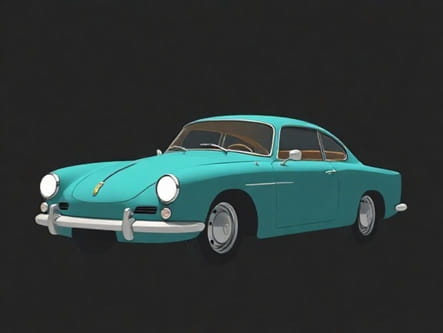
Fergus rules the brazen cars is a line from a poem by W. B. Yeats titledWho Goes With Fergus?, a lyrical and symbolic piece that reflects on leadership, escape, and the conflict between the worldly and the mystical. The phrase itself has a rich and layered meaning that invites interpretation from mythological, literary, and psychological perspectives. Fergus, as invoked by Yeats, is not just a historical or mythological king, but a symbol of inner transformation and the tension between mortal life and spiritual detachment. This topic will explore what this enigmatic line means and why it continues to resonate in literature and beyond.
Understanding the Context of the Poem
W. B. Yeats and Irish Mythology
To fully appreciate the meaning of Fergus rules the brazen cars, we must first consider W. B. Yeats’s deep fascination with Irish mythology and mysticism. Yeats frequently invoked ancient Irish kings and legends to create symbolic frameworks that reflected his spiritual beliefs and philosophical concerns.
In Irish legend, Fergus mac Róich was a warrior-king who gave up his throne to follow a spiritual path. He chose exile and inner peace over power and conflict. In Yeats’s poem, Fergus becomes a figure of ascetic wisdom, standing in contrast to the passionate, often chaotic nature of youthful desire and political ambition.
The Structure and Themes of Who Goes With Fergus?
The poem itself is short but deeply symbolic. It urges the reader to leave the fiery minds and follow Fergus into a realm beyond turmoil. The brazen cars may symbolize war chariots or instruments of authority, representing the burdens and responsibilities of worldly rule. Yet Fergus rules them not through force, but through a kind of spiritual sovereignty. He is the king who has mastered both inner and outer conflict.
Interpreting Brazen Cars
Literal and Figurative Meanings
The term brazen cars can be interpreted in several ways. Literally, it might refer to bronze chariots, drawing on images from Celtic warfare and nobility. Figuratively, it suggests instruments of power and ambition objects forged from metal, suggesting strength, but also coldness and rigidity. They may symbolize the material aspects of life wealth, fame, conflict, and duty.
Symbolic Connotations
- Material powerBrazen cars are symbols of authority and control, often associated with war and governance.
- Passion and turmoilBrazen can also mean bold or shameless, hinting at the reckless energy of youth and desire.
- Spiritual detachmentFergus’s rule over them suggests not indulgence, but mastery. He is not controlled by worldly passion but has transcended it.
Fergus as a Symbolic Figure
Fergus and Detachment
In Yeats’s work, Fergus represents the ideal of calm wisdom, the soul that has left behind the chaos of the world. His rule is not one of tyranny or conquest but of internal discipline and spiritual insight. Following Fergus, then, is an invitation to reject superficial values and to pursue a more meaningful, introspective life.
The Contrast with Youthful Desire
The poem is often interpreted as a call for young people especially lovers or revolutionaries to renounce emotional extremes and discover serenity in detachment. Yeats was keenly aware of the conflicts between personal passion and national duty, between love and spiritual growth. Fergus becomes the mediator, the guide away from burning desires toward enduring wisdom.
Who Goes With Fergus? in Yeats’s Broader Work
Use in Ulysses by James Joyce
One reason the line Fergus rules the brazen cars remains famous is its use in James Joyce’s novelUlysses. The character Stephen Dedalus quotes it as part of his inner struggle between rational thought and poetic imagination. In this context, Fergus becomes a symbol of artistic inspiration and philosophical contemplation another way of stepping back from the noise of the world.
Yeats’s Spiritual Philosophy
Yeats was involved in various mystical and esoteric traditions, including the Hermetic Order of the Golden Dawn. His poems often feature the interplay of fate, spirit, and transformation. Fergus, like other characters in his poetry, represents a soul archetype a timeless seeker who has conquered earthly distractions and found a higher calling.
Relevance in Modern Times
Psychological Interpretation
From a psychological point of view, Fergus rules the brazen cars can represent the conscious mind gaining control over unconscious drives. The brazen cars might be seen as Jungian shadows desires and impulses that must be acknowledged and integrated, not denied. Fergus represents the integrated self, strong yet peaceful.
A Metaphor for Leadership
In the modern world, where leadership often equates to power struggles and material control, Fergus stands as a metaphor for a wiser form of governance. Ruling the brazen cars might mean taking responsibility without letting ego and ambition take over. His rule is silent, steady, and mindful an ideal worth striving for in both personal and political life.
Fergus rules the brazen cars is more than a poetic flourish; it is a phrase loaded with meaning and symbolism. Fergus embodies wisdom, self-mastery, and spiritual depth. The brazen cars represent the chaos and burden of worldly life, which he governs not with brute force, but with insight and serenity. W. B. Yeats uses this line to create a timeless image of transcendence a call to leave behind fire and fury in pursuit of quiet strength. In literature, in life, and in philosophy, this line continues to echo, reminding us that true leadership begins within.