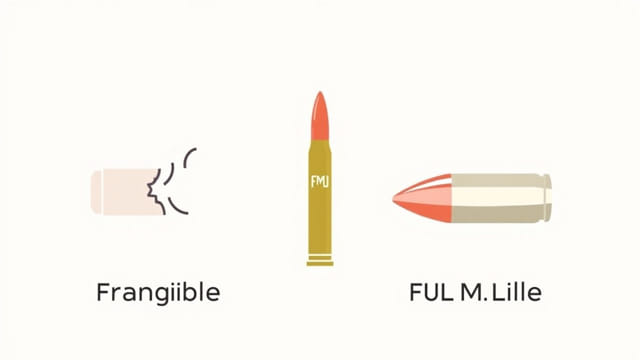
When discussing different types of ammunition, the debate between frangible ammo and full metal jacket (FMJ) rounds is a common one among firearm enthusiasts, self-defense advocates, and law enforcement professionals. These two types of bullets serve distinct purposes and perform very differently upon impact. Understanding their construction, use cases, and terminal effects is crucial for anyone serious about firearms. The differences in how each type behaves in real-world scenarios can influence safety, effectiveness, and even legal considerations depending on where and how they’re used.
Understanding Frangible Ammunition
What Is Frangible Ammo?
Frangible ammunition is designed to disintegrate into powder upon impact with hard surfaces. It is made from compressed powdered metals, usually copper or a copper alloy, that shatter when they strike a target. This prevents ricochets and over-penetration, making it a preferred choice in certain tactical or indoor training situations.
Advantages of Frangible Ammo
- Reduced Risk of Ricochet: Ideal for close-quarters training or steel target shooting, frangible bullets are safer as they minimize the chances of bounce-back.
- Cleaner Training Environment: Since there is less fragmentation, especially indoors, frangible rounds generate fewer airborne lead ptopics.
- Limited Penetration: This can be a major benefit in crowded or confined areas where bullet over-penetration could harm bystanders.
Limitations of Frangible Ammo
- Reduced Barrier Penetration: Frangible rounds are not effective against barriers such as car doors, glass, or thick clothing.
- Less Stopping Power: In defensive or combat scenarios, they may not create deep wound channels, especially against tough targets.
What Is FMJ Ammo?
Structure of FMJ Rounds
Full metal jacket ammunition consists of a lead core encased in a harder metal shell, typically copper or brass. FMJ rounds are standard for military and range training due to their reliable feeding, accuracy, and relatively low cost.
Benefits of FMJ Ammo
- Deep Penetration: FMJs can pass through barriers and continue to penetrate soft tissue, which can be advantageous in combat or certain tactical scenarios.
- Affordable and Widely Available: These rounds are cost-effective and easy to find in various calibers, making them ideal for range practice.
- Consistent Performance: FMJ bullets offer uniform weight distribution and stability in flight, enhancing accuracy.
Disadvantages of FMJ Ammo
- Risk of Over-Penetration: In a civilian setting or home defense, FMJ bullets may pass through the intended target and pose a danger to others nearby.
- Ricochet Potential: Compared to frangible ammo, FMJs are more likely to bounce off hard surfaces, which can be hazardous in close-quarters environments.
Frangible Ammo vs FMJ: Key Differences
Ballistic Performance
Frangible bullets are designed to break apart on contact with a solid object, which reduces the risk of collateral damage but limits their ability to penetrate barriers. FMJ rounds, in contrast, are designed for durability and penetration, making them more suitable for long-range shooting or combat use.
Training Applications
In training environments, particularly indoor ranges with steel targets, frangible ammunition is often favored due to safety reasons. FMJ bullets are more suited for outdoor ranges and standard paper or cardboard targets where ricochet is not a concern.
Self-Defense Considerations
In a self-defense situation, the use of FMJ ammo may not always be ideal due to the risk of over-penetration. Frangible bullets, which disintegrate on impact, reduce this risk but may lack the stopping power needed to neutralize a threat effectively. Many personal defense experts recommend hollow point rounds for self-defense, but if limited to a choice between frangible and FMJ, frangible may be safer in densely populated or indoor environments.
Cost and Accessibility
FMJ ammo is generally less expensive and easier to find in bulk, making it the default choice for many gun owners. Frangible ammunition, due to its specialized manufacturing process, tends to be more expensive and less commonly stocked.
Use Cases for Each Type
When to Use Frangible Ammo
- Indoor range training
- Shooting steel targets
- Scenarios where over-penetration is a risk
- Close-quarter tactical training
When to Use FMJ Ammo
- General range practice
- Outdoor shooting environments
- Military or tactical applications
- Situations requiring penetration through barriers
Environmental and Safety Impacts
Lead Exposure
One major advantage of frangible rounds, especially those made without lead, is their environmentally friendly composition. FMJ bullets often contain lead, which can vaporize upon firing and pose health hazards in poorly ventilated shooting areas.
Target Safety
For range operators and trainers, using frangible ammo means less risk of injury from ricochets. This makes them more suitable for high-traffic training facilities, especially those using reactive targets or shooting at unconventional angles.
Choosing between frangible ammo and FMJ depends largely on the intended use. Frangible ammunition excels in close-quarters, indoor training, and scenarios where minimizing ricochet and over-penetration is critical. FMJ rounds, on the other hand, are best suited for general range use, tactical shooting, and when barrier penetration is necessary. Each ammunition type brings its own strengths and weaknesses to the table, and understanding these differences helps shooters make better decisions for safety, performance, and cost-effectiveness. Whether you’re training, competing, or preparing for self-defense, knowing when to use frangible ammo vs FMJ can make a significant impact on both safety and success.