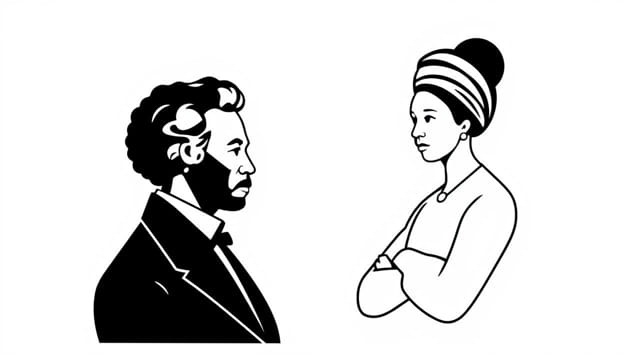
Frederick Douglass and Sojourner Truth were two of the most powerful voices in the fight against slavery and for equal rights in the 19th century United States. Born into bondage, they both overcame immense obstacles to become renowned public speakers, writers, and advocates for freedom, justice, and human dignity. Their contributions helped shape not only the abolitionist movement but also early struggles for women’s rights and social reform. Understanding their lives, work, and legacy offers a compelling look into American history and the enduring struggle for civil rights.
Early Life and Enslavement
Frederick Douglass
Born around 1818 in Talbot County, Maryland, Frederick Douglass was separated from his mother at an early age and never knew the identity of his father. He experienced the brutal realities of slavery firsthand, including physical violence, forced labor, and the denial of education. Despite these hardships, Douglass secretly learned to read and write, an act of defiance that would eventually fuel his path to liberation and activism.
Sojourner Truth
Sojourner Truth, born Isabella Baumfree in 1797 in New York, was also born into slavery. She was sold multiple times and endured harsh treatment, including being separated from her family. Unlike Douglass, she did not learn to read or write, yet her powerful oratory and deeply spiritual message resonated with audiences. Truth gained her freedom in 1826, one year before New York abolished slavery, and later changed her name to reflect her mission to speak truth and justice.
Escape and Transformation
Douglass’s Journey to Freedom
Frederick Douglass escaped slavery in 1838 by boarding a train to the North disguised as a sailor. Settling in Massachusetts, he became involved with the abolitionist movement and quickly gained recognition for his eloquence. In 1845, he published his first autobiography,Narrative of the Life of Frederick Douglass, an American Slave, which became a key document in the anti-slavery movement.
Truth’s Calling and Name Change
After gaining her freedom, Sojourner Truth felt called by a spiritual vision to travel and preach. In 1843, she took on the name Sojourner Truth and began her work as an itinerant preacher. Her speeches, often laced with biblical references and passionate appeals to justice, challenged both slavery and the oppression of women. Her message reached audiences across the Northeast and beyond.
Role in the Abolitionist Movement
Frederick Douglass as a Writer and Editor
Douglass became one of the most prominent black intellectuals of his time. He founded and edited several newspapers, includingThe North Star, which provided a platform for anti-slavery and civil rights discourse. He used his powerful writing skills to argue that slavery was not only a moral evil but also a contradiction to the principles of American democracy.
Sojourner Truth as a Public Speaker
Despite being illiterate, Sojourner Truth captivated audiences with her powerful storytelling and personal testimony. Her most famous speech, ‘Ain’t I a Woman?’, delivered in 1851 at the Women’s Convention in Akron, Ohio, remains a cornerstone in both the abolitionist and feminist canons. She linked the struggles of black women to both racial and gender injustice, challenging prevailing notions of inferiority and exclusion.
Advocacy for Women’s Rights
Douglass and Women’s Suffrage
Frederick Douglass was an early and vocal supporter of women’s suffrage. He attended the Seneca Falls Convention in 1848 and was the only African American male to publicly endorse the Declaration of Sentiments, which demanded equal rights for women. He believed that true equality must include both racial and gender justice, although he sometimes faced criticism from fellow activists for prioritizing black male suffrage after the Civil War.
Truth’s Feminist Vision
Sojourner Truth remained a steadfast advocate for women, particularly poor and black women who were often ignored by the mainstream feminist movement. Her speeches addressed the unique burdens faced by black women, including labor exploitation, lack of education, and systemic discrimination. She believed in a universal struggle for justice that transcended race and gender.
Legacy and Influence
Douglass’s Lasting Contributions
Frederick Douglass continued to fight for justice after the Civil War. He held several public positions, including U.S. Marshal and Minister to Haiti, and remained active in civil rights debates until his death in 1895. His autobiographies, especially his 1881 workLife and Times of Frederick Douglass, remain vital historical texts that provide insight into the black experience and the American journey toward freedom.
Truth’s Enduring Voice
Sojourner Truth died in 1883, but her legacy lives on through her speeches and activism. Though she never wrote her own memoirs, her dictated autobiography,The Narrative of Sojourner Truth, offers a compelling portrait of her courage and determination. She remains a symbol of resilience, spiritual conviction, and uncompromising truth-telling in the face of injustice.
Common Goals and Unique Approaches
Shared Vision of Freedom
Both Frederick Douglass and Sojourner Truth believed deeply in human dignity, equality, and justice. Their work was rooted in personal experience and a vision of a better America. They used different means Douglass through the written word and political advocacy, Truth through oral testimony and spiritual appeal but shared a common goal: the end of slavery and the advancement of human rights.
Differences in Perspective
While their missions aligned, Douglass and Truth sometimes differed in approach. Douglass embraced political institutions and worked within them to effect change. Truth, on the other hand, relied on her faith and personal charisma to sway hearts and minds. These differences illustrate the diversity within the abolitionist movement and the multifaceted nature of the struggle for equality.
Honors and Memorials
- Statues of Frederick Douglass stand in Washington, D.C., and New York, commemorating his contributions to American democracy.
- Sojourner Truth has been honored with a statue in the U.S. Capitol, making her the first African American woman to receive such recognition.
- Schools, streets, and organizations across the country bear their names, continuing their legacy in everyday life.
Frederick Douglass and Sojourner Truth were giants of their time fearless, visionary, and profoundly influential. Their voices still echo in today’s conversations about race, gender, and justice. They taught future generations the value of courage, truth, and activism in the face of oppression. Their lives prove that ordinary individuals, grounded in moral conviction, can transform history. Their example challenges us to continue the work they began, building a more just and inclusive society for all.