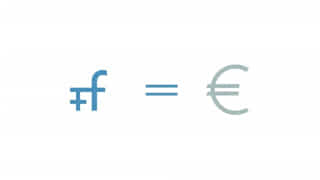
Converting currency from the Swiss franc (CHF) to the euro (EUR) is a common financial transaction across Europe and beyond, affecting tourists, businesses, investors, and expatriates alike. The Swiss franc is renowned for its stability and status as a safe-haven currency, while the euro serves as the primary currency for many countries within the Eurozone, making this exchange pair highly significant. Understanding the dynamics of the CHF to EUR exchange rate, including what influences it and how to navigate the conversion process, is essential for optimizing financial outcomes and minimizing costs associated with currency exchange.
Basics of Swiss Franc to Euro Exchange Rate
The exchange rate between the Swiss franc and the euro reflects how many euros one can obtain in exchange for a single Swiss franc. This rate fluctuates constantly based on market conditions, economic indicators, geopolitical events, and central bank policies. Both CHF and EUR are widely traded currencies with deep liquidity, but their values are influenced by different economic contexts.
Historical Relationship Between CHF and EUR
The Swiss franc has traditionally been a strong currency, backed by Switzerland’s robust financial system and political stability. The euro, introduced in 1999, united multiple European economies under a single currency, enhancing trade and investment within the Eurozone. The CHF/EUR exchange rate has seen significant changes over time, influenced by factors such as the European debt crisis, Swiss National Bank interventions, and broader economic cycles.
- Before the euro’s launch, the franc was compared to individual European currencies such as the Deutsche Mark and French franc.
- After 1999, the exchange rate stabilized somewhat but remained sensitive to Eurozone economic developments.
- Notable events, including the Swiss National Bank’s decision in 2015 to remove the franc’s peg to the euro, caused abrupt shifts in the exchange rate.
Key Factors Affecting CHF to EUR Exchange Rate
Several factors determine the movement of the Swiss franc relative to the euro. Understanding these drivers can help individuals and businesses better anticipate changes and plan currency conversions accordingly.
Monetary Policies of the Swiss National Bank and European Central Bank
The monetary policies set by the Swiss National Bank (SNB) and the European Central Bank (ECB) play pivotal roles. Interest rate decisions, quantitative easing measures, and currency interventions by these institutions influence currency supply and demand.
Economic Performance and Indicators
Economic data such as GDP growth, inflation, unemployment, and trade balances in Switzerland and the Eurozone directly impact investor confidence. A stronger Swiss economy relative to the Eurozone usually results in a stronger franc against the euro, and vice versa.
Safe-Haven Demand and Market Sentiment
During times of global financial uncertainty or geopolitical tensions, investors often flock to the Swiss franc due to its reputation as a safe-haven currency. This demand can cause the franc to appreciate against the euro. Conversely, in periods of stability and growth, the euro might gain strength.
Trade Relationships and Capital Flows
Switzerland’s trade ties with Eurozone countries mean that cross-border trade balances and capital flows affect currency valuations. Large volumes of trade and investment between these regions influence demand for both currencies.
Practical Uses of the Swiss Franc to Euro Exchange Rate
This exchange rate matters to a variety of stakeholders, from tourists and expatriates to multinational corporations and investors.
Tourists and Travelers
For travelers from Switzerland visiting Eurozone countries, understanding the CHF to EUR rate helps in budgeting trips. A favorable rate means getting more euros for their francs, which can reduce travel expenses on accommodation, dining, and shopping.
Businesses Engaged in Cross-Border Trade
Swiss exporters and importers with partners in the Eurozone face currency risk when payments are made in a foreign currency. Monitoring the CHF/EUR rate allows these businesses to hedge risks and optimize contract terms.
Investors and Currency Traders
Investors holding assets denominated in euros or francs pay close attention to exchange rate trends to maximize returns or limit losses. Forex traders, in particular, actively trade the CHF/EUR pair due to its liquidity and volatility.
How to Exchange Swiss Francs to Euros
When converting Swiss francs to euros, there are several options available, each with its pros and cons.
- Banks: Swiss and European banks provide currency exchange services, often offering secure transactions but sometimes with higher fees or less favorable rates.
- Currency Exchange Offices: Specialized exchange bureaus can offer competitive rates, especially in tourist hubs, but it’s important to compare fees.
- Online Currency Exchange Platforms: Increasingly popular for convenient, real-time currency conversion with transparent fees and competitive rates.
- ATMs Abroad: Using Swiss bank cards in Eurozone ATMs is common, but users should be aware of withdrawal fees and exchange rate markups.
Tips for Getting the Best Swiss Franc to Euro Exchange Rate
- Compare rates and fees across multiple providers before exchanging.
- Avoid exchanging currency at airports or hotels where rates tend to be less favorable.
- Consider timing the exchange during favorable market conditions or when the franc is strong relative to the euro.
- Use online tools and apps to monitor real-time exchange rates and set alerts for good conversion opportunities.
Future Outlook for CHF to EUR Exchange Rate
Looking ahead, the Swiss franc to euro exchange rate will continue to be shaped by economic policies, geopolitical developments, and market sentiment.
The Eurozone’s efforts to stabilize and grow its economy post-pandemic, address inflation, and navigate political challenges will influence the euro’s strength. Meanwhile, Switzerland’s economic resilience, monetary policy stance, and external factors such as global financial markets will determine the franc’s value.
Given Switzerland’s unique position outside the European Union but closely integrated economically, the CHF/EUR rate remains a critical barometer of regional economic health and cross-border financial activity.
The Swiss franc to euro exchange rate is more than just a number; it represents the economic interaction and financial flows between Switzerland and the Eurozone. Whether you are planning a trip, managing business transactions, or investing across borders, understanding how this currency pair behaves can help you make better decisions and save money. By staying informed about the factors that drive exchange rate fluctuations and choosing the right method to convert currency, individuals and companies can navigate the complexities of foreign exchange with greater confidence and efficiency.