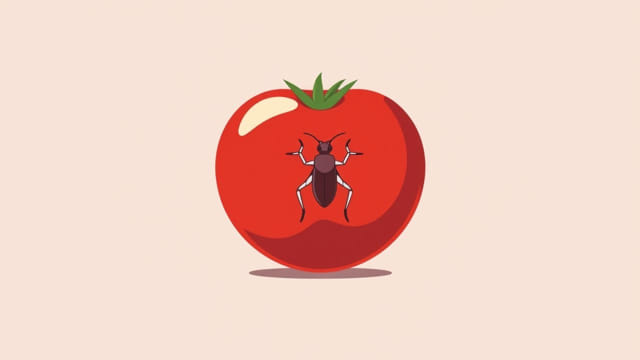
Tomato cultivation can be highly rewarding, but it comes with its challenges. Among the most destructive pests in tomato farming is the fruit borer, a notorious insect that causes serious damage to crops worldwide. The tomato fruit borer not only affects the appearance of the fruit but also significantly reduces yield and market value. Understanding this pest, its life cycle, damage symptoms, and effective management strategies is crucial for any tomato grower aiming to produce healthy, high-quality tomatoes consistently.
Understanding the Tomato Fruit Borer
Scientific Name and Classification
The tomato fruit borer is scientifically known as *Helicoverpa armigera*. It is also commonly referred to as the cotton bollworm or American bollworm. This pest is a moth in the Noctuidae family, with a larval stage that causes the primary damage to tomato plants.
Distribution and Habitat
This insect is widely distributed across Asia, Africa, Australia, and parts of Europe. It thrives in warm and tropical climates, making it a common threat in regions where tomatoes are cultivated year-round or during the warmer months.
Life Cycle of the Fruit Borer
Understanding the life cycle of the fruit borer helps in targeting it during its most vulnerable stages.
- Egg stage: Adult female moths lay eggs on tomato leaves, flower buds, or small fruits. Each female can lay hundreds of eggs during her short lifespan.
- Larval stage: The caterpillar hatches and immediately begins feeding. This stage is responsible for the major damage to the fruit.
- Pupal stage: After feeding and growing through several instars, the larvae fall to the ground and pupate in the soil.
- Adult stage: Moths emerge from the soil and begin the cycle again, usually taking 30 to 40 days depending on environmental conditions.
Damage Caused by Fruit Borer in Tomato
Visible Symptoms
Infestation signs can vary, but some common indicators include:
- Holes in tomato fruits with frass (insect excreta) around the entry point
- Feeding damage on young leaves and flower buds
- Premature dropping of affected fruits
- Larvae visibly feeding inside the fruit, rendering it unsellable
Even a small number of fruit borer larvae can cause extensive damage, making timely detection essential.
Economic Impact
Fruit borers can cause up to 60% crop loss in unmanaged fields. This significantly affects smallholder farmers who depend on tomato sales as a primary income source. Quality degradation also means fruits may be rejected by buyers, leading to additional losses.
Monitoring and Early Detection
Scouting Techniques
Regular monitoring is essential. Farmers should inspect tomato plants at least twice a week during the fruiting stage. Look for signs of eggs, larvae, or small holes in the fruit.
Pheromone Traps
Pheromone traps are useful for early detection of adult moths. Hanging these traps at crop height helps capture and count moths, which can signal when to begin preventive measures.
Integrated Pest Management (IPM) for Fruit Borer
Relying solely on chemical control is not sustainable. An integrated approach combining cultural, mechanical, biological, and chemical methods ensures effective and eco-friendly management.
Cultural Methods
- Rotate crops with non-host species like onions or beans to break the pest’s life cycle.
- Destroy infested fruits and plant residues after harvest to reduce larval populations.
- Plant trap crops like marigolds or chickpeas around tomato fields to attract moths away from tomatoes.
Mechanical Methods
- Handpick and destroy larvae and damaged fruits during early stages of infestation.
- Use light traps to attract and kill adult moths during night hours.
Biological Control
- Encourage natural enemies such as parasitoids (*Trichogramma spp.*) and predators like ladybird beetles.
- Apply microbial biopesticides such as *Bacillus thuringiensis* (Bt) and nuclear polyhedrosis virus (NPV) which specifically target larvae without harming beneficial insects.
Chemical Control
When infestation levels are high, selective insecticides can be used. However, excessive use leads to resistance and kills beneficial organisms.
- Use insecticides like spinosad or emamectin benzoate as a last resort.
- Always rotate chemicals to prevent resistance buildup.
- Apply sprays in the evening when larvae are most active.
Precautions During Chemical Use
Safe pesticide application is vital to protect health and the environment.
- Wear protective clothing, gloves, and masks when spraying.
- Do not spray near water sources or during windy conditions.
- Follow recommended waiting periods before harvesting.
Resistance Management
Continuous use of the same chemical can lead to resistant pest populations. Resistance management involves:
- Alternating chemical classes between spray cycles
- Incorporating non-chemical methods as much as possible
- Monitoring pest populations and reducing unnecessary applications
New Advances in Fruit Borer Control
Genetic and Biotech Approaches
Researchers are working on genetically modified tomato varieties that are resistant to pests like the fruit borer. While still under review in many countries, these technologies show promise in reducing pesticide dependence.
Smart Farming Tools
Mobile apps and remote sensors now help farmers detect early pest outbreaks and guide them on suitable actions, minimizing the guesswork in pest management.
Fruit borers in tomatoes are a major concern for both small and large-scale tomato growers. By understanding their biology and damage patterns, farmers can take timely and informed steps to protect their crops. The key to long-term success lies in integrated pest management combining cultural practices, biological tools, and judicious chemical use. With consistent monitoring and smart interventions, tomato growers can minimize losses and improve crop quality, ensuring sustainable and profitable farming.