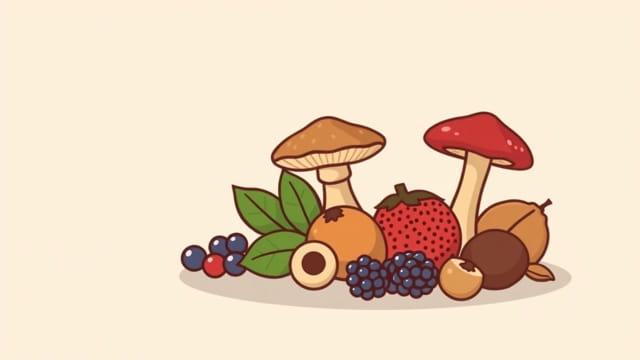
Foraging is an ancient practice that connects people directly to nature through the act of gathering wild, edible plants and fruits. Among the most prized finds during a forage are wild fruits nature’s sweet, nutrient-rich offerings that thrive without human cultivation. These fruits of the forage offer not only delicious flavors but also a sense of adventure and sustainability. As more people seek organic, seasonal, and locally sourced foods, the interest in foraged fruits has surged, making them a fascinating and flavorful topic for home cooks, foodies, and outdoor enthusiasts alike.
Understanding Foraged Fruits
What Are Foraged Fruits?
Foraged fruits are those found growing naturally in the wild, without being planted or maintained by humans. They are often native to the area, growing in forests, fields, or even urban green spaces. These fruits can be harvested during specific seasons and vary widely by region.
Why People Forage
The reasons for foraging fruits go beyond just obtaining food. People forage for various benefits:
- Connection to nature
- Access to seasonal, organic produce
- Cost-effective food source
- Preservation of traditional knowledge
- Creative culinary exploration
Commonly Foraged Fruits
Depending on the climate and environment, popular wild fruits include:
- Blackberries
- Elderberries
- Mulberries
- Hawthorn berries
- Crabapples
- Wild strawberries
- Raspberries
- Serviceberries (Juneberries)
Health Benefits of Wild Fruits
Nutrient-Rich and Organic
Fruits of the forage are often richer in nutrients compared to their cultivated counterparts. They grow in natural conditions, without pesticides or artificial fertilizers, which preserves their vitamin and antioxidant levels.
Rich in Antioxidants
Wild berries like elderberries, blackberries, and serviceberries are known for their high antioxidant content. These compounds help fight inflammation and protect the body from oxidative stress.
High Fiber Content
Foraged fruits often contain significant amounts of dietary fiber, which supports digestive health and helps manage blood sugar levels. Fiber also promotes a feeling of fullness, making these fruits a healthy snack option.
How to Identify and Harvest Safely
Knowledge Is Key
Correctly identifying wild fruits is essential. Some toxic plants may resemble edible ones, and consuming the wrong fruit can be harmful. Use local field guides or attend foraging workshops to learn from experienced foragers.
Tips for Safe Foraging
- Only pick fruits you can positively identify.
- Avoid areas exposed to pollution or pesticides (like roadsides or industrial sites).
- Harvest sustainably never take more than you need.
- Leave some fruit behind for wildlife and natural reproduction.
- Wash all foraged fruits thoroughly before eating.
Seasons and Locations
Timing matters when it comes to wild fruits. Each species has a specific season when it’s ripe and ready for harvest. For example:
- Spring: Wild strawberries, salmonberries
- Summer: Blackberries, raspberries, mulberries
- Late summer to fall: Elderberries, crabapples, hawthorn berries
Culinary Uses of Foraged Fruits
Preserving the Harvest
Many wild fruits have short seasons, so preserving them allows you to enjoy their flavors year-round. Popular methods include:
- Jam and jelly making
- Dehydration or air-drying
- Freezing
- Infusions (such as in vinegars, syrups, or alcohol)
Cooking and Baking
Foraged fruits can be used in many ways in the kitchen. Their rich, sometimes tart flavors are ideal for both sweet and savory dishes:
- Wild berry pies or tarts
- Crabapple chutney
- Elderberry syrup for pancakes or yogurt
- Mulberry muffins or cakes
Fresh Snacking and Beverages
When ripe, many foraged fruits can be enjoyed raw. You can also use them in smoothies, salads, or infused water. They add a burst of natural flavor without added sugars.
Sustainability and Environmental Benefits
Supporting Local Ecosystems
Foraging promotes environmental awareness. By observing where and how wild fruits grow, people become more connected to local ecosystems and seasonal cycles.
Encouraging Biodiversity
Wild fruit plants often support pollinators and wildlife. When these plants are preserved and appreciated through foraging, it helps maintain ecological diversity.
Low-Impact Food Source
Foraged fruits do not require the same resources as industrial agriculture. There’s no need for irrigation, pesticides, or transport over long distances, making them a sustainable food source.
Regional Examples of Fruits of the Forage
North America
- Blackberries (Rubus spp.) found along trails and forest edges
- Serviceberries, sweet and nutty, found in temperate forests
- Elderberries, used in syrup and wine
Europe
- Sloes (Prunus spinosa) used for making sloe gin
- Hawthorn berries for jellies and heart-healthy teas
- Wild raspberries common in hedgerows
Asia
- Japanese wineberries, tangy and bright red
- Wild persimmons, sweet when fully ripe
- Mulberries, often found near rural pathways
Modern Trends in Foraged Fruits
Farm-to-Table and Wild Ingredients
Restaurants and chefs are embracing foraged ingredients as a way to showcase local flavors and support eco-conscious dining. Wild fruits add unique flavors that can’t be replicated by store-bought produce.
Urban Foraging
Foraging is not limited to rural areas. In cities, people gather fruits from community gardens, abandoned lots, or parks. With the right guidance and respect for local laws, urban foraging can be rewarding and safe.
Community Foraging Events
Guided walks and festivals celebrate wild food gathering. These events educate the public and connect people with traditional food sources that are often overlooked.
Rediscovering the Fruits of the Forage
Fruits of the forage offer more than just nourishment they provide a connection to the land, a source of sustainable food, and a window into local biodiversity. From elderberries to wild strawberries, these hidden gems of nature add flavor, health benefits, and meaning to the food we eat. Whether you’re venturing into the forest or exploring your neighborhood park, foraged fruits invite curiosity, creativity, and care. By learning to recognize, harvest, and enjoy these fruits responsibly, we honor both the earth and the traditions of those who came before us. Start small, stay safe, and enjoy the natural bounty waiting just beyond the trail.