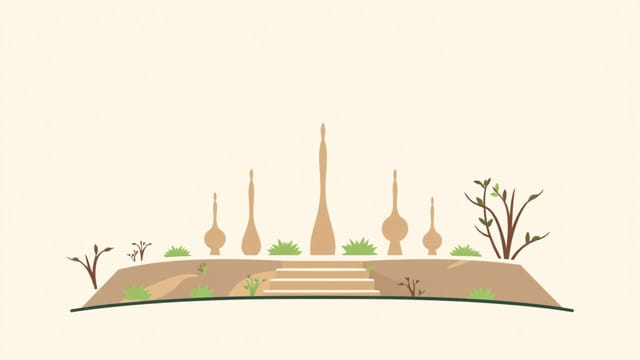
Nestled in the peaceful hills of Bhutan, a tiny Himalayan kingdom known for its Gross National Happiness and deep-rooted Buddhist traditions, lies one of its most unusual and intriguing attractions the Garden of Phallus. Though it may raise eyebrows at first glance, this site reflects Bhutan’s unique spiritual practices, ancient symbolism, and deep cultural reverence for fertility and protection. The phallus in Bhutan is not a vulgar image, but a sacred emblem that has been part of the nation’s heritage for centuries, closely tied to the legacy of a revered saint known as the Divine Madman. The Garden of Phallus offers a fascinating insight into Bhutanese beliefs and artistic expression, showcasing how spirituality and symbolism are harmoniously woven into daily life.
The Cultural Significance of the Phallus in Bhutan
To truly understand the Garden of Phallus, one must first grasp the symbolic meaning of the phallus in Bhutanese culture. In Bhutan, the phallus is considered a powerful symbol of fertility, strength, protection, and humor. Far from being taboo, it is openly celebrated and is a common sight across the country, particularly painted on the walls of houses and carved into wooden effigies placed in fields and rooftops.
This tradition is rooted in the teachings of Drukpa Kunley, also known as the Divine Madman. A 15th-century Buddhist master, Drukpa Kunley was known for his unorthodox methods of teaching, often using outrageous behavior, including sexual symbolism, to challenge dogma and hypocrisy. He believed that laughter and spontaneity were essential to enlightenment, and he used the phallus not just as a symbol of fertility but also as a way to drive away evil spirits and purify the soul.
The Garden of Phallus: An Unusual Tourist Destination
Location and Setting
The Garden of Phallus is located near the village of Lobesa in the Punakha district of Bhutan, not far from the popular Chimi Lhakhang, the fertility temple also associated with Drukpa Kunley. This garden is an open-air space filled with hundreds of phallic statues, each crafted with care, and arranged in ways that combine reverence with a touch of humor.
Surrounded by paddy fields and lush forests, the garden is both serene and surprising. It offers a tranquil setting where visitors can reflect on the deeper spiritual meaning behind what may initially seem shocking or eccentric. The garden blends spiritual reverence with local artistry, making it a captivating stop for travelers curious about Bhutan’s cultural identity.
What to Expect When Visiting
Visitors to the Garden of Phallus can expect a truly one-of-a-kind experience. The site features phallic sculptures of all sizes and colors some standing upright, some carved into logs, others painted with bright patterns or humorous faces. Though the imagery may appear playful or even provocative, it is meant to invoke blessings, protection, and fertility, not discomfort or shame.
Some highlights include:
- Intricately carved wooden phalluses used in local rituals
- Painted phalluses depicting mythological stories and spiritual symbolism
- Prayer flags and traditional Bhutanese artwork complementing the garden’s spiritual ambiance
Guides or local villagers are often available to explain the symbolism and stories behind the displays, offering insights into the deeper meanings behind the garden’s seemingly unusual theme.
Connection to Chimi Lhakhang
The Garden of Phallus is closely tied to Chimi Lhakhang, the temple of fertility located nearby. This temple, built in honor of Drukpa Kunley, has long been a pilgrimage site for couples seeking blessings for fertility. Many who visit Chimi Lhakhang also make a stop at the garden, as both places together represent the living legacy of Bhutan’s celebration of life, fertility, and spiritual freedom.
At Chimi Lhakhang, monks bless visitors with a wooden phallus as part of a fertility ritual, continuing a centuries-old practice believed to bring good fortune and healthy offspring. The Garden of Phallus, though newer, complements this spiritual heritage by offering a public space to reflect on and appreciate the cultural roots of this tradition.
Symbolism and Artistic Expression
Art plays a central role in the expression of phallic symbolism in Bhutan. From paintings to sculptures, the representations often carry elements of whimsy, mystery, and deep spiritual meaning. These artworks are not considered erotic but are appreciated for their protective power and symbolic depth.
Bhutanese artists often depict the phallus with other sacred motifs such as dragons, lotuses, and flames, enhancing the spiritual resonance of the symbol. This artistic tradition serves both a religious purpose and a social one to educate, entertain, and inspire respect for Bhutanese customs.
Modern Perspectives and Tourist Reactions
While locals accept the phallus as a natural and spiritual part of their culture, foreign visitors often react with surprise or amusement. However, most leave with a deeper appreciation of the openness and depth of Bhutanese spiritual life. The Garden of Phallus serves as a cultural bridge, inviting travelers to step outside their own norms and consider a worldview where sexuality and spirituality coexist without shame or contradiction.
Bhutan’s commitment to preserving its traditions, including those that may seem unconventional to outsiders, adds richness and authenticity to its cultural tourism. As more travelers seek experiences rooted in genuine local customs, the Garden of Phallus has grown in popularity, not as a novelty, but as a representation of Bhutan’s bold spiritual identity.
Respecting Sacred Traditions
When visiting the Garden of Phallus or engaging with Bhutan’s fertility traditions, it’s important for visitors to approach with curiosity and respect. Photography is usually allowed, but mocking or disrespecting the symbolism is discouraged. Understanding the historical and spiritual context of the phallus in Bhutan allows for a more meaningful and enriching travel experience.
Guided tours and local hosts often share stories, legends, and personal experiences connected to the site. Many visitors find that, after learning about the beliefs behind the symbols, their initial discomfort transforms into admiration for Bhutan’s unique embrace of both playfulness and sacredness in spiritual practice.
The Garden of Phallus in Bhutan is more than just a quirky tourist spot it is a vivid symbol of Bhutanese spirituality, cultural pride, and the enduring legacy of Drukpa Kunley. In a world where such imagery is often shrouded in taboo, Bhutan offers a refreshing perspective where the phallus is seen as sacred, healing, and empowering. Visitors who approach the site with openness and respect leave with a richer understanding of the kingdom’s values, history, and artistic spirit. The Garden of Phallus invites us to celebrate life in its most honest, colorful, and spiritual form.