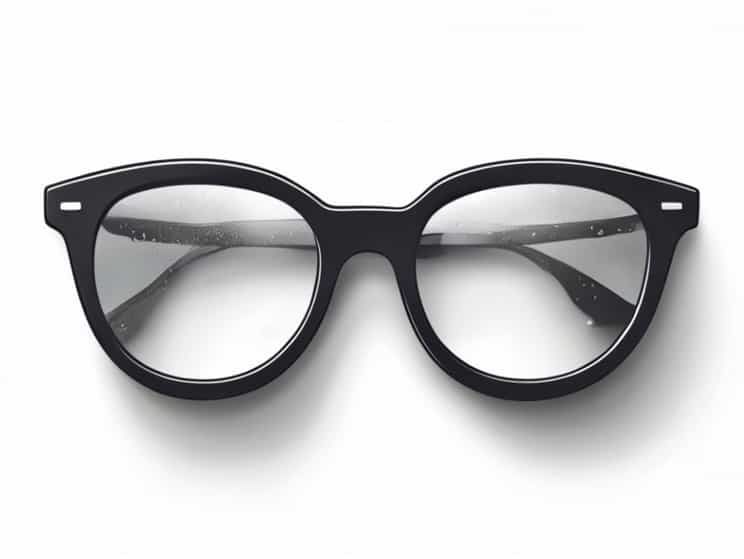
Anyone who wears glasses has experienced the sudden frustration of lenses turning cloudy when moving between different temperatures. This everyday problem is closely related to condensation, a simple physical process that can cause glasses to fog, blur vision, and even affect daily activities. Understanding what glasses do as a result of condensation helps explain why this happens so often and why certain environments make it worse. From cold weather to hot drinks and face masks, condensation plays a major role in how glasses behave.
Understanding Condensation in Simple Terms
Condensation happens when warm, moist air comes into contact with a cooler surface. The moisture in the air turns into tiny droplets of water when it cools down. These droplets collect on surfaces such as windows, mirrors, and eyeglasses.
When glasses are cooler than the surrounding air, water vapor settles on the lenses. This process happens quickly and is often unavoidable in everyday situations.
Why Glasses Fog Up
Glasses fog up because the lenses act as a cool surface. When warm air from your breath or the environment hits the lenses, the temperature difference causes condensation.
The tiny water droplets scatter light instead of allowing it to pass through clearly. This scattering is what makes the lenses look cloudy and reduces visibility.
Temperature Differences
One of the main reasons glasses fog is sudden temperature change. Walking from a cold outdoor environment into a warm indoor space creates the perfect conditions for condensation.
The lenses stay cold for a short time, while the surrounding air is warm and humid, leading to rapid fogging.
Common Situations Where Condensation Affects Glasses
Condensation can occur in many daily situations. Some are predictable, while others catch people by surprise.
Cold Weather to Warm Indoors
In winter, glasses are often cold from being outside. When entering a heated room, warm air immediately condenses on the lenses.
Wearing Face Masks
Face masks direct warm breath upward toward the lenses. This constant flow of warm, moist air increases condensation on glasses.
Hot Drinks and Cooking
Steam from coffee, tea, or cooking rises and contacts the cooler surface of the lenses, causing them to fog.
High Humidity Environments
Bathrooms, swimming pools, and rainy weather increase moisture in the air, making condensation more likely.
What Glasses Do as a Result of Condensation
When condensation forms on glasses, several things happen almost immediately. These effects go beyond simple inconvenience.
Reduced Visibility
The most obvious effect is blurred vision. Fogged lenses distort light, making it difficult to see clearly.
This can be especially dangerous while driving, walking on stairs, or performing detailed tasks.
Frequent Cleaning
Condensation causes wearers to wipe their lenses repeatedly. Over time, this can lead to smudges, scratches, and reduced lens lifespan.
Temporary Loss of Comfort
Fogged glasses can feel uncomfortable and distracting. Constant adjustments interrupt daily routines and concentration.
The Science Behind Foggy Lenses
At a microscopic level, condensation forms tiny droplets that spread unevenly across the lens surface. These droplets create an irregular surface that bends and scatters incoming light.
Unlike a smooth, dry lens that allows light to pass through cleanly, a fogged lens disrupts visual clarity.
Surface Tension and Droplet Formation
Water droplets cling to the lens due to surface tension. The shape and size of these droplets determine how much light is scattered.
Smaller droplets spread out more evenly, while larger droplets create heavier distortion.
Materials and Coatings Matter
Not all glasses react the same way to condensation. Lens materials and surface coatings can influence how condensation behaves.
Plastic vs Glass Lenses
Plastic lenses tend to adjust temperature faster than glass lenses. This can reduce or increase fogging depending on the situation.
Anti-Fog Coatings
Some lenses are treated with anti-fog coatings. These coatings help spread moisture evenly across the surface, reducing visible fog.
Instead of forming droplets, the moisture creates a thin, transparent layer.
Daily Challenges Caused by Condensation on Glasses
Condensation may seem minor, but it can create real challenges in daily life.
Safety Concerns
Fogged glasses reduce awareness and reaction time. This is especially risky when driving, cycling, or working with tools.
Social and Professional Impact
Constantly wiping glasses can be distracting in meetings, conversations, or presentations. It may also cause frustration or embarrassment.
Environmental Factors That Increase Condensation
Certain environmental conditions make condensation more frequent and intense.
- High humidity levels
- Sudden temperature changes
- Poor air circulation
- Cold lens surfaces
Understanding these factors helps explain why glasses fog more in some places than others.
How People Commonly Respond to Foggy Glasses
Most people instinctively wipe their glasses when they fog up. While effective in the short term, this does not prevent condensation from returning.
Others try adjusting masks, stepping outside, or waiting for lenses to warm up naturally.
Long-Term Effects of Repeated Condensation
Repeated condensation and cleaning can gradually affect lens quality. Micro-scratches, worn coatings, and residue buildup can reduce clarity over time.
While condensation itself does not permanently damage lenses, the habits it causes can.
Why Condensation Is Hard to Eliminate Completely
Condensation is a natural result of physics. As long as temperature differences and moisture exist, condensation will occur.
Glasses are constantly exposed to changing environments, making them especially vulnerable.
The Role of Awareness and Prevention
Understanding what glasses do as a result of condensation helps wearers anticipate and manage the problem. Awareness allows people to adjust behavior, such as giving lenses time to acclimate.
Small changes in routine can reduce how often fogging occurs.
Condensation Beyond Eyeglasses
The same process that affects glasses also impacts mirrors, camera lenses, and windows. Studying condensation on glasses provides insight into how moisture behaves on smooth surfaces.
Glasses do fog, blur, and require constant attention as a result of condensation. This happens when warm, moist air meets cooler lenses, causing water droplets to form and scatter light. While condensation is a natural and unavoidable process, understanding why it happens makes it easier to manage. From reduced visibility to daily inconvenience, condensation affects glasses in many ways, but awareness and simple adjustments can make a noticeable difference in everyday comfort and safety.