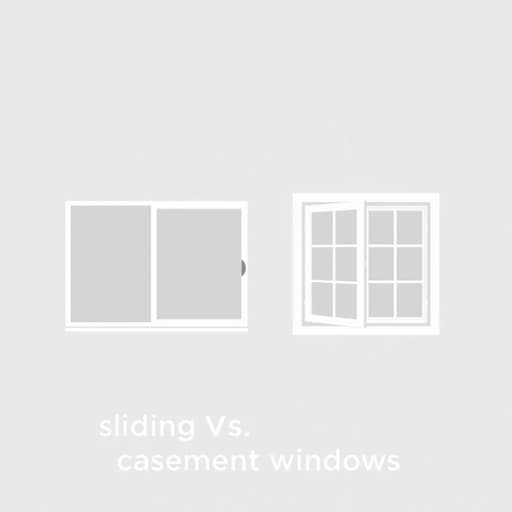
When choosing new windows for a home, the decision between gliding windows and casement windows often comes up. Both styles offer unique advantages and can dramatically influence ventilation, aesthetics, and overall home functionality. Understanding how gliding windows compare with casement windows helps homeowners and contractors make the most appropriate selection for a building’s design and location. This topic explores the differences between gliding and casement windows in terms of structure, ventilation, maintenance, cost, and aesthetics to help guide an informed choice.
Understanding Gliding Windows
How Gliding Windows Work
Gliding windows, also known as sliding windows, operate by sliding one sash horizontally past another. They typically have one fixed panel and one moveable panel, though some designs allow both sashes to slide. These windows are popular for their simple operation and modern look.
Advantages of Gliding Windows
- Space-saving design: Since they open without protruding inward or outward, gliding windows are ideal for areas with limited exterior or interior space.
- Ease of use: These windows are effortless to open and close, making them a good choice for individuals who prefer low-resistance operation.
- Unobstructed views: With large panes and minimal frames, gliding windows often provide expansive outdoor views and allow more natural light inside.
Potential Drawbacks of Gliding Windows
- They may offer less ventilation than casement windows since only half the window can open at a time.
- Track systems can accumulate dirt and debris, requiring regular cleaning to ensure smooth operation.
Understanding Casement Windows
How Casement Windows Work
Casement windows are hinged on the side and open outward like a door using a crank or lever. They swing open entirely, usually to the left or right, depending on their hinge placement. Casement windows are among the most energy-efficient window types available.
Advantages of Casement Windows
- Superior ventilation: Because they open fully, casement windows allow more airflow compared to gliding windows.
- Energy efficiency: When closed, casement windows form a tight seal that reduces air leakage, making them excellent for insulation.
- Versatility in design: They can be placed in tight vertical spaces and often pair well with other fixed-pane or picture windows.
Potential Drawbacks of Casement Windows
- They require clearance outside to open fully, which may not be suitable for areas with walkways, shrubs, or architectural obstructions.
- Crank mechanisms and hinges may wear over time, potentially requiring maintenance or replacement.
Comparing Aesthetic Appeal
Modern vs Traditional Styles
Gliding windows tend to suit contemporary or minimalist architecture with their clean lines and smooth sliding action. Casement windows, on the other hand, are a classic choice for traditional, cottage, or European-style homes, often adding a touch of elegance and detail to exterior façades.
Customization and Sizing Options
Both window types offer customization in size, frame material, and glass type. Casement windows can be taller and narrower, which works well in vertical wall spaces, while gliding windows are usually wider, enhancing horizontal sightlines.
Functionality and Convenience
Ease of Use and Accessibility
For hard-to-reach spaces such as over kitchen sinks or in bathrooms, casement windows with crank handles are often easier to operate. Gliding windows work best in areas where horizontal movement is more accessible, such as low-level spaces or wide openings.
Security Features
Casement windows offer superior locking mechanisms embedded into the frame, making them more secure in many cases. Gliding windows can also be secure, especially when fitted with reinforced locks and anti-lift devices, but their tracks can sometimes be manipulated if not properly maintained.
Maintenance and Durability
Cleaning and Upkeep
- Gliding Windows: Require periodic cleaning of the tracks to prevent sticking. Newer models may have lift-out sashes for easier maintenance.
- Casement Windows: Can be more difficult to clean from inside the house, especially on upper floors. Hinges and crank mechanisms should be lubricated regularly.
Durability in Harsh Weather
Casement windows offer a tighter seal against wind and rain, making them ideal for areas with frequent storms. Gliding windows are still durable but may be less weather-tight unless high-quality seals are used.
Energy Efficiency Considerations
Which Window Type Conserves Energy Better?
Casement windows are generally more energy efficient due to the compression seals that form an airtight lock when closed. Gliding windows, while also efficient, may lose more heat or allow drafts through the sliding track if not well-insulated. Energy Star-rated versions of both types are available, helping improve thermal performance.
Cost Comparison
Initial Investment
Casement windows often come at a higher upfront cost due to their mechanical components and complex installation. Gliding windows are typically more affordable to install and replace.
Long-term Value
Though casement windows may cost more, their superior energy performance and security could yield savings in utility bills and insurance premiums. Gliding windows offer value for budget-conscious buyers looking for a modern and functional solution.
Ideal Applications for Each Window Type
Where to Use Gliding Windows
- Rooms with wide wall openings
- Spaces with limited exterior clearance like patios or narrow paths
- Modern or contemporary interior designs
Where to Use Casement Windows
- Rooms needing maximum ventilation, like kitchens and bathrooms
- Homes in colder or windier climates requiring better sealing
- Areas where aesthetic appeal or a traditional look is important
Making the Right Choice
When selecting between gliding vs casement windows, it ultimately comes down to personal preferences, home architecture, and functionality needs. Casement windows are ideal for those seeking energy efficiency, traditional style, and strong ventilation. Gliding windows, meanwhile, are perfect for those who value easy use, modern lines, and space-saving features.
Whether replacing old windows or designing a new home, weighing the pros and cons of each window type ensures that the final choice fits both the look and lifestyle of the homeowner. With proper installation and regular maintenance, both gliding and casement windows can enhance a home’s appearance, comfort, and value for years to come.