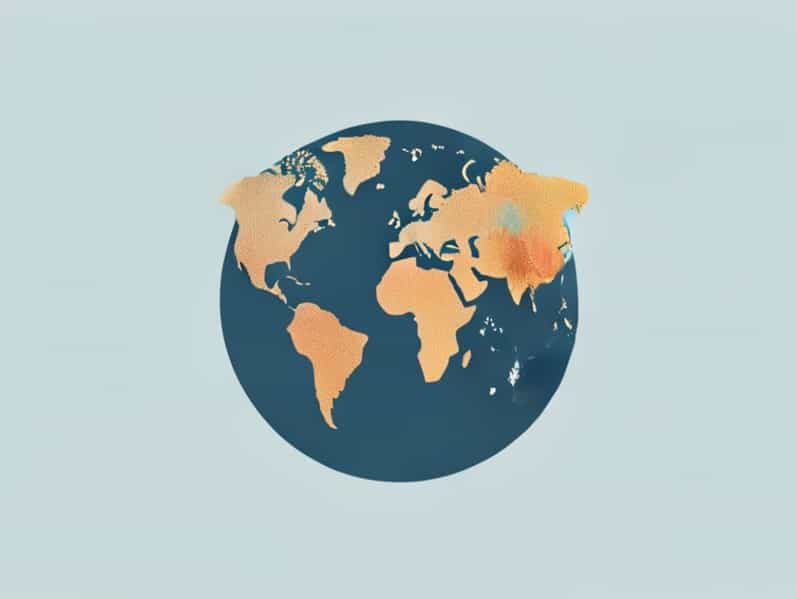
Globalization refers to the expansion and intensification of economic, cultural, political, and social connections across national borders. It is a process that has accelerated dramatically in the past few decades due to advancements in technology, transportation, and communication. Globalization allows goods, services, information, ideas, and people to move more freely across countries, creating a more interconnected and interdependent world. While globalization offers numerous opportunities for economic growth and cultural exchange, it also poses challenges related to inequality, cultural homogenization, and environmental sustainability.
Economic Dimensions of Globalization
One of the most visible aspects of globalization is its impact on the global economy. The expansion of international trade, foreign investment, and global supply chains has enabled countries to access new markets, increase production efficiency, and benefit from comparative advantage. Companies can now operate internationally, sourcing raw materials from one country, manufacturing in another, and selling products worldwide. Economic globalization has contributed to the growth of multinational corporations and the integration of financial markets, allowing for the rapid flow of capital across borders.
Global Trade and Investment
- The reduction of trade barriers and tariffs encourages international commerce.
- Foreign direct investment allows countries to benefit from foreign capital and technology.
- Global supply chains optimize production by locating each stage in the most efficient region.
- International financial markets facilitate investment and access to capital for businesses worldwide.
However, economic globalization also presents challenges. Developing countries may face competition from more industrialized nations, potentially harming local industries. Economic dependence on global markets can make countries vulnerable to international economic fluctuations, as seen in global financial crises.
Cultural Dimensions of Globalization
Globalization affects cultural exchange and the spread of ideas, values, and lifestyles. People around the world can access information, entertainment, and products from different cultures more easily than ever before. International media, social networks, and tourism contribute to the dissemination of cultural practices and norms, promoting cross-cultural understanding and collaboration.
Impacts on Culture
- Exposure to foreign cultures encourages learning and cultural appreciation.
- Global media and entertainment influence fashion, language, and social behavior.
- Migration and travel facilitate the blending of traditions and cuisines.
- Cultural industries can expand their reach to international audiences.
Despite these benefits, globalization can also lead to cultural homogenization, where dominant cultures overshadow local traditions. Critics argue that the spread of global brands, media, and consumer culture may weaken cultural diversity and diminish unique identities.
Political Dimensions of Globalization
Globalization reshapes the political landscape by fostering cooperation, international governance, and interdependence among nations. Countries collaborate through organizations such as the United Nations, World Trade Organization, and International Monetary Fund to address global challenges, including climate change, trade regulation, and security threats. International treaties and agreements have become essential tools for coordinating policies across borders.
Global Governance and Diplomacy
- Countries work together to manage international trade, environmental protection, and human rights.
- Supranational organizations influence national policies and decision-making.
- Diplomatic relations are strengthened through international summits and multilateral agreements.
- Global security relies on cooperation to address terrorism, pandemics, and conflicts.
However, political globalization can also create tensions. National sovereignty may be perceived as compromised when international agreements limit a country’s ability to make independent policy decisions. Additionally, global institutions may face criticism for favoring powerful nations over smaller or less developed countries.
Social and Environmental Dimensions of Globalization
Globalization has far-reaching social implications, influencing migration, education, health, and labor markets. People move more freely for work, study, and travel, fostering multicultural societies and knowledge exchange. Access to international information and innovations improves health care, education, and social services worldwide.
Challenges and Opportunities
- Migration can address labor shortages but may create social integration challenges.
- Global collaboration in science and technology advances education and research.
- Exposure to global health knowledge improves disease prevention and medical treatment.
- Environmental concerns, such as climate change, require collective global action.
Environmental globalization highlights the interdependence of nations in addressing ecological issues. Pollution, deforestation, and climate change do not respect borders, making international cooperation crucial. At the same time, increased industrial activity and resource extraction linked to economic globalization can exacerbate environmental degradation if not managed sustainably.
Technological Drivers of Globalization
Technological advancements are central to the expansion and intensification of globalization. Innovations in transportation, communication, and information technology have reduced barriers to international exchange. High-speed internet, mobile communication, and digital platforms allow businesses, governments, and individuals to connect instantly across the globe. Similarly, advancements in logistics and transportation have made global trade faster, cheaper, and more efficient.
Key Technological Impacts
- Digital platforms enable e-commerce and global business operations.
- Social media facilitates cultural exchange and international collaboration.
- Transportation technology allows faster movement of goods and people worldwide.
- Data analytics and information sharing improve decision-making on a global scale.
Technological globalization also raises concerns about privacy, cybersecurity, and the digital divide. Access to technology is not uniform across regions, and disparities can exacerbate economic and social inequalities.
Critiques and Challenges of Globalization
While globalization offers numerous benefits, it also faces criticism. Economic disparities, cultural homogenization, environmental challenges, and political tensions are significant concerns. Critics argue that globalization can favor wealthy nations, marginalize vulnerable populations, and weaken local economies. Additionally, rapid global interconnectedness can amplify the spread of diseases, financial crises, and social unrest. Balancing the benefits of global integration with the need for equity, sustainability, and cultural preservation remains a key challenge for policymakers and global institutions.
Globalization refers to the expansion and intensification of worldwide connections across economic, cultural, political, and social dimensions. It creates opportunities for trade, innovation, cultural exchange, and international cooperation, transforming the way nations and individuals interact. However, it also presents challenges related to inequality, environmental sustainability, and cultural preservation. Understanding globalization requires a holistic perspective that considers both its benefits and drawbacks. By embracing inclusive policies, sustainable practices, and equitable access to resources, societies can harness the potential of globalization while mitigating its risks, ultimately promoting a more interconnected and resilient world.