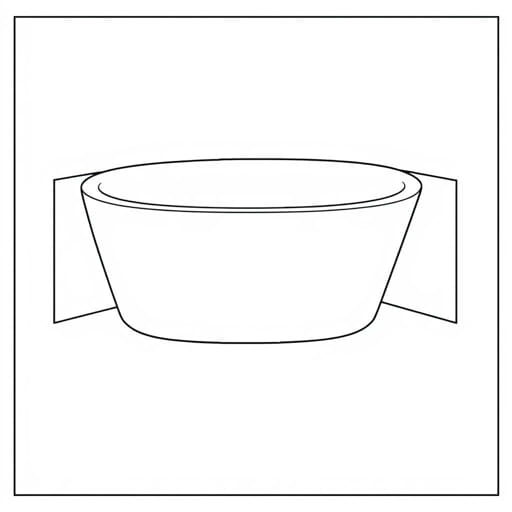
Installing a glue up tub surround is one of the most practical and cost-effective ways to upgrade a bathroom without the complexity of a full remodel. Whether you’re renovating an old bathtub area or creating a new one, this type of wall surround system offers an easy-to-install and stylish solution that resists water, adds durability, and elevates the overall appearance of your bathroom. The process involves securing waterproof panels to the wall using adhesive, resulting in a seamless, low-maintenance tub enclosure that protects your walls from moisture damage while improving aesthetics.
Understanding Glue Up Tub Surrounds
A glue up tub surround typically consists of several panels usually three to five that are bonded directly to the bathroom walls around a bathtub. These panels are made of materials such as acrylic, fiberglass, or PVC, all known for their moisture-resistant and easy-to-clean properties. Unlike tile installations that require grout and intensive labor, glue up surrounds offer a quicker alternative with fewer maintenance issues.
Advantages of a Glue Up Tub Surround
There are many benefits that make a glue up tub surround appealing for homeowners and DIYers alike. Here are some of the primary reasons to choose this type of tub surround:
- Affordability: Less expensive than tile or stone options.
- Ease of Installation: Designed for straightforward application with minimal tools and skills.
- Water Resistance: Helps prevent mold, mildew, and wall damage.
- Low Maintenance: Simple to wipe down and clean.
- Style Variety: Available in numerous finishes and textures to match different bathroom designs.
Materials and Tools Needed
Before installing a glue up tub surround, gather the necessary materials and tools. Most kits come with pre-cut panels, but you’ll also need adhesives and standard DIY equipment. Here’s what you’ll likely need:
- Tub surround panel kit
- Construction adhesive (compatible with panel material)
- Level and measuring tape
- Utility knife or fine-tooth saw
- Caulk and caulking gun (for sealing edges)
- Clean cloths or rags
- Painter’s tape
Be sure to follow the manufacturer’s instructions regarding the type of adhesive and surface preparation required, as this ensures long-lasting adhesion and prevents water infiltration behind the panels.
Preparing the Surface
Proper preparation of the wall surface is essential for a successful glue up tub surround installation. The adhesive must bond directly to a clean, dry, and stable surface. You can install the panels over drywall, cement board, or even old tile (if in good condition).
Steps to Prepare the Wall:
- Remove any existing fixtures such as shelves or soap holders.
- Clean the surface thoroughly to eliminate soap scum, dust, and grease.
- Ensure the wall is dry and free of loose paint or damaged sections.
- Sand glossy surfaces lightly to improve adhesion.
- Mark vertical and horizontal reference lines using a level for accurate alignment.
It’s also helpful to dry-fit the panels before applying adhesive to confirm the layout and make any necessary cuts in advance.
Installation Process
The glue up process involves positioning and pressing each panel onto the wall in the correct order. Generally, the back wall is installed first, followed by the side panels. Pay close attention to panel alignment and adhesive coverage to avoid issues like warping or leaks.
Step-by-Step Installation Guide:
- Apply Adhesive: Use a caulking gun to apply generous beads or zigzag patterns of adhesive on the back of the panel.
- Position the Panel: Carefully align the panel with your reference lines and press it firmly against the wall.
- Secure in Place: Hold the panel in place for a few minutes or use painter’s tape to temporarily secure it until the adhesive sets.
- Repeat for Side Panels: Follow the same process, making sure each panel overlaps correctly at the corners if applicable.
- Seal the Edges: Once all panels are in place, apply a bead of waterproof caulk along the seams and edges to prevent moisture penetration.
- Allow to Cure: Let the adhesive and caulk dry for at least 24 hours before using the tub or exposing it to water.
Tips for a Successful Installation
To ensure the best results, consider these additional tips during your installation:
- Work in a well-ventilated area to reduce adhesive fumes.
- Measure twice and cut once to avoid mistakes that could compromise fit or appearance.
- Use a non-abrasive cleaner to maintain the surface after installation.
- Choose caulk that matches your panel color for a clean finish.
- If cutting around fixtures or plumbing, use a template for accurate holes.
Common Mistakes to Avoid
Even though glue up tub surrounds are DIY-friendly, some common mistakes can lead to installation problems or long-term issues:
- Not allowing adhesive or caulk to fully cure before use.
- Applying panels over damp or dirty walls.
- Using the wrong adhesive for the panel material.
- Failing to seal seams properly, leading to water intrusion.
- Skipping surface prep, which compromises bond strength.
Maintenance and Longevity
Once your glue up tub surround is installed, maintaining it is easy. Use mild cleaners and avoid harsh abrasives or scouring pads. Regularly inspect the caulk lines and reapply if you notice any gaps or deterioration. With proper care, a glue up tub surround can last for many years, keeping your bathroom functional and attractive.
A glue up tub surround is a practical and efficient way to improve the look and durability of your bathroom. From its easy installation process to its water-resistant properties, it’s a solid choice for anyone looking to enhance their tub area without breaking the bank. By following preparation, installation, and maintenance best practices, you can ensure a long-lasting and beautiful result. Whether you’re a homeowner doing your own upgrade or a contractor helping clients on a budget, this bathroom solution is both smart and stylish.