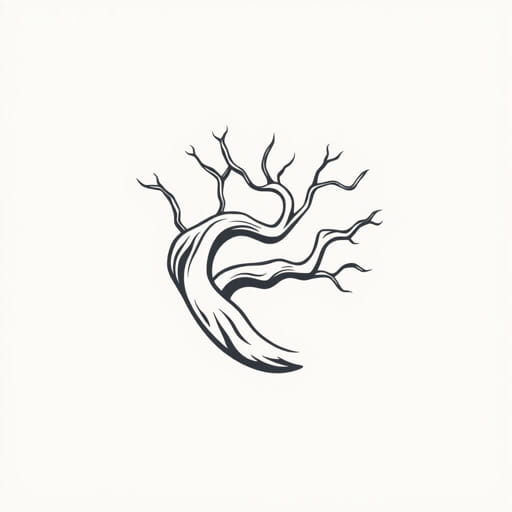
Language is full of curious and powerful words, and gnarl is one of those with a distinctive sound and equally interesting meaning. If you’ve come across the word in literature, nature discussions, or even descriptive writing, you might wonder about its grammatical role and how it’s used. Understanding the part of speech of gnarl can deepen your appreciation for language and improve your vocabulary, especially if you’re aiming to use vivid words in writing or conversation.
Understanding Gnarl as a Word
The word gnarl is most commonly used as averband anoun. Its usage dates back centuries and often evokes images of twisted wood, rugged textures, or distorted shapes. It’s particularly useful in descriptive writing because of the vivid imagery it suggests. Let’s explore each part of speech that gnarl can take on in more detail to fully understand how the word functions in different grammatical contexts.
Gnarl as a Verb
When used as a verb, gnarl means to twist or contort into a knotted or rough shape. This usage often relates to physical transformation or deformation, especially in the context of wood or tree limbs. However, it can also be used metaphorically to describe distortion in non-physical forms, like emotions or facial expressions.
Examples of gnarl as a verb:
- The tree roots gnarled around the old stones, gripping them like fingers.
- Years of pain had gnarled his hands into stiff, bent claws.
- Time and hardship had gnarled her expression into a permanent frown.
In these examples, the verb gnarl emphasizes the transformation of something into a rough, twisted, or hardened state. It’s often used in the past tense form gnarled. This past participle form is especially common in literature and nature writing.
Gnarl as a Noun
As a noun, gnarl refers to a knotty or rough part, especially one on a tree. It may also be used more broadly to refer to any kind of twisted or distorted feature in an object. This usage is especially prominent in botany, woodworking, or artistic descriptions.
Examples of gnarl as a noun:
- The walking stick was carved from a branch with a natural gnarl near the top.
- A large gnarl on the trunk made the tree appear ancient and wise.
- The sculptor used the wood’s gnarl to enhance the texture of the finished piece.
This noun form gives the speaker or writer a compact and visual way to point out specific features in natural or crafted objects. It is typically countable a gnarl, several gnarls and lends itself well to expressive, textured description.
Grammatical Usage in Sentences
When analyzing the part of speech of gnarl, it helps to place it within various sentence structures to see how it functions. Let’s take a closer look at how it behaves grammatically in context.
Verb Usage:
- Present tense:The cold windgnarlsthe branches into grotesque shapes.
- Past tense:The barkgnarledfrom years of exposure to harsh elements.
- Present participle:He watched the roots, slowlygnarlingaround the rocks.
Noun Usage:
- Singular:There was agnarlat the base of the trunk.
- Plural:The table’s surface was smooth, but the legs had severalgnarlsfor character.
Whether used as a verb or noun, gnarl brings a unique texture to language. Writers and speakers can use it to paint a picture of transformation, age, or natural beauty.
Related Forms and Synonyms
To better understand gnarl, it helps to know related words and variations. These can include synonyms or words derived from the same root.
Common Related Forms:
- Gnarled (adjective): Having a rough, twisted form a gnarled oak tree.
- Gnarly (adjective): Slang for something extreme or rugged That wave was gnarly!
These forms expand the use of gnarl into different parts of speech, making it even more versatile. Gnarled is particularly common in descriptions of aged things, such as gnarled hands or gnarled roots. Meanwhile, gnarly has evolved in modern slang to mean anything intense, difficult, or impressive though this use is more informal.
Synonyms:
- Knot
- Twist
- Snarl (in a physical context)
- Contort
- Warp
While these synonyms can convey similar meanings, gnarl often implies a natural or organic twist, particularly in wood or limbs. It has a tactile and visual richness that makes it favored in storytelling and description.
When to Use Gnarl in Writing
Writers often choose gnarl to add a gritty, earthy feel to their descriptions. It works well in:
- Nature writing: describing trees, roots, and branches
- Character description: referencing hands, fingers, or expressions
- Art and sculpture: highlighting texture and form
- Metaphorical writing: expressing emotional or mental hardness
Gnarl is not an everyday word in most conversations, but it shines in literary or descriptive contexts where visual imagery is key. Its sound even evokes the idea of roughness or a kind of twisting motion, enhancing the atmosphere of the sentence it’s in.
Gnarl is a dynamic word with multiple grammatical identities. As averb, it describes the action of twisting or distorting. As anoun, it captures the result of that action a knotted or rough feature. Its related forms like gnarled and gnarly add more texture to our vocabulary, each with slightly different uses. Whether you’re writing poetry, describing landscapes, or painting vivid characters, gnarl can serve as a powerful linguistic tool. By understanding its part of speech and proper usage, you can elevate the depth and clarity of your expression.