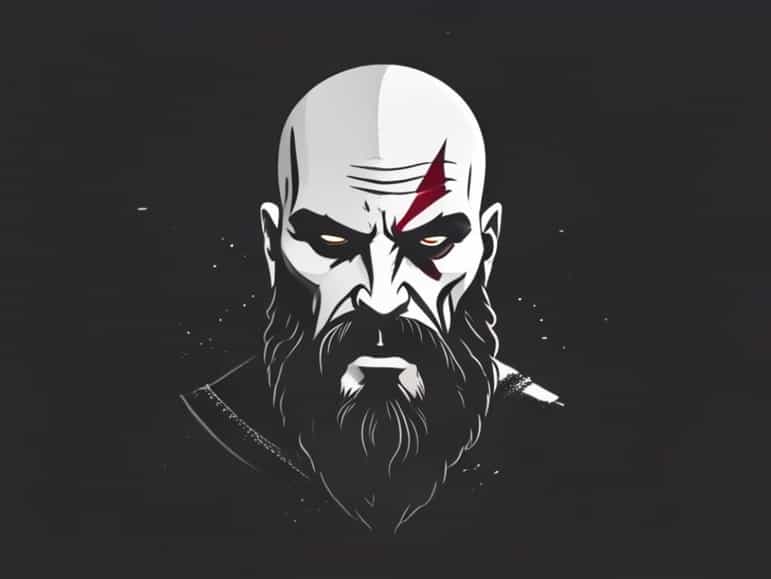
God of War Ghost of Sparta is a title that holds a special place for fans of the God of War franchise. Released originally for the PlayStation Portable, this game dives deeper into the emotional and psychological journey of Kratos, the Spartan warrior who would later become one of gaming’s most iconic characters. Rather than focusing only on large-scale battles and divine conflict, Ghost of Sparta explores personal loss, identity, and the haunting memories that shape Kratos into the Ghost of Sparta.
Overview of God of War Ghost of Sparta
God of War Ghost of Sparta is an action-adventure game developed as a prequel and side story within the larger God of War timeline. It takes place between the events of the first and second main God of War games. The story focuses on Kratos’ past, particularly his family and the secrets that were kept from him.
Unlike earlier entries that centered mainly on revenge against the gods, Ghost of Sparta adds emotional depth by showing Kratos as a conflicted figure struggling with guilt, grief, and unanswered questions about his origins.
The Meaning Behind Ghost of Sparta
The title Ghost of Sparta carries symbolic weight. Kratos earned this name because of his pale skin, which was stained white by the ashes of his family. However, the word ghost also represents his emotional state. He is haunted by memories, regrets, and visions of his past.
In this game, the phrase takes on new meaning as Kratos confronts the literal and figurative ghosts of his life. It highlights his struggle between embracing his Spartan identity and escaping the pain associated with it.
Kratos as a Tragic Hero
Rather than portraying Kratos as a one-dimensional warrior, Ghost of Sparta shows him as a tragic hero. His strength is undeniable, but his emotional wounds are just as powerful. This balance adds depth to the narrative and makes the character more relatable.
Storyline and Narrative Focus
The story of God of War Ghost of Sparta revolves around Kratos’ visions of his mother and his long-lost brother, Deimos. These visions compel him to return to Sparta to uncover the truth about his past.
As Kratos journeys through familiar and new locations, he uncovers the betrayal that shaped his life. The game reveals that Deimos was taken away as a child due to a prophecy, leaving Kratos with unresolved trauma and guilt.
The Role of Deimos
Deimos plays a crucial role in shaping Kratos’ emotional arc. His fate reflects the cruelty of the gods and the consequences of prophecy-driven fear. Their reunion is one of the most powerful moments in the game, filled with anger, sorrow, and loss.
Gameplay Mechanics and Combat
God of War Ghost of Sparta maintains the fast-paced combat style the series is known for. Players control Kratos using his signature weapons, including the Blades of Athena, while facing a variety of enemies drawn from Greek mythology.
The combat system is refined for handheld play but still delivers the brutal and fluid experience fans expect. New abilities and magic attacks expand combat options and keep encounters engaging.
Key Gameplay Features
- Fluid combo-based combat system
- Magic abilities tied to Spartan themes
- Puzzle-solving elements integrated into levels
- Epic boss battles scaled for portable gameplay
Level Design and Environments
Despite being developed for a handheld console, Ghost of Sparta features impressive level design. The environments range from war-torn Sparta to eerie mythological realms, each carefully crafted to enhance storytelling.
The visual presentation pushes the limits of the PSP, showcasing detailed textures, smooth animations, and cinematic camera angles that match the tone of the series.
Exploration of Spartan Culture
One of the standout aspects of God of War Ghost of Sparta is its focus on Spartan culture. The game delves into Spartan values such as honor, strength, and loyalty, while also exposing their harsh traditions.
Kratos’ relationship with Sparta is complex. He is both celebrated and burdened by his heritage. This duality adds layers to the narrative and reinforces the theme of identity.
Family and Honor
The game emphasizes that Kratos’ greatest struggles are not against monsters or gods, but against the pain tied to family and honor. His loyalty to his brother and mother reveals a softer, more vulnerable side.
Music and Sound Design
The music in God of War Ghost of Sparta plays a significant role in shaping its emotional impact. The score blends orchestral intensity with somber melodies that reflect Kratos’ inner turmoil.
Sound effects and voice acting further enhance immersion. Kratos’ dialogue is restrained but powerful, allowing players to feel the weight of his emotions without excessive exposition.
Connection to the Larger God of War Series
Ghost of Sparta fills important narrative gaps within the God of War timeline. It explains motivations and emotional scars that influence Kratos’ actions in later games.
For longtime fans, the game provides context that deepens appreciation for Kratos’ eventual rebellion against the gods. For new players, it serves as an accessible entry point into the series’ mythology.
Character Development
By the end of the game, Kratos is more than just a warrior driven by rage. He is a character shaped by loss, regret, and the inability to escape fate. This development sets the stage for his later transformations.
Themes and Symbolism
God of War Ghost of Sparta explores themes of fate, family, betrayal, and identity. The gods are portrayed not as benevolent beings but as manipulative figures whose decisions cause immense suffering.
The concept of prophecy plays a central role, questioning whether destiny can be avoided or merely delayed. Kratos’ struggle against prophecy mirrors his larger conflict with the gods.
Critical Reception and Legacy
Upon release, Ghost of Sparta received praise for its storytelling, graphics, and combat system. Many critics highlighted its ability to deliver a console-quality experience on a handheld device.
Over time, the game has become recognized as one of the strongest entries in the God of War franchise, especially for its narrative depth and emotional focus.
Why Fans Still Remember It
- Strong emotional storytelling
- Expanded backstory for Kratos
- High-quality presentation for a portable game
- Meaningful connections to the main series
Why God of War Ghost of Sparta Still Matters
Even years after its release, God of War Ghost of Sparta remains relevant. Its exploration of trauma, identity, and personal loss resonates beyond gaming. It demonstrates how action games can tell meaningful, character-driven stories.
The game stands as a reminder that behind Kratos’ rage lies a deeply wounded individual searching for answers and peace.
God of War Ghost of Sparta is more than a side story; it is a crucial chapter in Kratos’ journey. Through emotional storytelling, refined gameplay, and thoughtful exploration of character, the game adds depth to the God of War universe. It captures the essence of what makes Kratos compelling, not just as a warrior, but as a tragic figure shaped by loss, loyalty, and the relentless grip of fate.