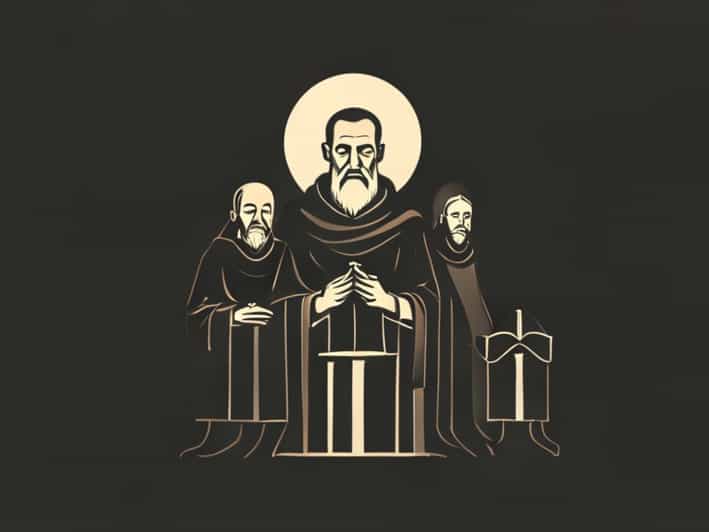
Gregorian chants have echoed through monasteries for centuries, shaping a spiritual atmosphere that feels timeless and deeply reflective. Among the communities that continue this tradition, the Benedictine monks of St Michael’s hold a special place. Their chants are not performances in the modern sense, but living expressions of prayer, discipline, and communal identity. Through simple melodies and sacred texts, they preserve a form of musical worship that continues to speak to listeners across cultures and generations.
The Origins of Gregorian Chants
Gregorian chant is one of the oldest forms of Western sacred music. Its roots can be traced back to early Christian communities, where sung prayer was central to worship. Over time, these melodies were organized and standardized, traditionally associated with Pope Gregory I, from whom the name Gregorian is derived.
The chants are monophonic, meaning they consist of a single melodic line without harmony or instrumental accompaniment. This simplicity allows the text to remain central, guiding the listener toward contemplation rather than musical complexity.
The Benedictine Tradition
The Benedictine order, founded by St Benedict of Nursia in the sixth century, places a strong emphasis on balance between prayer and work. This principle, often summarized as ora et labora, shapes daily life in Benedictine monasteries.
Gregorian chants are essential to this rhythm of life. The monks chant the Divine Office at set times throughout the day, marking the passage of time with prayer. For the Benedictine monks of St Michael’s, chanting is not an optional practice but a defining element of their spiritual discipline.
Prayer as a Way of Life
In Benedictine spirituality, prayer is woven into everyday activities. Chanting the psalms and sacred texts helps monks remain mindful of their purpose and commitment. The chants are not rushed; they unfold at a pace that encourages attention and presence.
This approach contrasts sharply with the fast tempo of modern life, making Gregorian chants appealing even to those outside the monastic tradition.
St Michael’s and Its Monastic Community
St Michael’s is often associated with a sense of spiritual heritage and continuity. The Benedictine monks of St Michael’s are known for maintaining traditional forms of worship while living in the contemporary world.
The monastery serves as both a place of prayer and a guardian of sacred music. Within its walls, Gregorian chants are practiced daily, not as historical reenactments but as living prayer.
The Sound and Structure of the Chants
Gregorian chants are based on modes rather than modern musical scales. These modes give the chants a distinctive character, often described as calm, solemn, or meditative. The melodies follow the natural rhythm of the Latin text.
For the Benedictine monks of St Michael’s, careful attention is given to pronunciation, phrasing, and breathing. This ensures that the chant remains unified, reflecting the communal nature of monastic life.
Silence and Sound
Silence plays an important role alongside sound. Moments of quiet before and after chanting allow the meaning of the words to settle. This balance between silence and chant deepens the spiritual experience.
The absence of instruments further emphasizes the human voice as the primary instrument of prayer.
The Spiritual Purpose of Chanting
Gregorian chants are not intended to entertain. Their primary purpose is spiritual formation. By repeatedly chanting sacred texts, monks internalize the words and allow them to shape thought and behavior.
This repetitive and reflective nature helps cultivate humility, patience, and focus. For listeners, the chants can create a sense of peace and stillness, even without understanding the Latin language.
Daily Life Shaped by Chant
The daily schedule of the Benedictine monks of St Michael’s revolves around the liturgy. Chanting marks the hours of the day, from early morning prayers to evening services.
This structure provides stability and meaning. Each chant becomes part of a larger rhythm that connects individual moments to a shared spiritual journey.
- Morning chants that begin the day in reflection
- Midday prayers that restore focus
- Evening chants that invite rest and gratitude
Preservation and Teaching of Gregorian Chants
The survival of Gregorian chants depends on careful preservation and teaching. The Benedictine monks of St Michael’s pass down this musical tradition through practice and mentorship.
New members of the community learn not only the melodies but also the spiritual intention behind them. This ensures that the chants remain meaningful rather than becoming mere routines.
Written and Oral Tradition
Gregorian chants have been preserved through both written notation and oral transmission. Early chant notation, known as neumes, provided guidance rather than exact instructions.
Oral tradition remains vital, as subtle aspects of rhythm and expression are best learned by listening and participating.
Gregorian Chants in the Modern World
In recent decades, Gregorian chants have reached audiences far beyond monasteries. Recordings and live performances have introduced this ancient music to people seeking calm and reflection.
The Benedictine monks of St Michael’s are often associated with this renewed interest. Their chants resonate with listeners who are drawn to authenticity and spiritual depth.
Why These Chants Still Matter
Gregorian chants endure because they address universal human needs. They offer stillness in a noisy world and structure in a time of constant change.
The chants remind listeners that music can be more than entertainment. It can be a form of meditation, a way to connect with something greater than oneself.
The Experience of Listening
Listening to Gregorian chants can be a deeply personal experience. Some people find comfort, while others experience a sense of awe or introspection.
The steady flow of melody and text encourages slow breathing and relaxation. This effect explains why the chants are often associated with mindfulness and spiritual well-being.
A Living Tradition
The Benedictine monks of St Michael’s demonstrate that Gregorian chants are not relics of the past. They are living practices that continue to evolve while remaining faithful to their roots.
Through daily dedication, the monks ensure that this form of sacred music remains relevant and accessible.
Final Reflection
Gregorian chants, as practiced by the Benedictine monks of St Michael’s, represent a bridge between history and the present. They carry centuries of prayer, discipline, and devotion within their simple melodies.
In a world often defined by speed and distraction, these chants offer an alternative way of listening and being. They invite both monks and listeners to pause, reflect, and rediscover the power of the human voice raised in quiet unity.