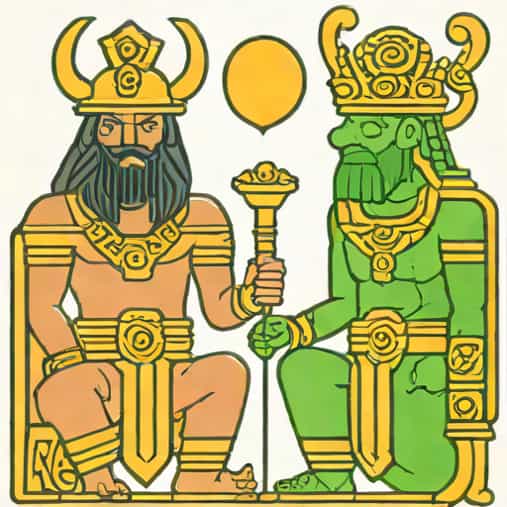
The Epic of Gilgamesh, one of the oldest known pieces of literature, tells the story of a legendary king and his journey through friendship, adventure, and self-discovery. Central to this narrative is the friendship between Gilgamesh, the powerful king of Uruk, and Enkidu, a wild man created by the gods. Their relationship is one of the most significant elements of the epic, showcasing how two very different beings can become close companions. Understanding how Gilgamesh and Enkidu became friends provides insight into themes of civilization, loyalty, and human connection that resonate even today.
Who Were Gilgamesh and Enkidu?
Gilgamesh was the king of Uruk, a city in ancient Mesopotamia, described as two-thirds divine and one-third human. He was strong, ambitious, and sometimes tyrannical, ruling his city with great power but also creating unrest among his people. Enkidu, in contrast, was a wild man who lived among animals, untamed and innocent, untouched by human society. He was created by the gods specifically to challenge Gilgamesh and balance his excessive behavior.
The Role of the Gods
The gods played a crucial role in bringing Gilgamesh and Enkidu together. Concerned about Gilgamesh’s harsh rule over Uruk, the goddess Aruru created Enkidu from clay, shaping him as a counterpart to the king. This divine intervention highlights one of the epic’s central themes the interplay between human actions and divine influence. By creating Enkidu, the gods set the stage for the transformation of both characters through their eventual friendship.
Enkidu’s Introduction to Civilization
Initially, Enkidu was unaware of human society and lived freely with animals. He drank at watering holes and ran with wild herds, unaware of the ways of humans. His innocence and strength made him formidable, but he lacked understanding of social norms and human interaction. The introduction of Enkidu to civilization is a critical step in the development of his friendship with Gilgamesh.
The Role of Shamhat
Shamhat, a temple prostitute, was sent to civilize Enkidu. She spent several days with him, teaching him about human food, drink, and customs. Through this process, Enkidu gained awareness of human society and began to develop emotions and understanding beyond his wild instincts. This civilizing influence allowed him to leave the wilderness and eventually encounter Gilgamesh. The transition from wildness to civilization marks the beginning of his journey toward friendship.
The First Encounter of Gilgamesh and Enkidu
When Enkidu arrived in Uruk, he confronted Gilgamesh as the gods had intended. The two met in a dramatic wrestling match, symbolizing their struggle for dominance and equality. The fight was intense, showcasing their incredible strength, but ultimately neither could fully overpower the other. This confrontation is important because it establishes mutual respect between the two characters, which is the foundation of their friendship.
From Rivalry to Respect
After the wrestling match, Gilgamesh and Enkidu recognized each other’s strengths and virtues. They realized that they were equals in power and courage, leading to a newfound respect. This mutual acknowledgment allowed the tension between them to transform into admiration. Rather than remaining rivals, they began to see the value in cooperating and understanding one another.
The Formation of Friendship
Following their initial confrontation, Gilgamesh and Enkidu quickly formed a deep and loyal friendship. They shared adventures, faced dangers together, and learned from each other’s experiences. Their bond was strengthened through shared challenges and mutual support, illustrating the idea that true friendship is forged through both struggle and companionship.
Shared Adventures
One of the first significant adventures of Gilgamesh and Enkidu was the journey to the Cedar Forest to confront the monster Humbaba. Together, they planned and executed the expedition, relying on each other’s strengths. Enkidu’s knowledge of nature and instinct complemented Gilgamesh’s leadership and strategic thinking. This cooperation not only solidified their friendship but also highlighted the complementary qualities that made their bond strong and enduring.
Facing Mortality Together
The friendship between Gilgamesh and Enkidu is also defined by their shared understanding of mortality. Their later encounters with death, particularly Enkidu’s eventual demise, have profound effects on Gilgamesh. The depth of their connection is shown through Gilgamesh’s grief and his quest to find immortality, motivated by the loss of his friend. This emphasizes how their friendship shaped Gilgamesh’s character, teaching him about love, loss, and human vulnerability.
Lessons from Their Friendship
The relationship between Gilgamesh and Enkidu offers several important lessons about friendship and personal growth. Their journey demonstrates how differences can be reconciled, how mutual respect fosters trust, and how shared experiences strengthen bonds. These themes are timeless, resonating across cultures and generations.
The Importance of Equality
Gilgamesh and Enkidu’s friendship began when they recognized each other as equals. Despite differences in origin and upbringing, they respected each other’s abilities and viewpoints. This equality formed the foundation of their companionship and shows how mutual recognition is crucial in any meaningful relationship.
Mutual Growth and Transformation
Through their friendship, both characters experienced personal growth. Enkidu transitioned from a wild, uncivilized figure to a wise and loyal companion, while Gilgamesh learned humility, empathy, and the value of human connection. Their friendship was transformative, illustrating how bonds with others can lead to profound personal development.
The Role of Adventure and Challenge
The shared adventures of Gilgamesh and Enkidu reinforced their bond. Facing challenges together allowed them to rely on each other’s strengths and support one another in difficult circumstances. This demonstrates how friendships are often strengthened through shared trials and collaborative problem-solving.
Gilgamesh and Enkidu became friends through a combination of divine intervention, personal growth, and mutual respect. Enkidu’s transition from wilderness to civilization, their initial confrontation, and their shared adventures all contributed to the development of a strong, enduring bond. Their friendship is central to the Epic of Gilgamesh, highlighting themes of equality, loyalty, and the transformative power of human connection. By exploring how two very different individuals can become close companions, the story of Gilgamesh and Enkidu continues to offer valuable insights into the nature of friendship and the human experience.