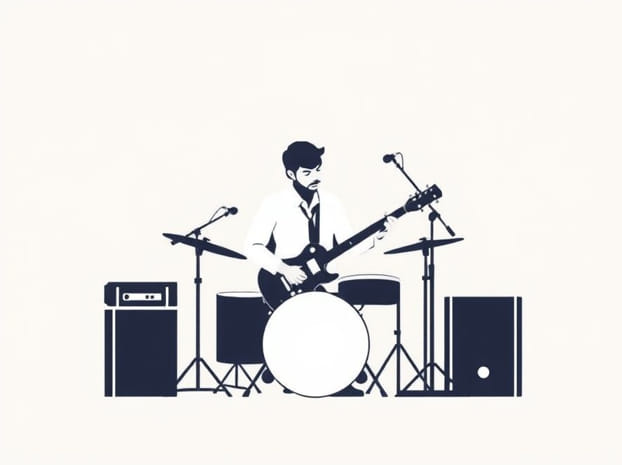
Learning how to become a multi-instrumentalist is a rewarding journey that opens doors to creativity, versatility, and a deeper understanding of music. A multi-instrumentalist is someone who can play more than one musical instrument with skill, and this ability often gives musicians more opportunities in bands, orchestras, studios, or solo projects. While mastering several instruments takes patience and dedication, it is not an impossible goal. With the right approach, consistent practice, and an open mindset, anyone can develop the skills to play multiple instruments and enjoy the richness that comes with musical diversity.
Understanding What It Means to Be a Multi-Instrumentalist
Before starting the journey, it is important to understand what being a multi-instrumentalist involves. It does not necessarily mean achieving world-class mastery on every instrument. Instead, it means being competent and expressive on more than one instrument, often across different families such as strings, percussion, woodwinds, or keyboards. This balance allows musicians to adapt to different musical settings, create richer compositions, and collaborate with more flexibility.
Choosing Your First Instrument
Every multi-instrumentalist starts with a primary instrument. It is usually the one you feel most comfortable with or the one that inspired you to begin making music. Having a strong foundation in your first instrument is essential because many skills like rhythm, music theory, and ear training transfer to others. For example, a guitarist who understands scales and chord progressions will find it easier to learn piano or bass guitar.
Adding a Second Instrument
The next step in becoming a multi-instrumentalist is choosing a second instrument. It is wise to pick something that complements your first choice. For instance
- If you play piano, try guitar to balance melody and harmony in a new way.
- If you play drums, consider bass guitar to strengthen your rhythm and groove skills.
- If you play violin, try the viola or cello to expand your range within the string family.
Starting with an instrument in a related family can make the transition smoother, but exploring something entirely different can also broaden your skill set.
Developing a Learning Strategy
To progress effectively, you need a clear learning strategy. Some useful approaches include
- Set realistic goals for each instrument, such as learning three chords, a basic scale, or a simple song.
- Divide practice time between instruments, ensuring you maintain your first instrument while building skills on the new one.
- Use music theory as a common thread to connect your learning across instruments.
- Listen to recordings of multi-instrumentalists for inspiration and guidance.
This structured approach helps prevent feeling overwhelmed and keeps you motivated.
Time Management for Practice
One of the biggest challenges for multi-instrumentalists is managing practice time. Unlike focusing on one instrument, you must divide your efforts. A practical method is to dedicate specific days to different instruments or split sessions into shorter segments. For example, you might practice guitar for 30 minutes and then switch to keyboard for another 30 minutes. Consistency is more valuable than long, irregular practice sessions.
Ear Training and Music Theory
Strong ear training and music theory knowledge are vital tools for becoming a multi-instrumentalist. When you understand intervals, scales, and chord progressions, you can transfer these concepts from one instrument to another. For example, recognizing a I-IV-V chord progression on guitar will help you quickly reproduce it on piano. Similarly, training your ear to identify melodies makes it easier to adapt them across instruments.
Exploring Different Instrument Families
To truly become a versatile multi-instrumentalist, consider learning instruments from different families. This widens your musical range and improves your adaptability
- StringsGuitar, violin, bass, cello
- KeyboardsPiano, organ, synthesizer
- WoodwindsFlute, clarinet, saxophone
- BrassTrumpet, trombone, tuba
- PercussionDrums, congas, marimba
By exploring different families, you not only expand your technical ability but also your appreciation of music’s diverse sounds.
Using Technology as a Tool
Technology can be an excellent support in your journey. Digital audio workstations (DAWs) allow you to experiment with virtual instruments, record yourself, and analyze your progress. Apps for tuning, metronomes, and interactive lessons can help you stay on track. While real instruments offer the best experience, using technology as a supplement can accelerate learning.
Playing in Ensembles and Bands
Joining ensembles, bands, or music groups is one of the best ways to sharpen your skills. Performing with others teaches you how to adapt quickly and switch between instruments when needed. Many multi-instrumentalists gain confidence by filling in different roles in a group, sometimes playing guitar in one song and switching to keyboard in another.
Building a Repertoire
A practical step toward becoming a confident multi-instrumentalist is building a repertoire of songs or pieces you can play on each instrument. Start with simple tunes and gradually increase the complexity. Having a collection of go-to pieces demonstrates your progress and gives you confidence when performing or collaborating.
Maintaining Motivation
It is easy to lose focus when juggling several instruments. To stay motivated
- Celebrate small achievements, like mastering a scale or learning a song.
- Rotate instruments to keep practice fresh and engaging.
- Set performance goals, such as recording a cover or playing live.
Keeping your enthusiasm alive ensures steady progress over the years.
Challenges of Being a Multi-Instrumentalist
While the benefits are great, there are also challenges
- Time commitment required to maintain proficiency
- Risk of spreading yourself too thin and not mastering any instrument deeply
- Cost of acquiring and maintaining multiple instruments
Awareness of these challenges allows you to plan realistically and avoid frustration.
The Rewards of Musical Versatility
Despite the difficulties, the rewards are significant. Being a multi-instrumentalist allows you to express yourself in diverse ways, collaborate widely, and even increase career opportunities in music. It also enhances your creativity as you experiment with different textures, tones, and rhythms. Many multi-instrumentalists find joy in the freedom it gives them to explore music without limits.
Becoming a multi-instrumentalist is a journey of patience, curiosity, and persistence. By starting with a strong foundation, gradually adding new instruments, and balancing practice time, anyone can develop the skills to play multiple instruments. With dedication, the ability to move between guitar, piano, drums, or any other instrument becomes second nature. Ultimately, the path to becoming a multi-instrumentalist is not just about technical skill but about embracing the endless possibilities of music and finding joy in every sound you create.