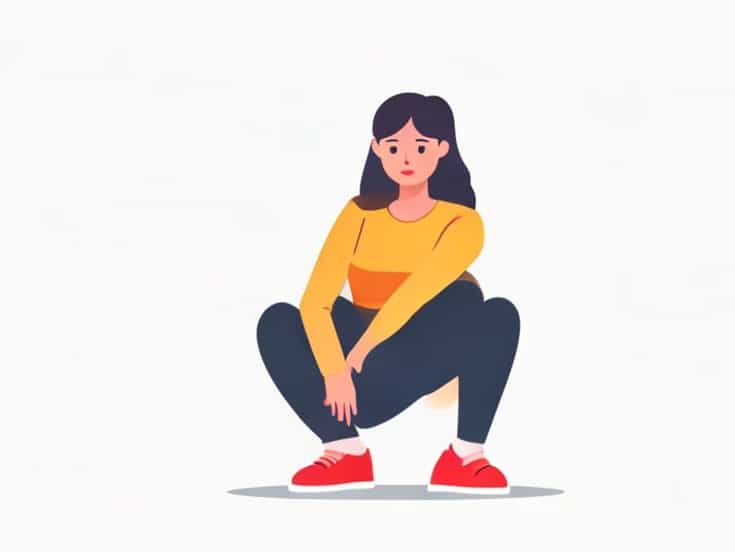
Squats are one of the most effective exercises for strengthening the lower body, improving core stability, and enhancing overall fitness. For beginners, learning how to squat correctly is essential to prevent injury and maximize results. Women, in particular, can benefit from squats as they target the glutes, quads, hamstrings, and core muscles, while also supporting balance and posture. This guide will provide step-by-step instructions, tips for proper form, and beginner-friendly variations to help anyone start squatting safely and effectively.
Understanding the Benefits of Squats
Before diving into technique, it’s important to understand why squats are a key exercise. Squats engage multiple muscle groups, making them a compound exercise that burns more calories than isolated movements. Regular squatting can lead to increased muscle tone in the legs and glutes, better hip mobility, and stronger joints. Additionally, squats can improve athletic performance, help with functional movements in daily life, and contribute to overall body strength.
Muscles Worked During Squats
- Quadriceps The front thigh muscles responsible for extending the knee.
- Hamstrings The back thigh muscles that support bending the knee and stabilizing the leg.
- Gluteus Maximus The primary muscle in the buttocks, essential for hip extension.
- Core Muscles Including the abs and lower back muscles, which stabilize the spine.
- Calves Assist with balance and support during the squat movement.
Beginner Squat Technique
Proper form is crucial to prevent injury and ensure effectiveness. Beginners should start with bodyweight squats to master the basic movement before adding resistance or weights.
Step-by-Step Instructions
- Stand with feet shoulder-width apart and toes slightly pointed outward.
- Engage your core muscles by gently tightening your abdominal area.
- Keep your chest lifted, shoulders back, and eyes facing forward.
- Bend your knees and push your hips back as if sitting in a chair.
- Lower your body until your thighs are parallel to the ground, or as far as your mobility allows.
- Keep your weight evenly distributed on your heels and mid-foot.
- Pause briefly at the bottom of the squat.
- Push through your heels to return to a standing position, straightening your legs fully.
- Repeat for 10-15 repetitions, maintaining proper form throughout.
Common Mistakes to Avoid
- Letting knees collapse inward Ensure knees track over your toes.
- Rounding the back Keep your spine neutral, avoiding a hunched posture.
- Rising onto your toes Keep weight on the heels for balance and stability.
- Squatting too shallow Aim for thighs at least parallel to the floor to engage glutes fully.
- Leaning forward excessively Maintain an upright chest and strong core engagement.
Squat Variations for Beginners
Once the basic squat is mastered, beginners can explore variations to target different muscles, increase intensity, or improve mobility.
Chair Squats
- Stand in front of a chair with feet shoulder-width apart.
- Lower yourself until your glutes lightly touch the chair, then stand back up.
- This variation helps beginners learn proper depth and balance.
Wall Squats
- Lean against a wall with your back flat against it.
- Slide down into a squat position, keeping knees above ankles.
- Hold for 10-20 seconds to build endurance and strengthen the legs.
Sumo Squats
- Position feet wider than shoulder-width with toes pointing outward.
- Perform the squat by pushing hips back and lowering toward the floor.
- This targets inner thighs and adds variety to standard squats.
Tips for Safe and Effective Squatting
- Warm up before squatting with light cardio or dynamic stretches.
- Focus on controlled movements rather than speed or quantity.
- Keep breathing steady inhale as you lower down, exhale as you rise.
- Practice consistently, starting with 2-3 sessions per week.
- Use mirrors or record yourself to check and correct your form.
- Increase repetitions gradually as strength and endurance improve.
Incorporating Squats Into a Beginner Routine
For beginners, squats can be part of a simple full-body routine. For example, a 20-30 minute workout could include
- Bodyweight squats – 3 sets of 10-15 reps
- Lunges – 3 sets of 8-12 reps per leg
- Push-ups – 3 sets of 8-12 reps
- Plank – 3 sets of 20-40 seconds
- Glute bridges – 3 sets of 10-15 reps
Over time, resistance bands, dumbbells, or kettlebells can be added to increase intensity and build muscle further.
Benefits Beyond Muscle Strength
Regular squatting not only strengthens the lower body but also improves balance, coordination, and joint flexibility. For women, squats can help tone glutes and thighs, enhance posture, and support functional movements like lifting or bending safely in daily life. Squats also increase cardiovascular endurance when performed in higher repetitions, contributing to overall fitness and calorie burn.
Mental Benefits
Exercise, including squats, releases endorphins, which reduce stress and improve mood. Mastering squats as a beginner can boost confidence and motivation to continue a fitness journey, creating a sense of accomplishment as strength and stamina improve.
Learning how to squat correctly is essential for beginners, especially for women looking to strengthen their lower body, improve posture, and enhance overall fitness. By starting with bodyweight squats, focusing on proper form, and gradually exploring variations like chair squats, wall squats, and sumo squats, beginners can build strength safely and effectively. Incorporating squats into a consistent workout routine provides physical, functional, and mental benefits that extend beyond the gym. With patience, practice, and attention to form, anyone can master squatting and enjoy a stronger, healthier lower body while minimizing the risk of injury.