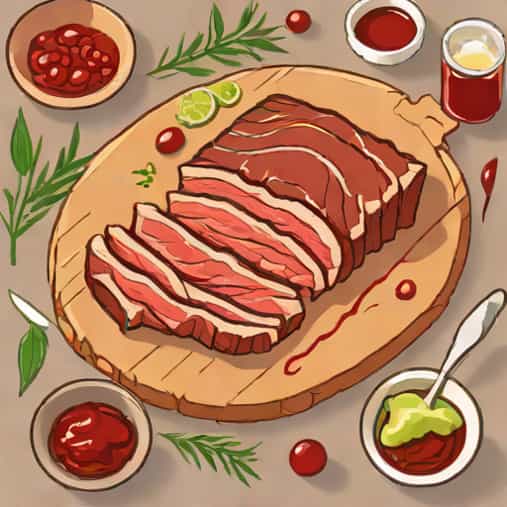
Marinating flank steak is an essential step in ensuring a tender, flavorful, and juicy result. Flank steak is a lean cut of beef with long muscle fibers, which makes it flavorful but also prone to toughness if not handled properly. A well-prepared marinade can break down connective tissue, enhance flavor, and add moisture, transforming a potentially tough steak into a tender, satisfying meal. Understanding the ingredients, marinating time, and techniques is key to achieving the best results. This guide will provide a detailed approach to marinating flank steak for maximum tenderness and taste, whether you plan to grill, broil, or pan-sear it.
Understanding Flank Steak
Before marinating, it’s important to understand what makes flank steak unique. This cut comes from the abdominal muscles of the cow, which are well-exercised and therefore lean but somewhat tough. Its long, fibrous structure requires careful preparation to ensure tenderness. Flank steak is ideal for marinating because the fibers respond well to acids, enzymes, and oils that can break down muscle tissue and add moisture.
Characteristics of Flank Steak
Flank steak is thin, long, and flat, with a robust beef flavor. It is best cooked quickly over high heat to medium-rare or medium doneness, as overcooking can make it chewy. Slicing the steak against the grain is crucial to ensure tenderness, as it shortens the muscle fibers.
Why Marinating Helps
Marinades tenderize the meat by breaking down proteins and connective tissue. Acidic ingredients, such as citrus juice, vinegar, or wine, help to soften the fibers, while enzymes in ingredients like pineapple or papaya can also break down proteins. Oils in the marinade coat the meat and retain moisture, preventing dryness during cooking. Proper seasoning in the marinade adds layers of flavor that penetrate the meat, enhancing the overall taste.
Choosing the Right Marinade Ingredients
The key to a successful flank steak marinade is balancing acidity, oil, and flavoring components. Each ingredient plays a specific role in tenderizing or enhancing the meat.
Acidic Ingredients
Acid softens the tough fibers of flank steak. Common acidic ingredients include
- Lemon or lime juice
- Vinegar (balsamic, apple cider, or red wine)
- Wine (red or white)
- Yogurt or buttermilk for a mild acidic effect
Oils
Oils help coat the steak, keeping it moist and aiding in flavor absorption. Good options include
- Olive oil for richness
- Vegetable oil for a neutral base
- Sesame oil for an Asian-inspired flavor
Flavor Enhancers
Additional ingredients contribute to the overall taste of the steak
- Soy sauce for umami depth
- Garlic and ginger for aromatic notes
- Herbs such as rosemary, thyme, or oregano
- Spices like black pepper, chili flakes, or smoked paprika
- Brown sugar or honey for a hint of sweetness and caramelization
Preparing the Flank Steak
Proper preparation ensures the marinade penetrates evenly and the steak cooks consistently. Handling the meat carefully before marinating is essential.
Trim Excess Fat
Remove any large pieces of fat or silver skin from the steak. While some fat is beneficial for flavor, thick layers can prevent the marinade from reaching the meat.
Score the Surface
Lightly score the steak with shallow cuts in a crosshatch pattern. This allows the marinade to penetrate deeper into the fibers, enhancing both tenderness and flavor absorption.
Pat Dry Before Marinating
Use paper towels to remove excess moisture. A dry surface helps the marinade adhere better to the steak, ensuring even flavor distribution.
Marinating Techniques
How you marinate flank steak affects the final texture and taste. Timing, temperature, and method all play important roles.
Combine Ingredients
In a bowl, whisk together acids, oils, herbs, spices, and other flavorings until well combined. Ensure the mixture is balanced, with roughly three parts oil to one part acid, adjusting for taste.
Coat the Steak Evenly
Place the flank steak in a shallow dish or a resealable plastic bag. Pour the marinade over the meat, ensuring full coverage. Massage the marinade gently into the meat, paying attention to the scored surfaces.
Marinating Time
For tenderizing flank steak, allow it to marinate for at least 2-4 hours. For maximum flavor and tenderness, marinate overnight in the refrigerator, but avoid exceeding 24 hours, as excessive acidity can begin to break down the meat too much, resulting in mushiness.
Refrigeration
Always marinate flank steak in the refrigerator to prevent bacterial growth. Cover the dish or seal the bag to avoid contamination and to ensure the flavors infuse evenly.
Cooking the Marinated Flank Steak
Once marinated, cooking the steak correctly ensures tenderness is retained and flavors are maximized.
Preheat the Grill or Pan
Use a hot grill or skillet for quick, even cooking. High heat sears the outside, locking in juices and creating a flavorful crust.
Cooking Time
Cook flank steak for 3-5 minutes per side for medium-rare, depending on thickness. Overcooking can make even marinated steak tough. Use a meat thermometer to ensure accuracy 130-135°F (54-57°C) for medium-rare and 140°F (60°C) for medium.
Resting the Steak
After cooking, let the steak rest for 5-10 minutes. Resting allows juices to redistribute throughout the meat, enhancing tenderness and flavor. Cover loosely with foil to retain warmth.
Slicing for Tenderness
Slicing the flank steak properly is critical for enjoying a tender bite. Always cut against the grain, which shortens the long muscle fibers and makes each piece easier to chew. Slice thinly at a slight angle to maximize tenderness and presentation.
Tips for the Perfect Marinated Flank Steak
- Use fresh, high-quality ingredients for optimal flavor.
- Do not over-marinate to avoid mushy texture.
- Score the steak lightly to improve marinade penetration.
- Ensure even coverage of marinade for consistent flavor.
- Cook quickly over high heat to retain juices and tenderness.
- Rest the steak after cooking to enhance texture.
- Slice against the grain to shorten fibers and improve tenderness.
Marinating flank steak is an effective way to enhance flavor and improve tenderness. By understanding the cut, choosing a balanced marinade, preparing the meat carefully, and following proper marinating techniques, you can transform a naturally lean and fibrous steak into a juicy, tender, and flavorful meal. Proper cooking and slicing ensure every bite is enjoyable, while careful attention to timing and temperature maximizes the impact of the marinade. With these techniques, anyone can create restaurant-quality flank steak at home that is both delicious and tender.