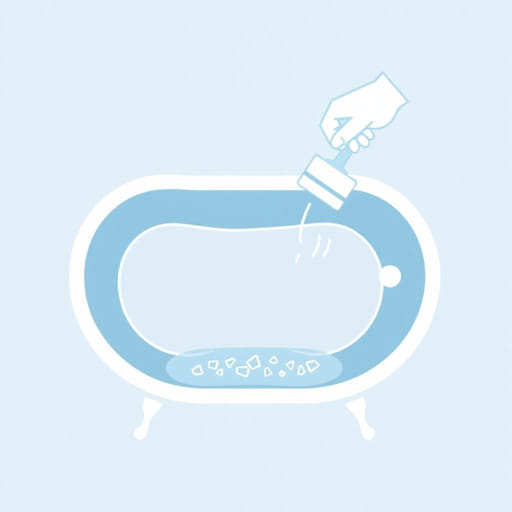
Removing old caulk from a bathtub is an essential part of maintaining a clean and mold-free bathroom. Over time, caulk can crack, discolor, or peel away, allowing water to seep behind the tub and cause damage. Whether you’re planning to re-caulk your bathtub or simply want to refresh the look of your bathroom, removing the existing sealant correctly is the first crucial step. Done properly, this task not only improves hygiene but also extends the lifespan of your tub and surrounding surfaces.
Why Removing Old Caulk Matters
Preventing Water Damage
Old or deteriorated caulk no longer forms a watertight seal between your tub and the wall. Water can penetrate these gaps, leading to mold, mildew, and eventually damage to drywall or flooring. Removing and replacing the caulk ensures that your bathroom remains waterproof and safe.
Improved Appearance
Discolored or peeling caulk can make your bathroom look dirty and neglected, no matter how clean the rest of the space is. A fresh bead of new caulk can significantly improve the overall appearance of your tub and tile work.
Tools and Materials You Will Need
- Utility knife or razor scraper
- Caulk remover tool or plastic putty knife
- Commercial caulk remover gel (optional)
- Rubbing alcohol or white vinegar
- Old rag or sponge
- Rubber gloves
- Safety goggles (recommended)
- Paper towels or cloth for cleanup
Step-by-Step Guide to Removing Caulk from Tub
Step 1: Prepare the Area
Begin by clearing the area around your bathtub. Remove toiletries, shower curtains, and any other items that may get in the way. Open windows or turn on a ventilation fan to ensure good airflow, especially if you are using chemical caulk removers.
Step 2: Soften the Old Caulk
If the existing caulk is hard or brittle, use a commercial caulk remover to soften it. Apply the remover according to the manufacturer’s instructions and let it sit for the recommended amount of time usually 15 to 30 minutes. This helps break down the bond between the caulk and the tub or wall surface.
Step 3: Cut Along the Edges
Using a sharp utility knife or razor blade, carefully score along the top and bottom edges of the caulk line. Apply gentle pressure to avoid scratching the tub or tile. This step helps separate the caulk from both surfaces and makes it easier to peel away.
Step 4: Pull Away the Old Caulk
Grab the loosened edge of the caulk and gently pull it away. Long strips may come off in one piece if the caulk is old and brittle. Use a plastic putty knife or caulk removal tool to scrape off any remaining residue. Be patient, as this step may require multiple passes to remove everything cleanly.
Step 5: Remove Residual Adhesive
Once the bulk of the caulk is removed, clean the surface using rubbing alcohol or white vinegar on a cloth or sponge. This will help dissolve any remaining adhesive and prepare the surface for new caulk. Be sure to wipe the area thoroughly and allow it to dry completely.
Step 6: Inspect and Sand (If Needed)
If any rough patches or residue remain, gently sand the surface with fine-grit sandpaper. This step ensures a smooth surface for re-caulking and improves adhesion of the new caulk. After sanding, wipe the area clean with a damp cloth and dry with a towel.
Helpful Tips for a Successful Removal
- Use a plastic scraper instead of metal to avoid scratching the tub or tile.
- Wear rubber gloves to protect your hands, especially when using chemical caulk removers.
- Apply even pressure while cutting to avoid damaging surrounding surfaces.
- Work in small sections for better control and efficiency.
- Keep a trash bag nearby to dispose of old caulk strips and used paper towels as you go.
Common Mistakes to Avoid
Using Excessive Force
Prying too hard can damage the surface of your tub or tiles. Always start with light pressure and increase it only if necessary. Using the right tools reduces the risk of damage.
Skipping the Cleaning Step
Removing visible caulk isn’t enough. Residual oils and adhesives left behind can prevent new caulk from adhering properly. Cleaning the area thoroughly is essential for a lasting seal.
Not Letting the Surface Dry
Moisture behind or around the tub can cause new caulk to fail prematurely. Always allow the area to dry for at least a few hours preferably overnight before applying fresh caulk.
When to Call a Professional
If your tub caulking is heavily mildewed, crumbling, or mold has spread to drywall, it may be best to call a professional. Similarly, if you’re dealing with unusually tough caulk that resists removal or a leak behind the wall, expert help can save time and prevent damage.
Preparing for Re-Caulking
After removal, the cleaned and dried surface is ready for new caulk. Make sure to choose the appropriate caulk for bathroom use typically 100% silicone or a mold-resistant tub and tile variety. Apply it using a caulk gun in a smooth, continuous bead, then tool it with a wet finger or finishing tool for a professional finish.
Recommended Caulk Types for Bathtubs
- Silicone-based caulk: Excellent for water resistance and flexibility
- Acrylic latex caulk with silicone: Easier to clean up and paintable
- Mildew-resistant formula: Ideal for bathrooms and wet areas
Learning how to remove caulk from a tub is a valuable home maintenance skill that helps you keep your bathroom looking fresh and functioning effectively. With the right tools, a little patience, and attention to detail, you can strip away old caulk and prepare your tub for a clean, new seal. Regular maintenance of bathroom caulking not only improves the aesthetics but also prevents costly water damage over time. By following this guide, you ensure a solid foundation for re-caulking and maintain a clean, waterproof space for years to come.