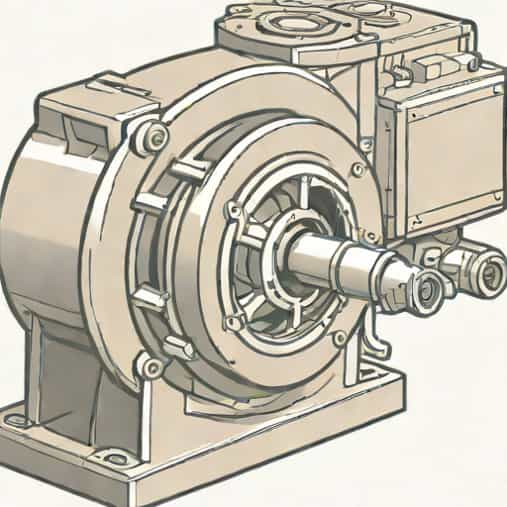
Removing an impeller from a centrifugal pump is a critical maintenance task that ensures the pump operates efficiently and reliably. The impeller is the rotating component responsible for transferring energy from the motor to the fluid, and over time, it may need to be removed for cleaning, inspection, repair, or replacement. Proper removal techniques are essential to prevent damage to the impeller, pump casing, or shaft, and to maintain the alignment and performance of the pump. Understanding the step-by-step process, required tools, and safety precautions can make this task manageable even for those with basic mechanical experience.
Understanding the Impeller and Its Function
The impeller is the heart of a centrifugal pump, designed to accelerate fluid from the pump inlet to the discharge. It consists of vanes or blades that create centrifugal force, which increases fluid pressure and flow. Impellers can be enclosed, semi-open, or open depending on the pump design, and their removal may vary accordingly. Recognizing the type of impeller and its attachment method is the first step before initiating the removal process.
Common Types of Impellers
- Closed ImpellersHave shrouds on both sides of the vanes, offering high efficiency and are commonly found in industrial pumps.
- Semi-Open ImpellersHave one shroud and are easier to clean or repair.
- Open ImpellersNo shrouds; often used for handling solids or slurries but require careful handling during removal.
Preparation Before Removal
Proper preparation is crucial to safely remove an impeller. Before beginning, ensure the pump is disconnected from the power source, and all associated piping is drained and depressurized. Gather necessary tools such as wrenches, pullers, screwdrivers, and protective equipment. Reviewing the pump’s manual can provide specific instructions regarding impeller type, fasteners, and any manufacturer-recommended procedures.
Safety Precautions
- Disconnect electrical power and lockout/tagout the pump motor.
- Drain the pump casing and associated piping to prevent fluid leakage.
- Wear protective gloves and safety glasses to protect against sharp edges and debris.
- Ensure a clean workspace with enough room to handle the impeller safely.
Removing the Pump Casing
The first step in accessing the impeller is to remove the pump casing or volute cover. The casing protects the impeller and guides the fluid through the pump. Loosening the bolts or fasteners connecting the casing to the pump body allows the casing to be removed carefully. Take care not to damage the gasket or sealing surfaces, as these will need to be reused or replaced during reassembly.
Steps for Removing the Casing
- Locate all bolts securing the pump casing to the pump frame.
- Use appropriate wrenches to loosen and remove the bolts.
- Carefully lift the casing, avoiding contact with the impeller blades.
- Inspect the gasket or seal for wear and replace if necessary.
Accessing the Impeller
With the pump casing removed, the impeller becomes accessible. Check whether the impeller is secured with a nut, key, or threaded attachment. Some impellers may have a back pull-out design allowing removal without disconnecting the pump from the piping. Understanding the attachment method is essential to prevent damage during removal.
Common Impeller Attachments
- Threaded NutSecure the impeller to the pump shaft using a locking nut.
- Keyed ImpellerUses a keyway and key to lock the impeller onto the shaft.
- Set ScrewsSmall screws securing the impeller to the shaft directly.
Removing the Impeller
Once the attachment method is identified, proceed with the removal. If the impeller is threaded, use a wrench to unscrew the nut while holding the shaft steady. For keyed impellers, remove any set screws and slide the impeller off the shaft. Sometimes, impellers may be tightly fitted due to corrosion or wear. In such cases, a puller tool can be used to gently extract the impeller without damaging the pump shaft or bearings.
Step-by-Step Impeller Removal
- Loosen any set screws or locking nuts securing the impeller.
- If necessary, use a puller tool to extract the impeller carefully.
- Check the impeller for corrosion, wear, or damage while removing.
- Place the removed impeller on a clean, safe surface for inspection or replacement.
Cleaning and Inspecting the Impeller
After removal, it is important to inspect the impeller for damage such as erosion, cracks, or worn vanes. Cleaning the impeller with a mild detergent or chemical cleaner can remove debris, scale, or deposits. Proper inspection ensures that the impeller is still suitable for use or identifies the need for replacement to maintain pump efficiency.
Inspection Checklist
- Check for worn or damaged vanes and shrouds.
- Inspect the keyway or threaded connections for damage.
- Look for corrosion, cracks, or excessive wear.
- Clean thoroughly to remove deposits or scale buildup.
Reinstallation Considerations
After removing and inspecting the impeller, reinstallation requires careful alignment to avoid vibration or damage. Ensure the pump shaft is clean and lubricated if recommended. Reinstall the impeller using the correct torque specifications and reassemble the casing with new or inspected gaskets. Proper alignment and secure attachment are crucial for efficient pump operation and longevity.
Tips for Reinstallation
- Lubricate the shaft lightly to ease impeller installation.
- Ensure the impeller is centered and aligned with the pump shaft.
- Tighten nuts, set screws, or keys according to manufacturer specifications.
- Replace gaskets or seals as needed to prevent leaks.
Preventive Maintenance
Regular maintenance can reduce the need for frequent impeller removal. Monitoring pump performance, checking for vibration or unusual noise, and periodically cleaning the pump can extend the life of the impeller. Preventive measures help maintain pump efficiency and reduce downtime.
Maintenance Tips
- Schedule periodic inspections for wear and tear.
- Keep the pump clean and free from debris or sediment.
- Monitor vibration and flow rate to detect early issues.
- Lubricate bearings and shaft as recommended by the manufacturer.
Removing the impeller from a centrifugal pump requires careful planning, the right tools, and adherence to safety procedures. Understanding the pump design, preparing the workspace, accessing and removing the impeller, and inspecting it thoroughly are key steps for successful maintenance. Following proper reinstallation and preventive practices ensures that the pump continues to operate efficiently and reliably. With these steps, technicians and operators can manage impeller maintenance confidently and prolong the life of their centrifugal pumps.