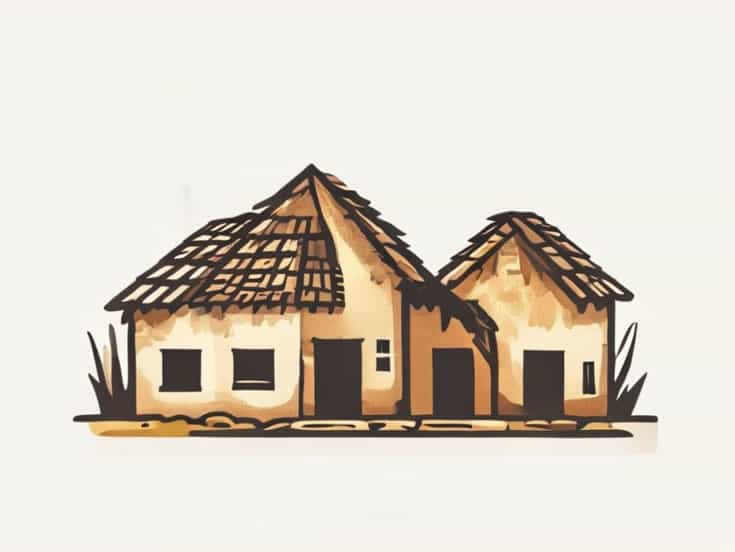
The Neolithic Age marked a turning point in human history, when people began to settle in permanent communities rather than moving constantly as hunters and gatherers. One of the clearest signs of this change was the way houses were built. Learning how houses were built in the Neolithic Age helps us understand early human innovation, daily life, and the development of agriculture. These early homes were shaped by available materials, climate, and social needs, reflecting a deep connection between humans and their environment.
The Transition to Permanent Settlements
Before the Neolithic period, most humans lived a nomadic lifestyle, moving in search of food. With the development of farming, people no longer needed to travel constantly. This shift encouraged the construction of permanent dwellings.
Neolithic houses were designed to provide long-term shelter, protect stored food, and support family life. The move toward settled living influenced the size, shape, and durability of homes.
Materials Used in Neolithic Houses
The materials used to build houses in the Neolithic Age depended largely on what was locally available. Early builders relied on natural resources found near their settlements.
Stone
In regions where stone was abundant, such as parts of Europe and the Near East, houses were often constructed using stone walls. Stone provided strength and durability, making these homes suitable for long-term use.
Stone houses were especially common in areas with limited access to wood.
Wood and Timber
In forested regions, wood was the primary building material. Timber frames formed the structure of many Neolithic houses.
Wooden posts were driven into the ground to support walls and roofs, creating stable frameworks.
Mud, Clay, and Earth
Mud and clay were widely used in Neolithic construction. One common technique was wattle and daub, which involved weaving wooden branches together and coating them with a mixture of mud, clay, and straw.
This method provided insulation and was relatively easy to repair.
Construction Techniques
Neolithic builders did not have metal tools, so they relied on stone tools, bone implements, and wooden equipment. Despite these limitations, they developed effective construction methods.
Foundation Preparation
Before building a house, early people often prepared the ground by leveling it or digging shallow foundations. This helped stabilize the structure and protect it from water.
In some settlements, floors were made of packed earth or clay, creating smooth and durable surfaces.
Wall Construction
Walls were built using stacked stones, wooden frameworks filled with earth, or mud bricks shaped and dried in the sun.
These walls provided protection from weather and helped regulate indoor temperatures.
Roofing Methods
Roofs were usually made from organic materials such as straw, reeds, grass, or wooden planks. These materials were layered to create thatched roofs.
Thatched roofs were effective at shedding rain and insulating the interior.
House Shapes and Layouts
The shape and layout of Neolithic houses varied widely across regions and cultures. However, certain patterns can be identified.
Round Houses
Many early Neolithic homes were circular in shape. Round houses were structurally stable and easier to build with limited tools.
The circular design also reduced the amount of material needed for walls and roofs.
Rectangular Houses
As construction techniques improved, rectangular houses became more common. These structures allowed for more efficient use of space.
Rectangular layouts also made it easier to expand homes or build them close together in villages.
Interior Features of Neolithic Homes
Inside Neolithic houses, space was organized to support daily activities such as cooking, sleeping, and storage.
Hearths and Fireplaces
Most houses included a central hearth used for cooking, warmth, and light. The hearth was the heart of the home.
Smoke escaped through openings in the roof or walls.
Storage Areas
With the rise of agriculture, storing food became essential. Clay pots, baskets, and pits were used to store grains and other supplies.
Some houses had designated storage rooms or raised platforms.
Sleeping Spaces
Sleeping areas were often simple, consisting of animal skins, woven mats, or straw placed on the floor.
Families typically shared a single living space.
Village Organization and Community Living
Neolithic houses were often grouped together in villages. These settlements reflected cooperation and shared resources.
Homes were arranged around open spaces used for communal activities, rituals, or work.
Regional Differences in Neolithic Housing
The way houses were built in the Neolithic Age varied significantly by region.
Near East
In the Near East, mud brick houses were common. Settlements such as early farming villages featured tightly packed rectangular homes.
Europe
In parts of Europe, longhouses made of wood and thatch were used. These large structures sometimes housed extended families and animals.
Asia and Other Regions
In Asia, earth-sheltered homes and raised wooden houses were adapted to local climates and environments.
Social Meaning of Neolithic Houses
Houses in the Neolithic Age were more than shelters. They represented stability, ownership, and family identity.
Permanent homes allowed for the development of social structures, traditions, and community bonds.
Technological Innovation and Adaptation
Although Neolithic builders lacked advanced tools, they demonstrated creativity and problem-solving skills.
Over time, construction methods improved, leading to stronger and more complex buildings.
Environmental Considerations
Neolithic people built homes that suited their environment. Materials were chosen for insulation, durability, and availability.
This sustainable approach minimized waste and ensured long-term survival.
Legacy of Neolithic Housing
The basic principles of Neolithic house construction influenced later architectural developments. The use of foundations, walls, roofs, and organized living spaces continues today.
Many modern building techniques can trace their roots back to these early innovations.
Understanding how houses were built in the Neolithic Age reveals the ingenuity of early humans as they adapted to settled life. Using stone, wood, mud, and natural materials, they created durable and functional homes.
These houses supported family life, agriculture, and community development. The Neolithic approach to building laid the foundation for future architectural progress and remains a vital chapter in human history.