When it comes to baked goods, terminology can often lead to confusion, especially when it varies across regions. One such example is the humble flapjack. In the United Kingdom, a flapjack is a sweet, chewy oat bar typically made from rolled oats, butter, sugar, and golden syrup. Meanwhile, in the United States, the term flapjack is simply another name for a pancake. So when someone asks, Is a flapjack a cake? the answer isn’t as straightforward as you might think it depends on where you are and how you define cake. Exploring the origin, ingredients, and classification of flapjacks can help clarify the matter.
Understanding the British Flapjack
What Is a Flapjack in the UK?
In British baking, a flapjack is a type of tray-baked bar made from simple pantry staples. These oat bars are cut into squares or rectangles and often enjoyed as a snack or a sweet treat with tea. The classic version is soft, chewy, and rich, while some variations add dried fruits, nuts, or chocolate chips for extra flavor and texture.
Key Ingredients
- Rolled oats
- Butter
- Brown sugar or demerara sugar
- Golden syrup (or a similar sweet syrup like honey or corn syrup)
These ingredients are mixed, pressed into a baking tray, baked until golden, and then cut while still warm.
Is It Technically a Cake?
In the British sense, a flapjack does not fit the traditional definition of a cake. Cakes typically involve a batter made with flour, eggs, sugar, and a leavening agent like baking powder or soda. They rise when baked, resulting in a soft, airy texture. Flapjacks, by contrast, are dense, chewy, and do not rise. Still, because they are sweet, baked, and often served in similar contexts, some people loosely refer to them as a type of cake.
What Is a Flapjack in the United States?
The American Flapjack
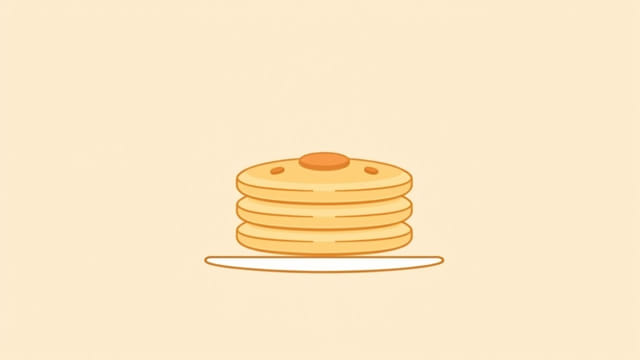
In the U.S., the word flapjack is synonymous with pancake. It refers to a flat, round cake made from a batter of flour, eggs, milk, and baking powder, cooked on a griddle or frying pan. Pancakes, or flapjacks, are typically served stacked and topped with butter, syrup, or fruit.
Comparison with Cake
In this sense, a flapjack is still not a cake by standard definition, but it shares some characteristics. Pancakes are made with cake-like ingredients, and their texture is somewhat similar to a very thin sponge cake. However, they are cooked on a stovetop rather than baked in an oven, which is a key difference between them and traditional cakes.
Cake vs. Bar: What’s the Real Classification?
Definitions Matter
To determine whether a flapjack is a cake, it helps to look at the definition of both:
- Cake: A baked sweet dessert made from a mixture of flour, sugar, eggs, and fat, usually with a light and fluffy texture.
- Bar: A baked good that is denser and often cut into portions after baking, usually without leavening or rising much during the bake.
British flapjacks fall more into the bar category rather than cake, given their texture and lack of rising agents.
Legal Definitions
Interestingly, in the UK, the classification of flapjacks has even been debated for tax purposes. The British tax system treats cakes and biscuits differently for value-added tax (VAT), and the classification of certain products has had financial implications. Flapjacks are considered cakes in this context, further blurring the lines between dessert categories.
How Flapjacks Are Enjoyed Around the World
In the UK and Ireland
British flapjacks are popular lunchbox items and coffee shop staples. Their simple recipe makes them a go-to for home bakers, and they are often customized with flavors like cinnamon, raisins, or chocolate drizzle. They are chewy, sweet, and satisfying without being overly indulgent.
In the US and Canada
In North America, flapjacks or pancakes are a breakfast favorite. Served hot and fluffy, they’re often part of a hearty morning meal. Unlike British flapjacks, they are usually eaten with forks and knives rather than fingers.
Why the Confusion Exists
Cultural Differences in Food Names
The main reason for the confusion lies in regional differences in terminology. Words like biscuit, pudding, and flapjack have very different meanings depending on the English-speaking country. This makes food-related questions, especially ones about classification, harder to answer without context.
Marketing and Packaging
Some snack bars are labeled as flapjack cakes or oat cakes, further muddying the waters. While technically inaccurate, these names often reflect marketing choices aimed at emphasizing a product’s appeal rather than its precise culinary definition.
Homemade Flapjacks: Are You Baking a Cake?
When It Feels Like Cake
Some homemade flapjack recipes are more elaborate, with the addition of flour, eggs, or baking powder. These versions blur the line and might resemble cakes more closely in texture or structure. They may still be referred to as flapjacks, but in these cases, you could argue they edge into cake territory.
Gluten-Free and Vegan Variations
Many modern recipes adapt the traditional flapjack to suit dietary needs. Gluten-free oats, plant-based butter, and alternative syrups like agave are common. These versions still maintain the chewy bar-like consistency and are rarely mistaken for actual cake, despite being baked and sweetened.
So, is a flapjack a cake? Technically speaking, no at least not in the culinary sense. A traditional British flapjack is a dense oat bar, more similar to a granola bar than a sponge cake. In the United States, a flapjack refers to a pancake, which also isn’t quite a cake in the classic sense, although it shares some ingredients and texture. The confusion largely arises from regional language differences and the overlap in characteristics between cakes, bars, and pancakes. Whether you call it a cake or a snack bar, one thing is clear: flapjacks, in all their forms, are delicious, satisfying, and deeply loved across cultures.