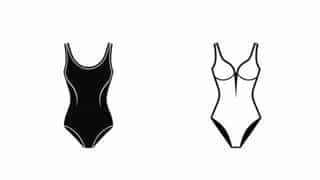
When it comes to athletic or performance wear, the distinction between a leotard and a swimsuit can sometimes be confusing. At first glance, both garments appear remarkably similar: tight-fitting, one-piece, often sleeveless, and made of stretchy material. This resemblance leads many people to wonder whether a leotard can be used as a swimsuit or vice versa. While they may share visual features, the differences in their materials, design purposes, and intended environments are what truly set them apart.
Understanding the Purpose of a Leotard
What is a Leotard?
A leotard is a form-fitting garment that covers the torso but leaves the legs free. It is commonly worn by dancers, gymnasts, acrobats, and sometimes as a base layer in costume design. Leotards are designed to allow freedom of movement while providing a snug fit, which helps with body alignment and performance precision in physical activities.
Materials Used in Leotards
Leotards are typically made from fabrics like cotton blends, spandex (also known as Lycra), nylon, or polyester. The key feature of these fabrics is their elasticity, which helps the garment conform to the shape of the wearer’s body and move along with it. While these materials are stretchy and comfortable, not all are suitable for prolonged exposure to water or harsh pool chemicals like chlorine.
Swimsuits: Designed for the Water
What is a Swimsuit?
A swimsuit is designed specifically for water activities. Whether it’s swimming in a pool, relaxing at the beach, or engaging in water sports, swimsuits are made to resist moisture, dry quickly, and hold their shape even when wet. They come in many styles, including one-piece suits, bikinis, and swim trunks.
Key Characteristics of Swimwear
Swimsuits are often made with materials that are resistant to water, chlorine, and UV rays. These include:
- Chlorine-resistant polyester blends
- Nylon with added spandex or elastane for stretch
- Quick-drying and fade-resistant fabric treatments
These design elements ensure that a swimsuit remains functional and attractive even after repeated exposure to swimming pools or salt water.
Can You Use a Leotard as a Swimsuit?
Technically Possible, But Not Ideal
While a leotard might look like a swimsuit and could technically be worn in water, it is generally not recommended for regular use as swimwear. Here are some reasons why:
- Water absorption: Many leotards are made of materials that absorb water rather than repel it, leading to discomfort and heaviness when wet.
- Stretch degradation: Exposure to chlorine or salt water can degrade the elastic fibers in a leotard much faster than in a swimsuit, causing sagging and loss of shape.
- Drying time: Cotton-based leotards take longer to dry than swimwear fabrics, making them impractical for extended water use.
When It Might Be Acceptable
There are certain instances where using a leotard as a swimsuit may be acceptable. For example:
- A one-time photoshoot by the pool
- A spontaneous splash in shallow water where performance isn’t a concern
- Swim-themed performances or synchronized swimming costumes, provided the leotard is made from swim-safe fabric
In such cases, some leotards are specifically manufactured using swim-appropriate materials, blurring the line between the two garments. Always check the label to determine if the garment is suitable for swimming.
Design Differences Between Leotards and Swimsuits
Cut and Structure
Though similar in silhouette, leotards and swimsuits differ in structural design:
- Leg openings: Swimsuits often have higher-cut leg openings to improve range of motion in water, while leotards may have more conservative cuts for performance aesthetics.
- Lining: Swimsuits typically include a lining or built-in support for modesty and shape retention. Leotards may lack such features unless designed for stage wear.
- Seams and stitching: Swimsuits are designed with water movement in mind, meaning their seams are flat-locked or bonded to reduce chafing and drag. Leotards prioritize mobility and body contouring.
Intended Use and Function
The primary difference is functionality. A leotard is made for dry environments think gymnasiums, dance studios, or stages while swimsuits are made for wet settings and are constructed to perform under different physical stresses. For example, a swimsuit must remain tight and in place while being pushed around by water, whereas a leotard must allow full flexibility without needing to withstand water pressure.
Care and Longevity
Leotard Care
To preserve elasticity and fabric color, leotards should be washed in cold water and air-dried. They are sensitive to heat and chemicals, and harsh detergents can cause breakdown of the fibers. Frequent washing is necessary due to sweat buildup from intense activity.
Swimsuit Care
Swimwear requires similar care, but with additional steps to remove chlorine and salt. Rinsing a swimsuit immediately after use is essential to prevent fiber damage. Many swimsuits are treated to resist fading and stretching, but this protection diminishes over time without proper care.
Choosing the Right Garment
Know Your Activity
Choosing between a leotard and a swimsuit depends entirely on the activity you’re preparing for. If you plan to engage in:
- Dancing or gymnastics: Opt for a leotard designed for comfort and flexibility.
- Swimming or beachwear: Choose a swimsuit that is resistant to water, quick-drying, and durable.
- Multi-purpose wear: Look for crossover designs made from swim-friendly materials that can double as leotards or swimsuits.
Consider Fabric Composition
Always check the label for fabric composition. A nylon-spandex blend may be more suitable for occasional swimming, while cotton-spandex is best kept on dry land. If a garment is labeled as swimwear compatible, it can likely be used in water without concern.
In summary, although a leotard and a swimsuit may look similar, they are designed with different purposes and materials in mind. A leotard is not a swimsuit, even if it shares a similar silhouette. Using a leotard for swimming may be possible on rare occasions, but it’s not ideal for regular water use due to potential damage and discomfort. Understanding the key differences between these garments helps ensure proper usage, longer wear life, and maximum comfort during your activity whether in the studio or the water.