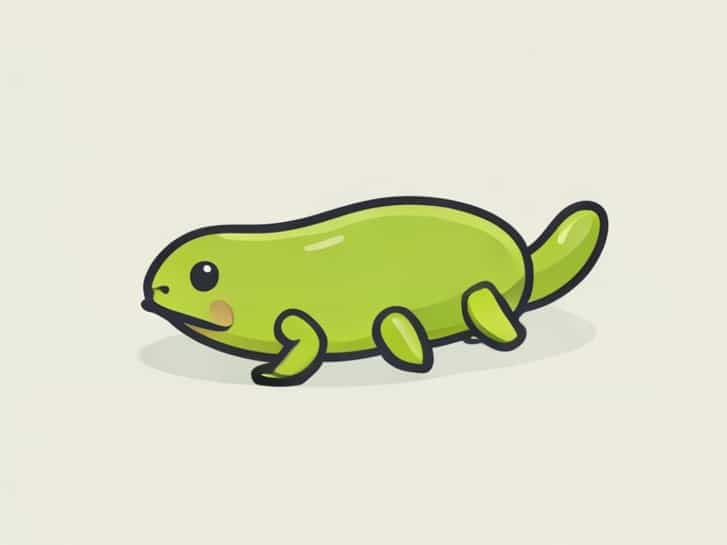
Many people who spend time near ponds, streams, or wetlands have heard the words pollywog and tadpole used to describe small, wriggling aquatic creatures. These terms often appear in children’s books, nature discussions, and casual conversations about frogs and their life cycle. This leads to a common and understandable question is a pollywog the same as a tadpole? The answer is simple on the surface, but the background behind these words reveals interesting details about language, biology, and how humans describe nature.
Understanding the Basic Definition
In everyday usage, a pollywog and a tadpole refer to the same stage in a frog or toad’s life cycle. Both words describe the larval stage that emerges from an egg before developing into an adult amphibian. At this stage, the creature lives in water, breathes through gills, and moves using a tail rather than legs.
From a scientific point of view, there is no biological distinction between a pollywog and a tadpole. Biologists and zoologists typically use the word tadpole in formal writing, while pollywog is considered a more informal or regional term.
Where the Word Tadpole Comes From
The word tadpole has roots in Middle English. It comes from tadde, meaning toad, and pol, meaning head. The name reflects the appearance of the larva, which seems to be mostly a head with a long tail.
Tadpole is widely accepted in scientific literature, educational materials, and biology textbooks. When researchers describe the amphibian life cycle, they almost always use the term tadpole rather than pollywog.
The Origin of the Term Pollywog
Pollywog is believed to be a variation of the word polliwig or polwig, which also referred to a tadpole centuries ago. Over time, the spelling and pronunciation evolved into pollywog, especially in American English.
This term became popular in informal speech and storytelling. It is often used with children because it sounds playful and memorable. In some regions, especially in parts of the United States, pollywog is still commonly used in everyday conversation.
Regional Language Differences
One reason people ask whether a pollywog is the same as a tadpole is due to regional language differences. In some areas, people grow up hearing only one term and may not realize they describe the same animal.
For example, in many rural communities, older generations may use the word pollywog, while schools and educational programs teach the word tadpole. This can make the terms seem different even though they are not.
The Amphibian Life Cycle Explained
To fully understand the connection between pollywogs and tadpoles, it helps to look at the frog life cycle. Frogs and toads go through a process called metamorphosis, which involves dramatic physical changes.
- Egg Frogs lay eggs in water, often in clusters or jelly-like masses.
- Larva The eggs hatch into tadpoles, also known as pollywogs.
- Development Legs begin to grow, lungs develop, and the tail slowly shrinks.
- Adult The fully formed frog leaves the water and lives mostly on land.
During the larval stage, whether you call it a tadpole or a pollywog, the creature is adapted entirely to life in water.
Physical Characteristics of a Tadpole or Pollywog
At this stage, the amphibian has a rounded body, a long tail, and no legs at first. It swims using side-to-side movements of its tail. Tadpoles breathe through gills, much like fish, and feed mainly on algae and plant matter.
As development continues, small hind legs appear, followed by front legs. The tail gradually shortens as it is absorbed back into the body, providing energy for growth.
Scientific Perspective on Naming
From a scientific perspective, naming consistency matters. This is why tadpole is preferred in research and academic contexts. Using a single, widely accepted term helps avoid confusion in scientific communication.
Pollywog, while accurate in meaning, is rarely used in formal biology papers. It remains a colloquial term rather than a technical one.
Use of the Terms in Education
In classrooms, teachers usually introduce children to the word tadpole when explaining amphibian development. However, some educators may mention pollywog as an alternative name to help students recognize both terms.
This approach can be helpful, especially for children who have heard the word pollywog at home or in stories. It reinforces the idea that language can vary while still referring to the same concept.
Cultural and Storytelling Influence
The word pollywog often appears in folklore, children’s stories, and informal nature writing. Its playful sound makes it appealing in creative contexts. Tadpole, on the other hand, sounds more neutral and scientific.
Both words reflect how humans relate to nature, blending observation with language that feels familiar and expressive.
Are There Any Situations Where They Are Different?
In practical terms, no. There is no biological situation where a pollywog is different from a tadpole. Any perceived difference comes purely from language use, not from science.
If someone claims that one term refers to frogs and the other to toads, that is a misconception. Both frog and toad larvae are called tadpoles, and informally, pollywogs.
Why This Question Is So Common
The question is a pollywog the same as a tadpole remains common because people encounter these terms in different settings. Books, conversations, and regional dialects all influence understanding.
Curiosity about nature often leads people to ask about names and classifications, especially when different words seem to describe similar things.
Importance of Clear Understanding
Understanding that pollywog and tadpole mean the same thing helps clear confusion and supports better learning. It also highlights how language evolves and adapts over time.
Recognizing synonyms in nature-related terms encourages curiosity and deeper exploration rather than misunderstanding.
So, is a pollywog the same as a tadpole? Yes, they are the same. Both words describe the larval stage of frogs and toads before they undergo metamorphosis into adult amphibians. The difference lies not in biology but in language and usage. Tadpole is the standard scientific term, while pollywog is a more informal, regional expression. Understanding this distinction enriches both scientific knowledge and appreciation for the way people talk about the natural world.