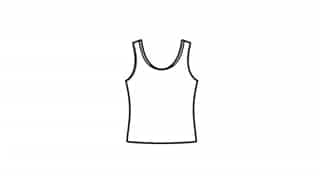
In the world of men’s fashion, certain terms often carry different meanings depending on cultural background, geography, and context. One such term is ‘wife beater,’ a slang name that has sparked confusion and controversy for decades. At first glance, some may assume it’s a different kind of clothing, while others recognize it as a specific style of sleeveless undershirt. But is a wife beater actually a vest? This question may seem simple, yet it brings with it a mixture of cultural interpretations, fashion terminology, and linguistic evolution worth exploring in detail.
Understanding the Term Wife Beater
The term wife beater refers to a specific style of men’s undershirt typically sleeveless, ribbed, and made of cotton. It is most commonly white and worn snugly against the body. Despite its popularity as a basic wardrobe item, the name itself is controversial and considered offensive by many. It originated from negative stereotypes and media portrayals linking the garment to domestic violence, especially when depicted on aggressive male characters in movies and TV shows.
It’s important to understand that while the garment itself is neutral, the nickname it’s been given is problematic. In modern discussions, many prefer to use alternative terms such as tank top, sleeveless undershirt, or simply ribbed cotton vest. These terms strip away the negative connotations and focus solely on the style of clothing.
Vest vs. Wife Beater: Are They the Same?
To determine whether a wife beater is a vest, it helps to clarify what each term means. The word vest can have different definitions based on region:
- In the United Kingdom, a ‘vest’ usually refers to an undershirt, including sleeveless styles worn under regular clothing for warmth or modesty.
- In the United States, a ‘vest’ typically means a sleeveless outer garment worn over a shirt, often part of a formal outfit (such as a three-piece suit).
Given this difference, a wife beater would be considered a vest in the UK, but not in the US. In American English, the more appropriate term would be tank top when describing the same item. This is why people sometimes get confused when they hear the term used in different countries.
The Fashion Function of the Wife Beater
Despite the name, the garment remains a common piece in men’s wardrobes due to its practicality and comfort. It is usually worn:
- Underneath dress shirts to absorb sweat and provide an extra layer
- As a casual top in hot weather or during athletic activities
- As sleepwear due to its lightweight and breathable fabric
Its snug fit and ribbed cotton construction make it a go-to base layer for many men. It also serves as an iconic piece in streetwear and pop culture, often worn solo with jeans or joggers for a laid-back look.
Regional Language and Cultural Interpretations
Much of the confusion surrounding the term wife beater stems from the differences in regional language. In the UK, the term vest is broadly used for innerwear, including sleeveless and short-sleeved options. In this sense, a wife beater does qualify as a vest. In contrast, Americans generally do not refer to undershirts as vests. They distinguish between outerwear vests and innerwear tank tops.
In countries influenced by British English such as India, South Africa, or Australia the term vest is more commonly used in the British sense. Meanwhile, American pop culture continues to spread the slang term wife beater, even though many are beginning to reject it for being insensitive and outdated.
The Importance of Terminology in Clothing
Language plays a crucial role in how we perceive clothing and, by extension, the people who wear it. While the garment referred to as a wife beater may be functionally identical to a tank top or undershirt, the term carries cultural baggage that affects its reception. For this reason, many brands and fashion writers avoid using it altogether, opting instead for terms that are neutral and descriptive.
Alternative terms include:
- Sleeveless undershirt
- Ribbed tank top
- White tank
- Basic cotton vest (in British English)
Using these alternatives not only avoids offense but also brings more clarity, especially for international audiences. Whether you’re shopping online or discussing clothing preferences, understanding the correct terminology helps prevent misunderstandings.
How the Garment Became Popular
The sleeveless undershirt, now known by many names, became popular in the early 20th century. Initially intended to be worn underneath dress shirts, it provided an affordable and practical solution for men in working-class jobs. Over the decades, it became symbolic of masculinity, toughness, and sometimes rebellion thanks in part to film icons like Marlon Brando in ‘A Streetcar Named Desire’ and Bruce Willis in ‘Die Hard.’
Its popularity spread from Hollywood to street fashion, and today it is worn by people of all genders, often as a standalone top in casual or summer outfits. In contemporary fashion, designers have reimagined the style with luxury fabrics, colors, and branding, bringing new life to what was once a simple undergarment.
Is It Still Appropriate to Use the Term Wife Beater?
Although still used in informal conversations, the term is widely seen as inappropriate in today’s cultural climate. Its association with domestic abuse is not something to be taken lightly. Many fashion editors, retailers, and influencers are now careful to avoid it, recognizing the need for sensitivity in language especially in global markets.
If you’re referring to the garment in writing, speech, or sales, it’s best to use terms like tank top, undershirt, or vest depending on your region. These alternatives convey the same meaning without the harmful implications.
So, Is a Wife Beater a Vest?
Yes in certain parts of the world, a wife beater is considered a type of vest, especially in British and Commonwealth English. However, in American English, it’s more accurately described as a tank top or sleeveless undershirt. While the garment itself remains a staple in men’s fashion, the term used to describe it should be chosen carefully. Understanding the regional language differences and cultural context can help clarify the meaning and avoid potentially offensive terms.
Ultimately, what we call this item of clothing may seem like a small detail, but it reflects broader conversations about language, identity, and respect. Whether you’re shopping, styling an outfit, or simply discussing fashion, using the right words can make all the difference.