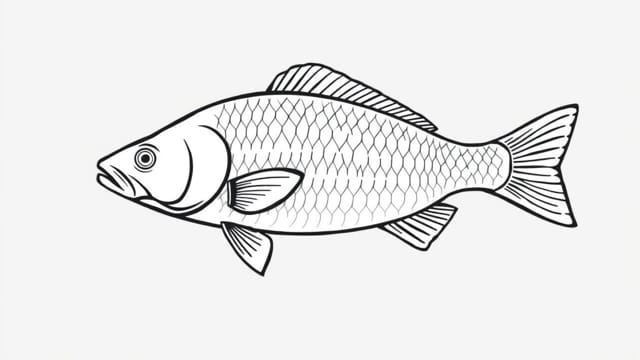
When it comes to lesser-known freshwater fish, the bighead carp often sparks curiosity. Known for its large head and silver-gray body, this species is common in rivers and lakes across Asia and parts of North America. While many people are familiar with common fish like tilapia or catfish, fewer know about the culinary potential of bighead carp. The question many people ask is simple: is bighead carp good to eat? The answer may surprise you. This fish not only offers a healthy protein source but can also be delicious when prepared properly. Let’s explore its flavor, texture, nutritional benefits, and best cooking practices to help determine whether it’s worth adding to your plate.
What Is Bighead Carp?
Bighead carp (Hypophthalmichthys nobilis) is a freshwater fish native to China and commonly found in rivers like the Yangtze. It has since been introduced to many other regions, particularly in the United States, where it was brought in for aquaculture purposes. It is one of the Asian carp species and is known for growing quickly and consuming large amounts of plankton.
Distinct Characteristics
- Large head and wide mouth
- Silvery body with scattered dark markings
- Grows rapidly and can reach over 40 pounds
- Filter feeder, feeding primarily on plankton
Because of its diet and rapid growth, bighead carp plays a unique ecological role and is also a fish with a clean flavor profile, which makes it a surprisingly good candidate for human consumption.
Is Bighead Carp Safe to Eat?
Yes, bighead carp is safe to eat and is widely consumed in parts of Asia. In fact, it has been a part of traditional Chinese cuisine for centuries. The fish is not only edible but also offers a variety of nutritional benefits. Unlike some bottom-feeding fish that may carry pollutants, bighead carp is a filter feeder, which generally results in cleaner, safer meat.
Nutritional Profile
- High in protein
- Low in saturated fat
- Rich in omega-3 fatty acids
- Contains essential vitamins like B12 and D
Many nutritionists agree that freshwater fish like bighead carp can be a healthy alternative to red meat, especially when grilled, steamed, or baked without heavy sauces or deep frying.
Flavor and Texture of Bighead Carp
The flavor of bighead carp is often described as mild and slightly sweet. It lacks the overly fishy taste that some people find off-putting in other types of freshwater fish. The flesh is white and flaky, and when cooked properly, it has a tender yet firm texture. However, one downside often mentioned is the presence of many small bones, which can make preparation a bit more involved.
Comparisons to Other Fish
- Versus Tilapia: Bighead carp has a richer flavor and firmer texture.
- Versus Catfish: Less muddy taste, especially if caught from clean water.
- Versus Salmon: Lower in fat but still provides a good amount of omega-3s.
If you’re used to eating tilapia or cod, bighead carp can offer a fresh, affordable alternative with a similar culinary application.
How to Cook Bighead Carp
Like most fish, the taste and texture of bighead carp can vary depending on how it’s prepared. Many people enjoy it in soups, stews, or steamed with ginger and herbs. In some cultures, it’s even deep-fried whole and served with dipping sauces. Because of its bone structure, careful filleting is recommended, or you can use it in dishes where bones are easy to remove while eating.
Popular Cooking Methods
- Steaming: Preserves moisture and highlights the natural sweetness of the flesh
- Frying: Creates a crispy outer layer, often used for whole fish presentations
- Baking: Allows for the use of herbs, lemon, and light seasonings
- Soup/Stew: Helps soften bones and create a rich, nutritious broth
Using aromatic ingredients like ginger, garlic, green onions, or soy sauce can enhance the taste of the fish and minimize any earthy notes it might have from its environment.
Is Bighead Carp Good for the Environment?
Interestingly, choosing to eat bighead carp can also be an environmentally friendly decision especially in North America. In regions like the Mississippi River basin, bighead carp is considered an invasive species. It competes with native fish for food and disrupts the local ecosystem. By eating more of this fish, consumers can actually help control its population.
Eco-Friendly Protein Source
- Helps reduce pressure on overfished species
- Supports local fishing industries
- Promotes sustainable use of invasive species
Many environmental advocates are encouraging consumers to embrace bighead carp as a responsible seafood choice that benefits both health and ecology.
Challenges of Cooking and Eating Bighead Carp
While there are many benefits to eating bighead carp, it’s not without its challenges. The most significant issue for many people is dealing with the bones. Unlike boneless fillets of tilapia or cod, bighead carp has many Y-shaped bones that require either careful preparation or cooking methods that soften the bones.
Tips for Easier Preparation
- Use a sharp fillet knife to remove as many bones as possible
- Consider pressure cooking or slow stewing to soften small bones
- Try grinding the flesh for use in fish cakes or patties
Once you get past the bone issue, the flavor and texture make bighead carp a rewarding ingredient for many home cooks and chefs alike.
Global Popularity and Cultural Use
In Asia, especially in China, bighead carp is a common dish during celebrations and family gatherings. It’s often steamed whole or used in elaborate soups. In the West, however, the fish has yet to reach mainstream popularity mainly due to its image and unfamiliarity. But with growing interest in alternative proteins and sustainable seafood, bighead carp is starting to gain attention.
Regions Where It’s Popular
- China: steamed or cooked in hot pot dishes
- Vietnam: grilled or fried with lemongrass
- United States: growing interest due to invasive species control
The global variety of recipes showcases just how versatile and tasty this fish can be when embraced by different culinary traditions.
So, is bighead carp good to eat? The answer is a clear yes provided it’s prepared with care. Its mild flavor, high protein content, and environmental benefits make it a strong candidate for your next fish-based meal. While the bones may be a hurdle for some, the taste and health advantages outweigh the inconvenience. With growing interest in sustainable food sources and traditional cooking methods, bighead carp deserves a spot on the dinner table. Whether steamed with ginger, cooked in a rich stew, or fried until golden brown, bighead carp can be both delicious and responsible. All it takes is a little culinary curiosity and a willingness to try something new.