For individuals with gluten sensitivity or celiac disease, understanding which foods are naturally gluten free is essential. Cornstarch is commonly used in cooking and baking, especially as a thickening agent for sauces, soups, and desserts. With the increasing number of gluten-free diets, many people are asking: is cornstarch gluten free? The answer depends on how it’s made and processed, but in its pure form, cornstarch is naturally gluten free. Still, there are a few important details to be aware of if you’re managing a strict gluten-free lifestyle.
What Is Cornstarch?
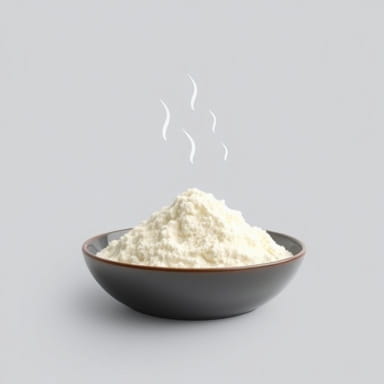
Cornstarch is a fine, white powder derived from the starchy part of the corn kernel, also known as the endosperm. It’s used in a variety of culinary applications for its ability to thicken liquids and create smooth textures in food. Cornstarch has no strong flavor, making it ideal for both savory and sweet dishes.
Common Uses of Cornstarch
- Thickening soups, gravies, and sauces
- Creating crispy coatings for fried foods
- Improving the texture of baked goods
- Preventing clumping in powdered sugar or shredded cheese
Because it’s made from corn and not wheat, barley, or rye, cornstarch is inherently free of gluten in its raw form. However, this doesn’t always guarantee that every brand of cornstarch on the market is completely safe for people with gluten intolerance.
Is Cornstarch Naturally Gluten Free?
Yes, pure cornstarch is naturally gluten free. Corn is not a gluten-containing grain, and the process of extracting starch from corn involves separating it from the protein and fiber components. This results in a fine powder that is almost 100% starch with no protein meaning no gluten.
Gluten is a group of proteins found in certain grains, primarily wheat, rye, and barley. Since corn is a completely different grain, it does not naturally contain any gluten proteins. Therefore, if you’re using pure cornstarch from a trusted source, it should be safe for a gluten-free diet.
Cross-Contamination Risks
Even though cornstarch itself doesn’t contain gluten, it can become contaminated during processing or packaging if it’s handled in facilities that also process gluten-containing grains. This is known as cross-contamination, and it can pose a significant risk for individuals with celiac disease or severe gluten sensitivity.
How Cross-Contamination Happens
- Shared equipment used to mill wheat flour and cornstarch
- Packaging in facilities that handle gluten products
- Bulk bins at grocery stores where scoops are shared
To reduce this risk, it’s important to look for cornstarch that is labeled as ‘gluten free’ by the manufacturer. This label indicates that the product has been tested and meets strict guidelines for gluten-free certification, typically less than 20 parts per million (ppm) of gluten.
Gluten-Free Certification and Labeling
If you follow a gluten-free diet for medical reasons, it’s not enough to assume that all cornstarch is safe. You need to be sure that the product has been tested and certified to meet gluten-free standards. In many countries, including the U.S. and Canada, the term ‘gluten free’ on a label is regulated and must meet specific criteria.
What to Look for on the Label
- A clear ‘gluten free’ label on the packaging
- Information about dedicated gluten-free processing facilities
- Third-party gluten-free certification seals (such as GFCO or NSF)
Brands that produce only gluten-free products or that have dedicated gluten-free production lines are often the safest choice for people with celiac disease.
Is Modified Cornstarch Gluten Free?
Another point of confusion is modified cornstarch. The term ‘modified’ refers to the way the starch is treated to change its properties, usually to improve its stability or thickening ability under different conditions. Modified cornstarch is still made from corn and does not automatically contain gluten.
However, in some countries, modified food starch can be made from wheat or other gluten-containing grains. In the United States, if modified food starch is made from wheat, it must be declared on the ingredient label due to allergen labeling laws. So, if you see modified food starch on a product and it does not specify the source, it’s safest to contact the manufacturer or choose a product labeled gluten free.
How to Use Cornstarch in Gluten-Free Cooking
Cornstarch is a fantastic ingredient for gluten-free cooking and baking when used correctly. It’s commonly used as a replacement for flour in recipes that need thickening. However, it behaves differently than wheat flour, so adjustments may be necessary.
Tips for Using Cornstarch
- Mix with cold liquid: Always mix cornstarch with cold water to create a slurry before adding it to hot liquids to prevent clumping.
- Cook thoroughly: Cornstarch must be cooked to activate its thickening properties. Allow the mixture to simmer until thickened.
- Do not overcook: Overheating cornstarch can cause the mixture to thin out again after thickening.
- Use the right amount: About 1 tablespoon of cornstarch thickens 1 cup of liquid.
When used properly, cornstarch provides a silky texture to soups and sauces, without the grittiness or heaviness that some gluten-free flours can add.
Alternatives to Cornstarch for Gluten-Free Diets
If you’re looking for variety or have a corn allergy in addition to avoiding gluten, several gluten-free starches can be used as alternatives to cornstarch.
Popular Gluten-Free Alternatives
- Arrowroot powder: A root starch that thickens at lower temperatures and creates a glossy finish
- Tapioca starch: Derived from cassava, great for baking and thickening
- Potato starch: Neutral flavor and excellent for gluten-free baking
- Rice flour: Works well as a thickener and in batter mixes
These starches are useful in many of the same ways as cornstarch and can help diversify your gluten-free cooking options.
Cornstarch, in its pure form, is gluten free and safe for most people following a gluten-free diet. However, due to the possibility of cross-contamination during processing or packaging, it’s crucial to check labels carefully. Opt for brands that clearly label their cornstarch as gluten free and that are certified by trusted third parties. Understanding how to use cornstarch effectively can help you create smooth, flavorful, and safe dishes for those avoiding gluten. Whether you’re thickening a sauce or baking a gluten-free dessert, cornstarch remains a valuable and versatile ingredient in any kitchen.