Many people who hear heart-related medical terms for the first time often feel confused, especially when words sound very similar. A common question that comes up in clinics, classrooms, and online searches is whether an electrocardiogram is the same as electrocardiography. These two terms are closely connected and often used together, but they do not mean exactly the same thing. Understanding the difference can help patients, students, and curious readers feel more confident when discussing heart health, medical tests, and diagnostic procedures.
Understanding the basic terms
To understand whether an electrocardiogram is the same as electrocardiography, it helps to break down the words themselves. Both terms come from similar roots related to electricity, the heart, and recording or writing.
An electrocardiogram usually refers to the actual record or output produced after a heart test. Electrocardiography, on the other hand, refers to the process or method used to record the heart’s electrical activity. This distinction may seem small, but it is important in medical language.
What is electrocardiography?
Electrocardiography is the medical procedure used to measure and record the electrical signals generated by the heart. During this process, small sensors called electrodes are placed on the skin, usually on the chest, arms, and legs. These electrodes detect electrical impulses that occur as the heart beats.
The purpose of electrocardiography is to observe how the heart is functioning. It allows healthcare professionals to assess heart rhythm, heart rate, and certain structural or electrical abnormalities. Electrocardiography itself is not a result or document, but rather the technique used to gather heart data.
How the procedure works
During electrocardiography, the patient lies still while the electrodes capture electrical signals. The test is painless, non-invasive, and typically takes only a few minutes. The electrical signals are then transmitted to a machine that processes the information.
- Electrodes are attached to specific points on the body
- The heart’s electrical impulses are detected
- The signals are translated into visual data
This process is widely used in hospitals, clinics, and emergency settings.
What is an electrocardiogram?
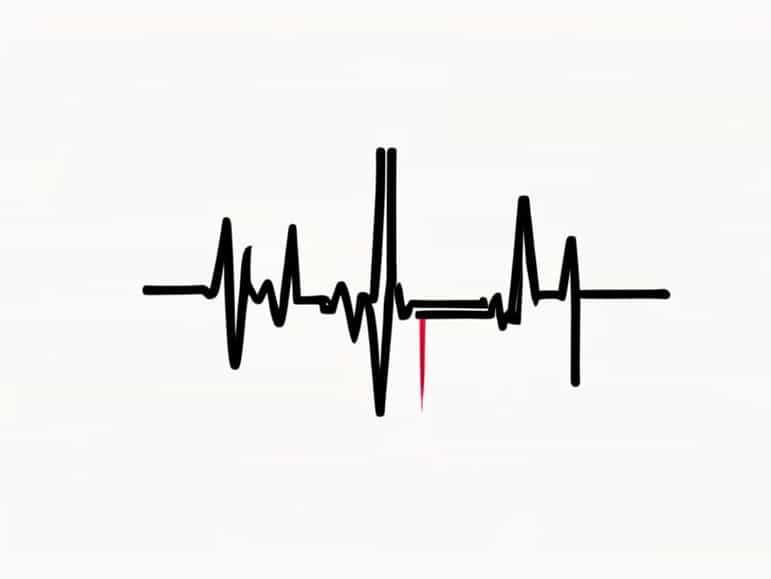
An electrocardiogram, often abbreviated as ECG or EKG, is the visual or printed result produced by electrocardiography. It is the chart or graph that shows the heart’s electrical activity over a period of time.
The electrocardiogram displays a series of waves and lines that represent different phases of the heart’s electrical cycle. Doctors analyze this graph to identify normal patterns or potential problems.
What the electrocardiogram shows
The electrocardiogram provides valuable information about how the heart is working. Each wave on the graph corresponds to a specific electrical event in the heart.
- Heart rate and rhythm
- Timing of electrical impulses
- Signs of heart muscle damage or stress
Because of this, the electrocardiogram is a key diagnostic tool in cardiology.
Key differences between electrocardiogram and electrocardiography
Although the terms are related, they are not interchangeable in a strict sense. The main difference lies in what each term refers to. Electrocardiography is the procedure or technique, while the electrocardiogram is the output or recording.
In simple terms, electrocardiography is what you do, and the electrocardiogram is what you get. This distinction is similar to photography, where taking a photo is the process and the photograph is the result.
Why the terms are often confused
One reason people ask if an electrocardiogram is the same as electrocardiography is because the words are used interchangeably in casual conversation. Even healthcare professionals may shorten explanations and use one term when referring broadly to heart testing.
Additionally, patients are more likely to remember the term electrocardiogram because it refers to the tangible result they see or receive. The technical process behind it, electrocardiography, may not always be explained in detail.
Common abbreviations and language use
Abbreviations contribute to the confusion as well. ECG and EKG are commonly used to describe both the test and the result. In everyday language, people may say they are getting an ECG, which technically refers to undergoing electrocardiography.
Despite this overlap, understanding the correct usage is helpful in academic, clinical, and educational contexts.
Importance in medical diagnosis
Whether discussing electrocardiography or an electrocardiogram, both play a vital role in diagnosing heart conditions. The process allows clinicians to gather data, while the electrocardiogram provides the information needed for interpretation.
Doctors use electrocardiograms to detect conditions such as irregular heart rhythms, signs of heart attacks, and other cardiac abnormalities. The accuracy of electrocardiography directly affects the reliability of the electrocardiogram.
Situations where electrocardiography is used
Electrocardiography is used in many medical situations, from routine checkups to emergency care. It is one of the most commonly performed heart tests worldwide.
- Routine health examinations
- Emergency evaluation of chest pain
- Monitoring heart conditions over time
In all of these cases, the final electrocardiogram helps guide medical decisions.
Learning and teaching the difference
For students and patients alike, learning the difference between an electrocardiogram and electrocardiography can improve communication with healthcare providers. It also helps when reading medical reports or educational materials.
While it is not necessary for everyone to use the terms perfectly, knowing their meanings adds clarity and confidence when discussing heart health.
Simple way to remember the distinction
A helpful way to remember the difference is to focus on the endings of the words. Electrocardiography ends with graphy, which often refers to a process or method. Electrocardiogram ends with gram, which usually refers to a recorded result.
This small language clue can make it easier to recall which term refers to the procedure and which refers to the outcome.
Final clarification on the relationship between the two
So, is an electrocardiogram the same as electrocardiography? They are closely related but not exactly the same. Electrocardiography is the process of recording the heart’s electrical activity, while the electrocardiogram is the actual record produced by that process.
Understanding this difference can help reduce confusion and improve conversations about heart testing and medical care. Both terms are essential in cardiology, and together they represent one of the most valuable tools for understanding heart health.