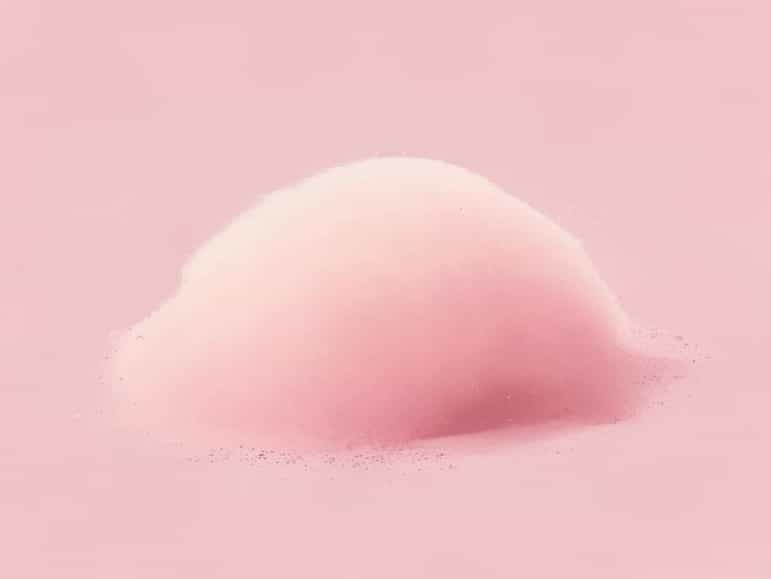
Colors can be surprisingly tricky to describe, especially when two shades seem almost identical at first glance. This is exactly what happens with the terms dusty pink and dusky pink. People often use them interchangeably, but they actually refer to two different tones. Understanding the difference helps in choosing colors for clothing, makeup, interior design, crafts, or branding projects. Because pink has many variations, learning how to distinguish these two soft shades makes color selection easier and more precise.
Understanding Dusty Pink
Dusty pink is a muted, soft pink with a subtle gray undertone. This gives it a gentle, vintage, almost powdery appearance. It is often associated with romantic themes, nostalgic styles, and minimalist designs. Dusty pink remains popular in fashion and décor because it blends well with both warm and cool colors.
Characteristics of Dusty Pink
- A muted or faded pink appearance.
- A gray or beige undertone that softens the color.
- A gentle, subdued tone rather than a bright or bold one.
- A balanced look that works well in neutral color schemes.
Dusty pink is frequently used in wedding palettes, vintage-inspired interiors, and capsule wardrobes. Its soft tone makes it feel both calming and elegant.
Understanding Dusky Pink
Dusky pink, on the other hand, tends to be slightly deeper and richer. Instead of leaning toward gray, it often has a hint of mauve or muted plum. Dusky pink maintains softness, but it feels more dramatic and moody compared to dusty pink. Many people choose dusky pink for evening outfits, intimate décor, and artwork that requires emotional depth.
Characteristics of Dusky Pink
- A deeper shade of pink with more intensity.
- Cooler undertones such as mauve or purple.
- A moodier, more romantic feel compared to dusty pink.
- A richer appearance that stands out more in low lighting.
Dusky pink is often seen in modern interior design, autumn color palettes, and fashion choices that aim for sophistication with a touch of mystery.
Key Differences Between Dusty Pink and Dusky Pink
Although dusty pink and dusky pink share a similar softness, they diverge in the way they incorporate undertones and intensity. These differences impact how each color behaves when paired with other shades or displayed under different lighting conditions.
1. Undertone
The undertone creates the biggest distinction
- Dusty pinkleans toward gray or beige.
- Dusky pinkleans toward mauve or muted purple.
This slight shift dramatically changes how the color feels. Dusty pink is airy and vintage, while dusky pink feels deeper and more expressive.
2. Intensity
Dusty pink appears softer and lighter due to its gray tint. Dusky pink is deeper because of its purple influence, giving it a stronger visual presence.
3. Mood and Style
- Dusty pinksoft, romantic, minimalist.
- Dusky pinkmoody, dramatic, sophisticated.
These emotional tones influence how designers and stylists choose which shade to use.
4. Lighting Reaction
Dusty pink can look almost neutral in dim light, while dusky pink maintains its richness even in softer lighting. This makes dusky pink a favorite for evening events or cozy décor settings.
When to Choose Dusty Pink
Choosing between the two colors depends on the atmosphere you want to create. Dusty pink works especially well when you want a light or subtle touch of color without overwhelming the space or outfit.
Dusty Pink Works Well For
- Weddings with soft, romantic themes.
- Home décor emphasizing minimalism or neutral palettes.
- Everyday fashion pieces like sweaters, dresses, and scarves.
- Makeup looks such as soft blush or natural lipstick shades.
- Branding that aims for calm, friendly, approachable tones.
Because dusty pink blends easily with beige, taupe, cream, and gray, it is a versatile option for anyone who prefers gentle and understated colors.
When to Choose Dusky Pink
Dusky pink is ideal when you want deeper emotion and a hint of drama while still keeping the warmth of pink. It adds richness without jumping to bold or bright colors.
Dusky Pink Works Well For
- Evening outfits or formal wear.
- Cozy interior themes, such as autumn palettes or vintage-modern blends.
- Bold lipstick or eyeshadow colors in makeup.
- Artwork and crafts that require depth and moodiness.
- Branding with a sophisticated or romantic edge.
Dusky pink pairs beautifully with charcoal gray, deep green, black, navy, and gold accents, making it easier to create dramatic contrasts.
Why the Confusion Between Dusty and Dusky Pink?
It’s common for people to mix up the terms because they sound similar and belong to the same family of muted pinks. Both shades also fall between soft pastel and dark rose tones, making them visually close.
Reasons for Confusion
- Both are subdued, muted shades of pink.
- The names sound much alike, especially when spoken quickly.
- Different industries may use the terms inconsistently.
- Lighting can make a dusky shade look dusty and vice versa.
Because of these overlapping factors, people sometimes refer to both shades with the same name, even though their undertones differ.
How to Tell the Difference Quickly
If you’re unsure whether a color is dusty pink or dusky pink, the easiest way is to look at the undertone and depth. Even without professional tools, your eyes can catch subtle differences if you compare the color with neutral shades.
Quick Identification Tips
- Hold the color next to gray if it blends softly, it may be dusty pink.
- Hold the color next to purple if it shifts toward mauve, it may be dusky pink.
- Consider the mood lighter and softer usually means dusty; deeper and moodier points to dusky.
- Check under multiple lighting conditions to see how the color behaves.
With practice, the distinction becomes more obvious.
How Designers Use Dusty and Dusky Pink
In design fields, choosing the exact shade is essential. Both dusty pink and dusky pink can influence the feeling of a room, a brand identity, or an outfit. Designers often select one over the other to create a specific emotional tone.
In Fashion
Dusty pink is commonly used in casual wear, spring outfits, and bridal collections. Dusky pink is favored for elegant dresses, outerwear, and seasonal pieces meant for fall or winter.
In Interior Design
Dusty pink offers a soft, airy feel for bedrooms, living rooms, or nursery spaces. Dusky pink creates warmth and depth in dining rooms, studies, or accent walls.
In Makeup
Dusty pink works well for natural, everyday looks. Dusky pink suits bolder glamour styles or evening makeup.
Choosing Dusty or Dusky Pink
Whether you prefer dusty pink or dusky pink depends on the mood, style, and effect you want to achieve. Dusty pink gives a soft, delicate, and neutral vibe with its gray-toned softness. Dusky pink, with its mauve undertone and richer depth, brings emotional warmth and sophistication. Both shades are beautiful in their own ways and can enhance fashion, décor, or creative projects when used thoughtfully. By understanding the differences and the emotional tones they create, you can choose the pink that best matches your vision and personal style.