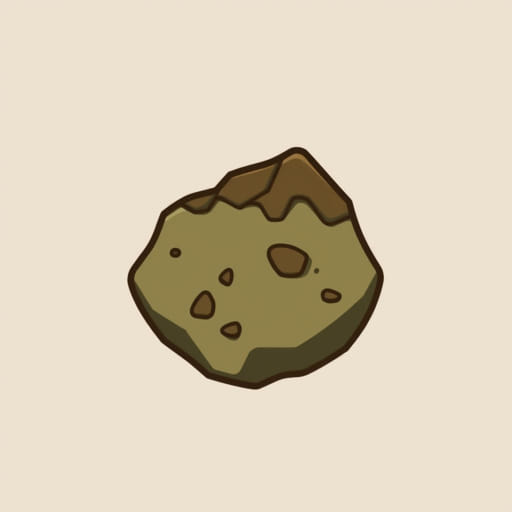
In the world of Terraria, understanding how different blocks interact with biomes is crucial for long-term survival and building. One question that frequently comes up among both new and experienced players is: is mud corruptible in Terraria? This is especially important when planning your world layout or protecting key areas from biome spread. Mud blocks are common in jungle biomes and are essential for growing jungle-specific resources, so their vulnerability or lack thereof to corruption, crimson, or hallow can have significant consequences in your gameplay.
Understanding Biome Spread in Terraria
How Corruption, Crimson, and Hallow Spread
In Terraria, once hardmode begins usually triggered by defeating the Wall of Flesh evil biomes like Corruption and Crimson, as well as the Hallow, begin to spread aggressively. These biome types convert adjacent blocks into biome-specific versions, changing the look and properties of the terrain. The spread mechanics are based on proximity and the type of block being targeted.
The most common blocks affected by biome spread include:
- Dirt Blocks
- Stone Blocks
- Sand Blocks
- Grass and Jungle Grass
Players often worry about which blocks to use in construction or which materials might serve as natural barriers. In this context, the corruptibility of mud becomes a key topic.
Can Mud Be Corrupted in Terraria?
Mud Block Properties
Mud is a soft, dark-colored block found mostly in the Underground Jungle biome. It is essential for growing jungle plants, including glowing mushrooms and jungle grass. On its own, mud is not susceptible to being converted directly by Corruption, Crimson, or Hallow.
However, mud is not entirely safe. While the block itself does not transform into an evil or hallowed version, the grass growing on it can be overtaken. Jungle grass that grows on mud can be corrupted or crimsoned, which can cause other effects in your world, especially concerning enemy spawns.
Jungle Grass and Biome Spread
Jungle grass is the real vulnerability. When Corruption or Crimson reaches jungle grass growing on mud, it can be converted into thorny corruption or crimson grass. Once this happens, the biome effectively starts to spread across the mud by converting the jungle grass itself. This means the mud block isn’t changing form, but the grass it supports is being overridden by the biome’s influence.
This biome conversion can disrupt the jungle ecosystem, potentially replacing helpful NPC spawn conditions, and increasing the spawn rate of dangerous enemies. The lush green Jungle can slowly transform into a corrupted, thorny landscape unless action is taken to stop the spread.
How to Protect Mud from Corruption
Preventing Biome Spread
There are several strategies players can use to prevent their mud blocks and jungle areas from being overrun by corruption:
- Isolation: Create vertical shafts at least three tiles wide around jungle areas to act as barriers that evil biomes cannot cross.
- Use Non-corruptible Blocks: Line borders with blocks that do not spread or accept biome infection, such as clay, ash, or dungeon bricks.
- Clentaminator: Use this tool with appropriate solutions to cleanse corrupted or crimsoned grass from jungle regions. This can be expensive, but it’s effective for large areas.
- Digging Trenches: Three-block-wide trenches with walls removed can prevent grass from spreading and keep evil biomes at bay.
By taking these steps, players can preserve their jungle biome and protect mud blocks from the indirect effects of corruption through grass conversion.
Chlorophyte and Mud Relationship
Another important reason to protect mud blocks in the jungle is their connection with chlorophyte ore. In hardmode, chlorophyte naturally grows in mud blocks located in the Underground Jungle. If the grass growing on these blocks is corrupted or crimsoned, it can slow or even stop the growth of chlorophyte, limiting your access to a vital resource for armor and weapons.
Key Takeaways for Terraria Players
Mud Blocks Are Not Directly Corruptible
To answer the main question: no, mud blocks themselves are not corruptible in Terraria. They do not turn into corrupted mud or crimson mud. However, they are indirectly affected by biome spread because of the jungle grass that grows on them. This means while mud is technically safe, it can still act as a medium for biome conversion through its vegetation.
Implications for World Planning
If you’re planning to preserve your jungle biome, farm chlorophyte, or create jungle-themed builds, understanding this distinction is critical. You’ll want to take steps to isolate your mud blocks from spreading evil biomes. Otherwise, you may find your jungle filled with thorns, crimson monsters, and a lack of critical resources.
Safe Building Practices
When building farms or artificial jungles in Terraria, especially in hardmode, always consider the materials used nearby. Avoid planting jungle grass or placing mud adjacent to blocks that can be corrupted or crimsoned. Use barriers or safe zones to help maintain control over biome spread.
In summary, while mud blocks in Terraria are not directly corruptible by Corruption, Crimson, or Hallow, they are not completely immune to biome influence. The jungle grass that grows on mud can be overtaken by evil biomes, making mud a vulnerable target in an indirect way. Understanding this nuance is essential for any Terraria player looking to preserve their jungle, harvest chlorophyte, or build in mud-rich regions. Protecting your jungle should be a top priority in hardmode if you want to maintain the unique benefits and aesthetics that come with this biome.