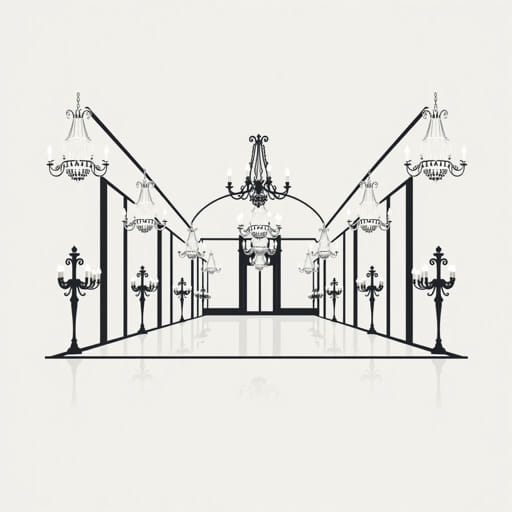
The Hall of Mirrors is one of the most famous and visually stunning features of the Palace of Versailles, a symbol of French grandeur and royal opulence. This magnificent gallery has captured the imagination of visitors for centuries with its dazzling array of mirrors, chandeliers, and intricate decorations. Many people wonder about its exact location and significance specifically, is the Hall of Mirrors actually located in Versailles? The answer is yes, and understanding its history, design, and role within the palace enriches the appreciation of this iconic architectural masterpiece.
Location of the Hall of Mirrors
The Palace of Versailles
The Palace of Versailles, located about 20 kilometers southwest of Paris, was originally a hunting lodge before King Louis XIV transformed it into a sprawling royal residence in the 17th century. Versailles became the center of political power and court life in France until the French Revolution.
The Hall of Mirrors, or Galerie des Glaces in French, is situated within this grand palace. It connects the King’s apartments with the Chapel and the gardens, serving as a central and highly visible corridor.
Exact Placement within the Palace
The Hall of Mirrors stretches along the central axis of the palace’s main body. It runs approximately 73 meters (about 240 feet) long and is located on the first floor, overlooking the extensive formal gardens through seventeen large arched windows. Opposite these windows, seventeen equally sized mirrors line the wall, creating a striking interplay of light and reflection.
This unique placement within Versailles offers a breathtaking view of the gardens while reflecting the natural light throughout the gallery, enhancing the sense of space and luxury.
Architectural and Artistic Significance
Design and Decoration
The Hall of Mirrors was designed by the architect Jules Hardouin-Mansart and decorated by the painter Charles Le Brun in the late 17th century. Its design is a testament to the artistic and architectural mastery of the French Baroque period.
The walls are adorned with intricate gilded moldings, crystal chandeliers hang from the ceiling, and the ceiling itself features grandiose paintings depicting the achievements of Louis XIV, emphasizing his power and divine right to rule.
The Mirrors and Their Symbolism
At the time of construction, mirrors were rare and expensive luxury items. The decision to line an entire gallery wall with mirrors opposite windows was revolutionary, symbolizing wealth, power, and innovation.
The mirrors also served a practical function reflecting light to brighten the long gallery and impress visitors with an overwhelming sense of splendor.
Historical Importance of the Hall of Mirrors
A Venue for Royal Ceremonies
The Hall of Mirrors was used for many significant court events, ceremonies, and celebrations during the reign of Louis XIV and subsequent monarchs. It was a place where the king displayed his wealth and authority to nobles and foreign dignitaries.
Events such as royal weddings, receptions, and diplomatic meetings were held here, with the grandeur of the hall underscoring the prestige of the French monarchy.
Site of the Treaty of Versailles
One of the most historically momentous events to take place in the Hall of Mirrors was the signing of the Treaty of Versailles in 1919, which officially ended World War I. Representatives of the Allied Powers and Germany gathered in this opulent setting to sign the peace treaty, making the hall a symbol of international diplomacy and resolution.
Tourism and Modern-Day Significance
Visiting the Hall of Mirrors Today
Today, the Hall of Mirrors remains one of the most visited and photographed parts of the Palace of Versailles. Tourists from around the world flock to experience its breathtaking beauty and historical ambiance firsthand.
Visitors can walk along the gallery, admire the craftsmanship, and glimpse the gardens through the large windows. The hall also hosts occasional exhibitions and cultural events, maintaining its role as a space of significance.
Preservation Efforts
Due to its age and importance, extensive preservation and restoration efforts have been undertaken to maintain the Hall of Mirrors in its original splendor. These efforts ensure that the hall’s mirrors, paintings, and architectural features remain intact for future generations to appreciate.
Is the Hall of Mirrors in Versailles? Absolutely. This magnificent gallery is a central part of the Palace of Versailles and a symbol of French royal power, artistic achievement, and historical significance. Its location within the palace, its architectural brilliance, and its role in pivotal historical events make the Hall of Mirrors a must-see landmark. Understanding its context enriches any visit and highlights why the Palace of Versailles continues to captivate people worldwide with its blend of beauty, history, and grandeur.