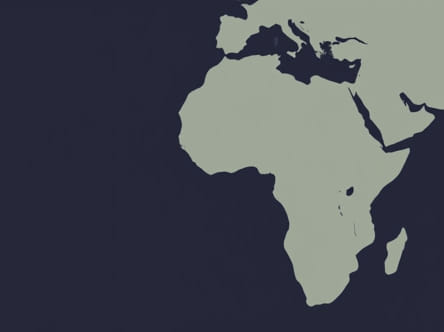
Uganda is a country in East Africa that attracts attention for its natural beauty, diverse wildlife, and geographic significance. One of the most frequently asked questions by travelers and geography enthusiasts is is Uganda on the Equator? The answer is yes. The Equator runs directly through Uganda, making it one of the few countries in the world where you can stand in both the Northern and Southern Hemispheres at the same time. This geographic location not only adds to Uganda’s tourism appeal but also plays a major role in its climate, biodiversity, and cultural identity.
Understanding the Equator
What is the Equator?
The Equator is an imaginary line that circles the Earth horizontally at 0 degrees latitude. It divides the planet into the Northern and Southern Hemispheres and is known for receiving direct sunlight throughout the year. As a result, equatorial regions tend to have warm and stable climates with limited seasonal variation. Countries located along the Equator often experience high humidity and abundant rainfall, which influences the types of ecosystems found there.
Global significance of the Equator
Being located on the Equator has various geographical, environmental, and even cultural implications. Equatorial regions are typically rich in biodiversity, home to rainforests, and support unique wildlife. The position also affects time zones and day lengths, with nearly equal daylight hours year-round. Uganda’s location on the Equator offers all these characteristics and more, influencing everything from agriculture to tourism.
Uganda’s Location on the Equator
Geographic position in Africa
Uganda is a landlocked country in East Africa bordered by Kenya to the east, South Sudan to the north, the Democratic Republic of the Congo to the west, Rwanda to the southwest, and Tanzania to the south. The Equator cuts through the central part of Uganda, crossing several regions and towns. This makes Uganda one of the thirteen countries in the world through which the Equator passes.
Specific places where the Equator crosses
There are several well-known spots in Uganda where visitors can stand on the Equator and experience this natural boundary
- Kayabwe (Mpigi District)Probably the most famous Equator landmark in Uganda, located along the Masaka Road. Tourists often stop here for photos, souvenirs, and science demonstrations related to the Coriolis effect.
- Kasese DistrictNear Queen Elizabeth National Park, another Equator marker lies close to wildlife-rich areas, making it a great stop for safari-goers.
- Nanyuki and other lesser-known spotsThere are other crossings throughout Uganda, though less frequented by tourists. They remain significant to locals and travelers interested in geography.
Effects of the Equator on Uganda’s Climate
Equatorial climate characteristics
Uganda has a tropical climate, largely due to its equatorial position. However, variations in elevation and terrain across the country lead to different weather patterns in different regions. The central and southern parts of Uganda are generally warm and humid, while the southwestern highlands are cooler. Northern Uganda tends to be drier, particularly during the dry season.
Rainfall patterns and agriculture
The Equator’s influence results in two main rainy seasons in most parts of Uganda March to May and September to November. These rainy periods are crucial for agriculture, as the majority of Uganda’s population relies on farming. Crops such as bananas, coffee, maize, and tea flourish in this climate, benefiting from the regular rainfall and fertile volcanic soils.
Tourism Opportunities Along the Equator
Equator landmarks and attractions
Uganda has taken advantage of its position on the Equator to develop tourism. The Equator markers in places like Kayabwe attract thousands of visitors each year. These locations often feature
- Educational demonstrations showing how water swirls differently in each hemisphere
- Souvenir shops selling local crafts and Equator-themed items
- Photo spots for standing on the Equator line
- Restaurants and cafes offering refreshments to travelers
Combining Equator visits with other attractions
Many visitors combine their Equator stop with other iconic Ugandan destinations. For example
- Queen Elizabeth National ParkLocated near the Equator in western Uganda, this park is famous for its wildlife, including lions, elephants, and hippos.
- Lake VictoriaAfrica’s largest lake, partially located in southern Uganda, also lies near the Equator and offers boating and cultural experiences.
- Kampala and EntebbeThese major cities are close to the Equator and serve as convenient starting points for travel in Uganda.
Scientific Curiosity and Cultural Significance
Equator experiments and myths
Visitors to Uganda’s Equator often witness or participate in experiments that demonstrate the Coriolis effect how water drains in opposite directions depending on the hemisphere. Although some of these demonstrations are simplified or exaggerated, they provide an engaging way to learn about geography and physics. Local guides often use these moments to explain natural phenomena in a fun and interactive manner.
Beyond science, the Equator holds symbolic meaning for many people. Being able to stand on the dividing line between hemispheres offers a unique experience that is both educational and memorable. It is not uncommon for travelers to document their visit with photos and journals, making it a bucket-list item for many tourists to Uganda.
Incorporation into Ugandan identity
The Equator is more than just a geographic line it has become a point of pride for Uganda. It appears in educational curriculums, promotional materials, and even local artwork. Schools often take field trips to Equator sites, and Ugandans are proud to live in a country that lies on such a globally recognized landmark. The Equator symbolizes Uganda’s connection to the Earth and its natural balance.
So, is Uganda on the Equator? Yes, and its equatorial position has far-reaching impacts on the country’s environment, culture, and tourism. From the scientific fascination of the Equator line to the lush greenery made possible by regular rainfall, Uganda’s location plays a critical role in shaping its identity. Whether you’re a traveler, a student of geography, or simply curious, Uganda offers a rare opportunity to experience life on the Equator firsthand. Its central position on the globe makes it not just a point on a map, but a dynamic and living part of the Earth’s system. Uganda’s Equator is more than a line it’s a journey into the heart of Africa and a reminder of the planet’s interconnected nature.