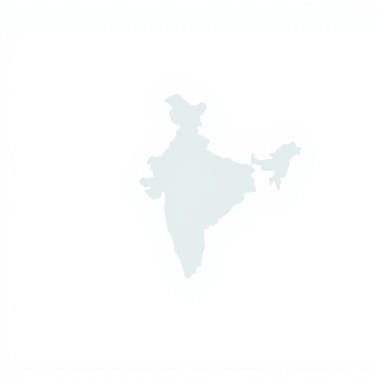
India, with its vast and diverse geography, stretches from the icy mountains of the Himalayas in the north to the tropical coastline in the south, and from the arid deserts of the west to the lush hills of the east. While much attention is given to its northern borders and cultural centers, the easternmost part of India holds unique geographical, cultural, and strategic significance. This far-eastern region, nestled deep in the Eastern Himalayas, often escapes the limelight, but it serves as a gateway to Southeast Asia and is home to indigenous communities, unspoiled nature, and important border territories. Understanding this area helps us grasp not only India’s full territorial extent but also the complex geopolitics and cultural richness of the region.
The Easternmost Part of India Dong in Arunachal Pradesh
The easternmost part of India is a small village named Dong, located in the Anjaw district of Arunachal Pradesh. This remote village sits at an elevation of around 1,240 meters and is near the tri-junction of India, China, and Myanmar. What makes Dong particularly special is that it is the first place in India to witness the sunrise each day, a fact that has made it a minor point of tourism and national pride.
Geographically, Dong lies at approximately 28°16²N latitude and 97°01²E longitude. The village is surrounded by the Lohit Valley and dense forests, which make access difficult but the scenery breathtaking. The Lohit River, a tributary of the Brahmaputra, flows nearby and adds to the natural beauty of the region.
Geopolitical Significance
The easternmost region of India carries significant geopolitical weight. Arunachal Pradesh shares international borders with three countries China to the north, Bhutan to the west, and Myanmar to the east. This makes the state strategically important for national security and border management. China claims parts of Arunachal Pradesh as its territory, referring to it as South Tibet.” As a result, India maintains a strong military presence in this area and invests in infrastructure development, including roads and communication systems, to ensure national security and connectivity.
The easternmost part, especially Dong and nearby Kibithu, is very close to the Line of Actual Control (LAC) with China. Indian Army posts in these areas serve as vital observation and defense points. The Indian government has also built highways and bridges to improve military logistics and civilian access in these border regions.
Cultural and Ethnic Diversity
Dong and its surrounding areas are inhabited by the Meyor tribe, a small ethnic community with distinct cultural traditions. Arunachal Pradesh as a whole is one of the most culturally diverse states in India, with over 26 major tribes and more than 100 sub-tribes. The people in the easternmost region speak various local dialects and follow traditional religions such as animism, though some communities have adopted Buddhism or Christianity over time.
The lifestyle in this remote region is deeply connected to nature. Agriculture is the main source of livelihood, and festivals are celebrated with local dance, music, and food. The region has remained relatively untouched by rapid urban development, preserving indigenous knowledge and customs that date back centuries.
Flora and Fauna
The easternmost part of India, located in the Eastern Himalayas, is also part of one of the world’s most biodiverse regions. The combination of altitude, rainfall, and isolation has created unique ecosystems. Dense forests, bamboo groves, and alpine meadows dominate the landscape. Wildlife includes red pandas, clouded leopards, Himalayan black bears, and numerous bird species.
Due to its ecological richness, the area is under environmental protection. However, challenges such as deforestation, poaching, and climate change are ongoing threats that require careful management. Conservation efforts are often carried out in partnership with local communities who depend on the forest for survival but also have traditional knowledge about sustainable practices.
Connectivity and Infrastructure
Reaching the easternmost part of India is not easy. Dong can be accessed via the town of Tezu and then Hayuliang, followed by a trek or travel on rough roads to Anjaw district. The region has seen gradual development, with new roads, helipads, and bridges being constructed under programs like the Border Roads Organisation (BRO) and Special Accelerated Road Development Programme for North East (SARDP-NE).
Despite its isolation, the government has made efforts to bring essential services like healthcare, education, and electricity to this region. Mobile network coverage remains limited, and schools are often located far from villages, but development is steadily improving.
Tourism Potential
Although not widely known, the easternmost part of India has the potential to be a destination for eco-tourism and cultural tourism. Trekkers, nature enthusiasts, and those seeking solitude are increasingly drawn to this region. Attractions include early sunrise treks in Dong, visits to traditional tribal villages, and exploration of pristine landscapes. However, permits are required for non-residents and international tourists due to the region’s sensitive location.
- Best Time to VisitOctober to April, avoiding the monsoon season.
- Popular Nearby PlacesWalong, Kibithu, and the Lohit River Valley.
- Recommended ActivitiesSunrise viewing, hiking, wildlife spotting, and cultural interactions.
Challenges Faced by the Region
The easternmost region of India, despite its beauty and significance, faces multiple challenges. Its remoteness makes the delivery of basic services difficult. Landslides, poor road conditions, and frequent power cuts are part of daily life. Additionally, the youth often migrate to cities in search of better education and job opportunities, leading to depopulation in some areas.
Another concern is the delicate balance between development and preservation. While infrastructure is necessary for both civilian life and national defense, it must not come at the cost of ecological degradation or cultural erosion. Development policies must be inclusive, sustainable, and sensitive to local traditions and environments.
Future Prospects
The Indian government continues to emphasize the importance of its northeastern states, including Arunachal Pradesh. Projects like the Trans-Arunachal Highway, improved air connectivity, and digital inclusion are transforming lives slowly but surely. The inclusion of border villages like Dong in national development schemes shows a growing awareness of the region’s importance.
As India strengthens ties with neighboring countries through initiatives like the Act East Policy, the easternmost part of the country is likely to see more attention in terms of cross-border trade, cultural exchange, and tourism development. Local communities, if supported properly, can play a vital role in promoting sustainable growth and maintaining national integrity.
Dong, the easternmost part of India, is more than just a geographical point on the map. It represents the nation’s outer edge, touching borders with neighbors and standing as a symbol of resilience, diversity, and natural splendor. Although remote, its strategic location, cultural richness, and ecological value make it an essential part of India’s identity. With responsible development and greater national focus, this part of the country can shine as a model of balanced growth, where tradition and progress coexist harmoniously.