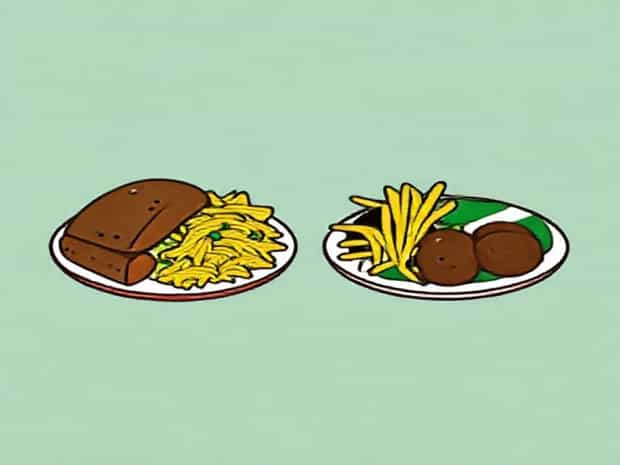
Caribbean cuisine is renowned for its vibrant flavors, aromatic spices, and rich cultural heritage, with each island offering a unique culinary identity. Among the most popular and widely appreciated cuisines are Jamaican and Trinidadian foods. Both islands boast a rich history influenced by African, European, Indian, and indigenous traditions, yet their culinary styles have distinct differences. From signature spices and cooking methods to staple dishes and street foods, comparing Jamaican food versus Trinidadian food provides a fascinating insight into the diversity of Caribbean cuisine and the cultural influences that shape it.
Historical Influences on Jamaican and Trinidadian Cuisine
The food of Jamaica and Trinidad has been shaped by centuries of migration, colonization, and cultural exchange. In Jamaica, African influence is predominant, particularly in methods like jerk cooking and the use of scotch bonnet peppers. European colonial impact introduced ingredients such as pork, beef, and various vegetables, while indigenous practices contributed local fruits and root vegetables.
Trinidadian cuisine, on the other hand, is a melting pot of African, Indian, European, and Chinese influences. The Indian indentured laborers brought curry, roti, and various spices that are now staples in Trinidadian dishes. African traditions introduced techniques like stewing and barbecuing, while European influences contributed bread, pastries, and dairy products. The multicultural history of Trinidad has resulted in an incredibly diverse culinary landscape.
Flavor Profiles and Spices
One of the primary differences between Jamaican and Trinidadian food lies in flavor profiles and the use of spices. Jamaican food is known for its bold, smoky, and spicy flavors. Scotch bonnet peppers, allspice (pimento), thyme, and ginger are commonly used to create the distinctive jerk seasoning. The emphasis is often on balancing heat with aromatic herbs to enhance the natural flavors of meat and seafood.
Trinidadian food is generally more complex and layered, combining multiple spice blends in a single dish. Curry powders, cumin, turmeric, and garam masala are frequently used alongside fresh herbs and hot peppers. Dishes often incorporate a mix of sweet, savory, and spicy elements, reflecting the Indian influence combined with local Caribbean ingredients. While both cuisines embrace heat, Trinidadian dishes often feature milder spice levels compared to the intense heat found in Jamaican cuisine.
Signature Dishes in Jamaican Cuisine
Jamaican food has a variety of iconic dishes that have gained international recognition. Some notable examples include
- Jerk Chicken or PorkMarinated with a blend of scotch bonnet peppers, allspice, thyme, and garlic, then grilled or smoked over pimento wood for a smoky, spicy flavor.
- Ackee and SaltfishConsidered the national dish, this combines the creamy texture of ackee fruit with salted codfish, sautéed with onions, peppers, and tomatoes.
- Curry GoatGoat meat simmered in a rich, spicy curry sauce, often served with rice and peas.
- Rice and PeasA staple side dish made with kidney beans or pigeon peas cooked in coconut milk and seasoned with thyme and scotch bonnet peppers.
Signature Dishes in Trinidadian Cuisine
Trinidadian cuisine also boasts a wide array of flavorful and culturally significant dishes. Some of the most popular include
- PelauA one-pot rice dish cooked with pigeon peas, chicken or beef, coconut milk, and herbs, often caramelized for a rich flavor.
- Roti with CurryFlatbreads such as paratha or dhalpuri served with curried meats, vegetables, or chickpeas, reflecting Indian culinary influence.
- CallalooA leafy green dish cooked with coconut milk, crab or salted meat, and seasonings, commonly eaten as a side or with rice.
- Trini DoublesA popular street food consisting of curried chickpeas sandwiched between two pieces of fried flatbread, often topped with chutneys and pepper sauce.
Street Food and Snacks
Both Jamaica and Trinidad are known for vibrant street food cultures. Jamaican street food often includes jerk stands, patties filled with spiced beef or chicken, and festival (fried dough) served alongside savory dishes. These offerings are designed to be portable, flavorful, and satisfying for locals and tourists alike.
In Trinidad, street food is equally diverse, featuring dishes like doubles, bake and shark (fried bread with seasoned shark meat), and pholourie (spiced fried dough balls). The street food culture in Trinidad showcases the fusion of Indian, African, and local flavors, offering a wide range of tastes and textures in small, accessible portions.
Cooking Techniques
Cooking methods also differentiate Jamaican and Trinidadian cuisines. In Jamaica, grilling and smoking over pimento wood is a hallmark of jerk cooking, while stewing and braising are used for curries and soups. Frying is common for patties and festival dough, creating a crispy exterior and soft interior.
Trinidadian cuisine emphasizes one-pot meals, slow-cooked stews, and curry preparations. Techniques often combine frying, boiling, and simmering with aromatic herbs and spices to create depth of flavor. This layered approach reflects the Indian and African culinary influences integrated into Trinidadian cooking.
Use of Ingredients
While both cuisines utilize fresh herbs, spices, meats, and seafood, ingredient selection can vary. Jamaican cuisine frequently features scotch bonnet peppers, pimento, ackee, and tropical fruits like mango and papaya. Seafood, goat, pork, and chicken are common proteins.
Trinidadian cuisine incorporates a broader range of spices, including curry powder, cumin, turmeric, and garam masala. Ingredients such as chickpeas, lentils, callaloo, and coconut milk are prevalent. Trinidadian dishes often balance savory and sweet elements, while Jamaican dishes emphasize smoky and spicy flavors.
Jamaican and Trinidadian cuisines are both celebrated for their bold flavors, cultural richness, and diverse influences. Jamaican food emphasizes smoky, spicy, and aromatic profiles, with iconic dishes like jerk chicken, ackee and saltfish, and curry goat defining its culinary identity. Trinidadian food is known for complex spice blends, one-pot meals, and fusion dishes like pelau, roti with curry, and doubles, reflecting the island’s multicultural heritage. While there are similarities in the use of fresh herbs, meats, and tropical ingredients, the distinct flavor profiles, cooking techniques, and cultural influences set these cuisines apart.
Exploring the differences between Jamaican food and Trinidadian food not only highlights the diversity of Caribbean cuisine but also showcases the rich cultural history that shapes each island’s culinary identity. From street food to traditional dishes, both islands offer unique experiences that appeal to locals and visitors alike, making the Caribbean a vibrant destination for food enthusiasts seeking bold flavors and memorable meals.