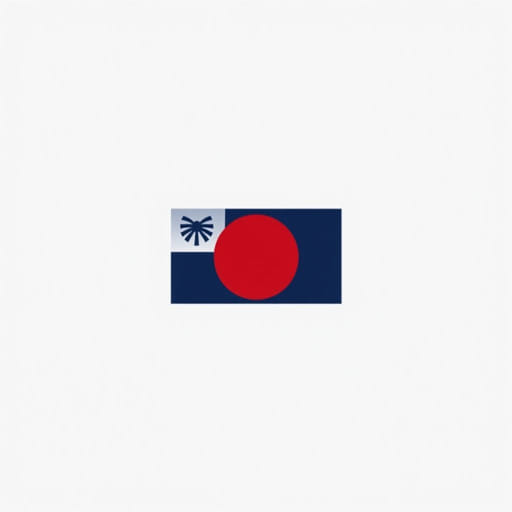
The Japanese occupation of Nauru during World War II was a relatively short yet highly impactful episode in the island’s history. Located in the central Pacific Ocean, Nauru was a small but strategically significant island known primarily for its rich phosphate resources. Before the war, Nauru was administered by Australia under a League of Nations mandate. However, Japan’s growing dominance in the Pacific and its militaristic expansion eventually reached Nauru in 1942. The occupation brought hardship, dislocation, and lasting consequences for the local population.
Strategic Importance of Nauru
Location and Phosphate Deposits
Nauru’s significance to colonial powers lay in its vast phosphate reserves, which were critical for producing fertilizers. These deposits attracted German, British, and later Australian interests in the early 20th century. By the 1930s, phosphate mining had become the backbone of Nauru’s economy, overseen by the British Phosphate Commission (BPC).
From a strategic perspective, Nauru’s central location in the Pacific made it a desirable military outpost for controlling sea and air routes. The Japanese Imperial Navy, aware of Nauru’s value, recognized its utility as both a resource hub and a forward operating base in their Pacific campaign.
Initial Attacks and Occupation
Bombings and Evacuation
In December 1940, before Japan officially entered the war, the German auxiliary cruiser Orion bombarded Nauru and destroyed phosphate loading facilities. Although the island had not yet come under Japanese control, the attack foreshadowed the vulnerability of the island and its importance in wartime logistics.
By early 1942, with Japan advancing rapidly through Southeast Asia and the Pacific, the Australian administrators and foreign workers were evacuated from Nauru. The local Nauruan population, however, remained on the island. On August 26, 1942, Japanese forces officially occupied Nauru without significant resistance.
Military Infrastructure
Once in control, the Japanese began fortifying the island. They built airstrips, coastal defenses, bunkers, and artillery emplacements. Their goal was to transform Nauru into a defensive stronghold that could repel Allied advances in the Central Pacific.
- An airfield was constructed to support Japanese military aircraft.
- Anti-aircraft batteries were installed along the coast.
- Naval guns were positioned to guard against amphibious assaults.
The military presence was maintained by Japanese troops and Korean laborers brought to the island. Life under occupation became increasingly difficult for the Nauruans, who were forced into labor and subjected to harsh treatment.
Impact on the Nauruan Population
Forced Labor and Scarcity
During the occupation, Nauruans were subjected to forced labor to support Japanese construction efforts. Food shortages became severe due to disrupted supply chains and the destruction of local infrastructure. Many locals were conscripted to assist in building airstrips, transporting materials, and maintaining Japanese installations.
Medical supplies were scarce, and diseases such as malaria, dysentery, and malnutrition became widespread. The occupying forces prioritized military needs over civilian well-being, leading to suffering and loss of life.
Mass Deportation to Chuuk
In one of the most traumatic episodes, the Japanese military deported over 1,200 Nauruans to Chuuk (then known as Truk) in the Caroline Islands in 1943. The reason was to reduce the number of people on Nauru as the risk of Allied attacks increased. This forced relocation separated families and removed the population from their homeland.
Conditions on Chuuk were even more dire, as food shortages, diseases, and poor sanitation affected the deported Nauruans. Many did not survive the ordeal. Those who did return after the war found their island home deeply scarred by war and occupation.
Allied Response and Bombing Raids
Allied Blockade and Bombing Campaign
As the war progressed, the Allies began a campaign of isolating and neutralizing Japanese-held islands. Although Nauru was never invaded directly by Allied forces, it was subject to frequent bombing raids and naval shelling. These attacks were aimed at destroying Japanese military infrastructure and airfields.
American and Australian aircraft carried out bombing missions, while Allied naval vessels shelled coastal defenses. By 1944, the airstrip was rendered inoperable, and Japanese forces on Nauru were effectively cut off from resupply or reinforcement. The blockade created further hardship for both the Japanese garrison and the remaining civilian population.
Surrender and Aftermath
Japanese Surrender on Nauru
With Japan’s defeat in August 1945, the garrison on Nauru surrendered to the Australian military in September of that year. Lieutenant Colonel Takena, the Japanese commander on the island, officially handed over control without further conflict.
The liberated island was in a state of devastation. Infrastructure was destroyed, phosphate mining had ceased, and much of the population had been deported. The Australian forces began relief efforts, including food distribution and repatriation of the deported Nauruans from Chuuk.
Postwar Recovery
Following the war, Nauru remained under Australian administration as a United Nations trust territory. Phosphate mining resumed under the BPC, and efforts were made to rebuild the economy and infrastructure. However, the scars of the Japanese occupation left a deep impact on the island’s collective memory.
- Families were reunited after years of separation.
- Survivors of the Chuuk deportation returned home with stories of suffering and resilience.
- The island’s physical landscape bore the remnants of wartime construction and destruction.
In 1968, Nauru achieved independence, but the legacy of wartime occupation remained a key chapter in its modern history.
Historical Significance and Legacy
Global Conflict on a Small Island
The Japanese occupation of Nauru serves as a reminder of how even remote, small islands can become deeply entangled in global conflicts. Nauru’s phosphate made it economically valuable, while its location gave it strategic military significance. The occupation disrupted a peaceful community and led to long-term consequences for generations of Nauruans.
Recognition and Remembrance
Today, the Japanese occupation is remembered through historical accounts, family stories, and surviving relics. Remains of bunkers, airstrips, and artillery can still be found on the island. These structures serve as silent witnesses to a turbulent period that shaped Nauru’s path through the 20th century.
The Japanese occupation of Nauru during World War II was a dark chapter marked by hardship, forced labor, deportation, and military fortification. Though often overshadowed by larger battles in the Pacific, Nauru’s experience highlights the human cost of global conflict on small island communities. Its strategic importance and phosphate resources made it a target, but its people endured through resilience and unity. As Nauru continues to move forward as an independent nation, the memory of its wartime trials remains an essential part of its national identity.